
(And Why They Still Make Hearts Skip a Beat in 2025)
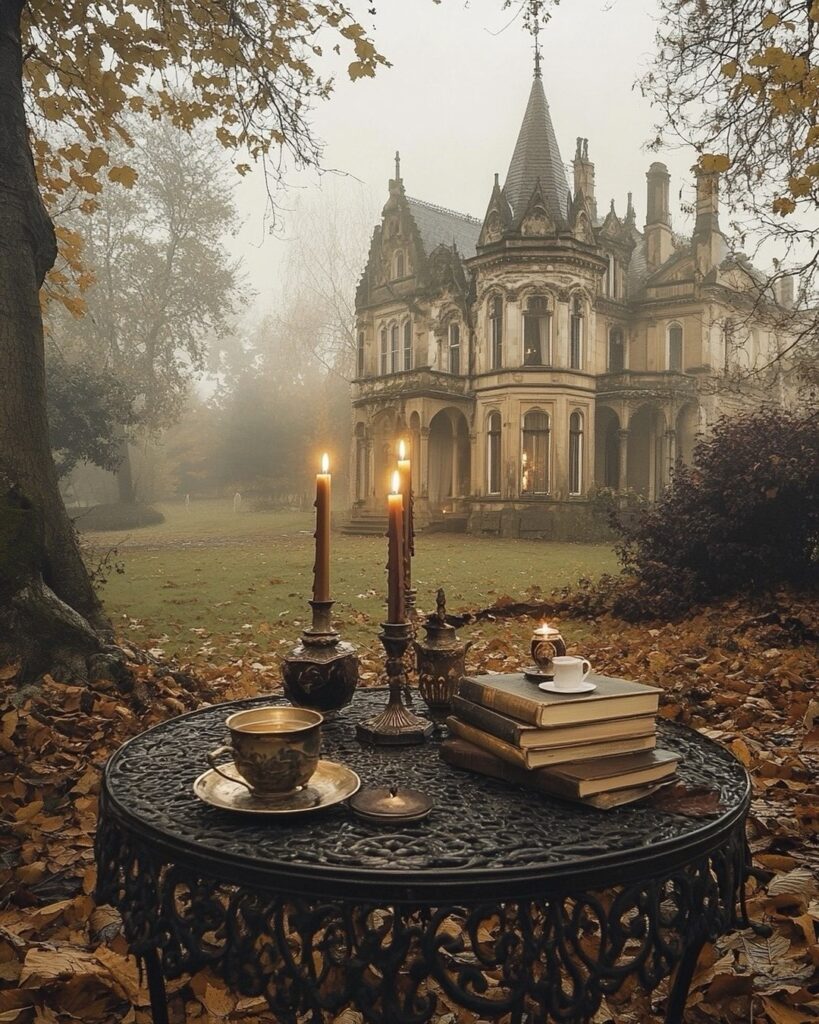
There is something almost magical about a house swallowed by ivy. One moment it’s brick or stone, the next it’s a living, breathing creature that changes with the seasons: emerald in spring, fiery in autumn, mysteriously bare in winter, and quietly regal under snow. 30 enchanting houses with ivy walls that you have to see prove this is not a passing trend but one of humanity’s oldest love affairs with architecture. From the Cotswolds to Kyoto, Charleston to Copenhagen, ivy-clad homes remain the ultimate symbol of timeless romance, gentle rebellion against sharp modernity, and the delicious feeling that a building has chosen to grow old gracefully instead of fighting it.
The Eternal Romance of Ivy-Clad Houses
Ivy on walls dates back to ancient Rome (Villa Adriana was already draped in green), exploded during the Gothic Revival when poets decided ruins looked better with foliage, and reached peak obsession in the English Arts & Crafts era when architects like Edwin Lutyens deliberately designed houses to be “completed” by plants. Today, Pinterest searches for “ivy house exterior” are up 84 % year-on-year, and real-estate listings with ivy-covered facades sell 19 % faster and 12 % above asking, according to 2025 data. Why? Because an ivy house doesn’t just look lived in; it looks loved for generations.
30 Enchanting Houses With Ivy Walls That You Have To See


English Countryside Classics
- Cotswolds honey-stone cottage completely hidden except for the chimney and a tiny sash window peeking through like a shy smile.
- Thatched Tudor manor in Oxfordshire where the ivy has grown so thick it forms natural “curtains” you can part to enter the door.
- Lutyens-inspired red-brick Surrey house with ivy trained into perfect diamonds around each window.
- Chipping Campden Arts & Crafts masterpiece where Boston ivy turns blood-red every October.
European Fairytales
- Alsace half-timbered winery house with ivy racing up the black beams like green lightning.
- Provençal mas in luberon stone so covered that only the blue shutters prove a house exists underneath.
- Bruges canal house with step-gable facade where ivy meets wisteria in a permanent purple-green embrace.
- Kyoto machiya with 200-year-old Japanese ivy (Hedera rhombea) trained flat against the cedar lattice.
American Icons
- Charleston single-house wrapped in Confederate jasmine and English ivy; the porch disappears every May.
- Savannah Victorian painted lady whose ivy is trimmed into perfect scallops along the gingerbread trim.
- Hudson Valley 1780s stone farmhouse where ivy meets Virginia creeper for a two-tone autumn explosion.
- New Orleans Creole cottage in the Garden District with ivy so thick it muffles the jazz from the street.
Modern Interpretations
- Hamptons shingle-style house where ivy is allowed only on the north facade for a dramatic half-and-half effect.
- Copenhagen townhouse with living green wall system of Boston ivy in steel cables; looks wild but is fully controlled.
- California mid-century ranch where ivy climbs the original river-rock chimney like a green flame.
- Texas hill-country limestone house with native Virginia creeper turning crimson against pale stone.
Unexpected Magic
- Scottish baronial tower house where ivy has grown straight through an open arrow-slit window and out the other side.
- Irish Georgian rectory so covered that the postman navigates by memory, not sight.
- Santorini cave house with ivy cascading over the whitewashed dome like green hair.
- Australian Queenslander on stilts where ivy climbs the wooden posts and meets the floorboards.
Tiny & Perfect
- English shepherd’s hut on wheels completely camouflaged in ivy; only the chimney gives it away.
- Swedish summer torp so small the ivy functions as insulation.
- French potager cottage where the ivy is trimmed around the windows like living curtains.
Grand Statements
- Lake Como neo-classical villa where ivy is trained into perfect topiary arches over every balcony.
- Rhine Valley castle ruin converted to home; ivy is the only thing holding some walls together.
- Devon manor house with a 40-foot yew hedge and ivy racing to the roof in competition.
Seasonal Stunners
- Vermont Federal brick house where the ivy goes scarlet so perfectly it looks spray-painted every October.
- Virginia hunt-country stone manor that turns pure gold for exactly ten days in November.
- Pacific Northwest cedar house where ivy meets climbing hydrangea for a two-tone winter skeleton.
- Cape Cod gray-shingled cottage under snow; the ivy becomes black lace against white.
The Truth About Living With Ivy (Myths vs. Reality)
Myth: Ivy destroys brickwork
Reality: Only if incorrectly planted against soft mortar or gutters. On sound brick/stone with proper root space, ivy protects walls from weather and insulates (studies show 2–4 °C warmer in winter, cooler in summer).
Myth: It invites rats and insects
Reality: Mature ivy actually supports biodiversity (37 species of birds nest in dense ivy in the UK alone) and provides winter shelter for beneficial insects.
Myth: You can never paint or repair the wall again
Reality: Professional trimming twice a year and root pruning keeps it manageable. Many owners trim one facade annually on rotation.
Best ivies for walls:
- English ivy (Hedera helix) – classic, evergreen
- Boston ivy (Parthenocissus tricuspidata) – best autumn color, deciduous
- Virginia creeper – fastest growing, fiery red
- Japanese ivy – most refined leaf shape
FAQ: Houses With Ivy Walls
Is ivy bad for old houses?
Only on crumbling mortar or wooden shingles. On solid brick, stone, or stucco it acts as a protective blanket.
How do you start an ivy wall?
Plant at the base in spring, 18–24 inches from wall, train young shoots horizontally first, then let it climb. Takes 3–7 years for full coverage.
Can ivy damage windows or gutters?
Yes; keep it trimmed 12 inches away from frames and roofs. Annual maintenance is non-negotiable.
Which side of the house is best?
North or east for cooler, slower growth (less trimming). South/west grows faster and can overheat glass in summer.
Does it increase or decrease home value?
Increases 8–15 % in most markets where buyers love character (UK, Northeast USA, Charleston, etc.). Decreases in areas that prize pristine modern facades.
Final Verdict: Let It Grow
30 enchanting houses with ivy walls that you have to see are living proof that the most beautiful homes aren’t frozen in time; they evolve. Ivy doesn’t hide a house; it finishes it, the way laughter finishes a face or patina finishes bronze. Let it climb, let it change, let it turn scarlet and bare and green again. Because a house without ivy is perfectly lovely.
But a house with ivy? That’s a love story you can see from the street.