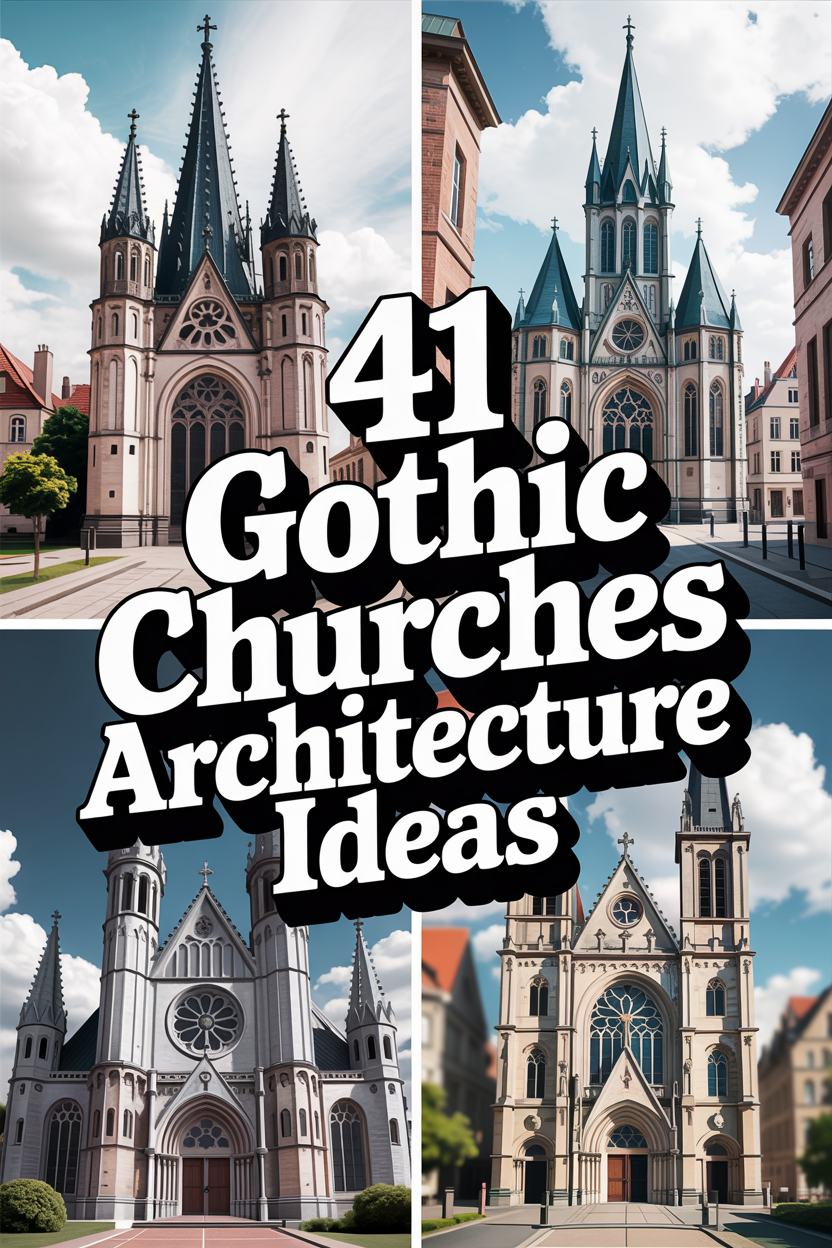
Gothic architecture stands as one of the most captivating chapters in the history of building design, evoking images of towering spires piercing the sky, intricate stone carvings that tell stories of faith and folklore, and vast interiors bathed in colorful light from stained glass windows. Emerging in the 12th century in France and flourishing across Europe until the 16th century, Gothic style represented a revolutionary shift from the heavy, dark Romanesque buildings that preceded it. Architects sought to reach toward the heavens, symbolizing spiritual aspiration, while innovative techniques like pointed arches, ribbed vaults, and flying buttresses allowed for taller, lighter structures. 41 gothic churches architecture ideas draw from this rich legacy, offering inspiration for modern interpretations, restorations, or new builds that capture the essence of Gothic grandeur. These ideas blend historical elements with contemporary adaptations, ensuring the timeless appeal of Gothic churches continues to inspire awe and wonder in the 21st century.
The Essence of Gothic Church Architecture
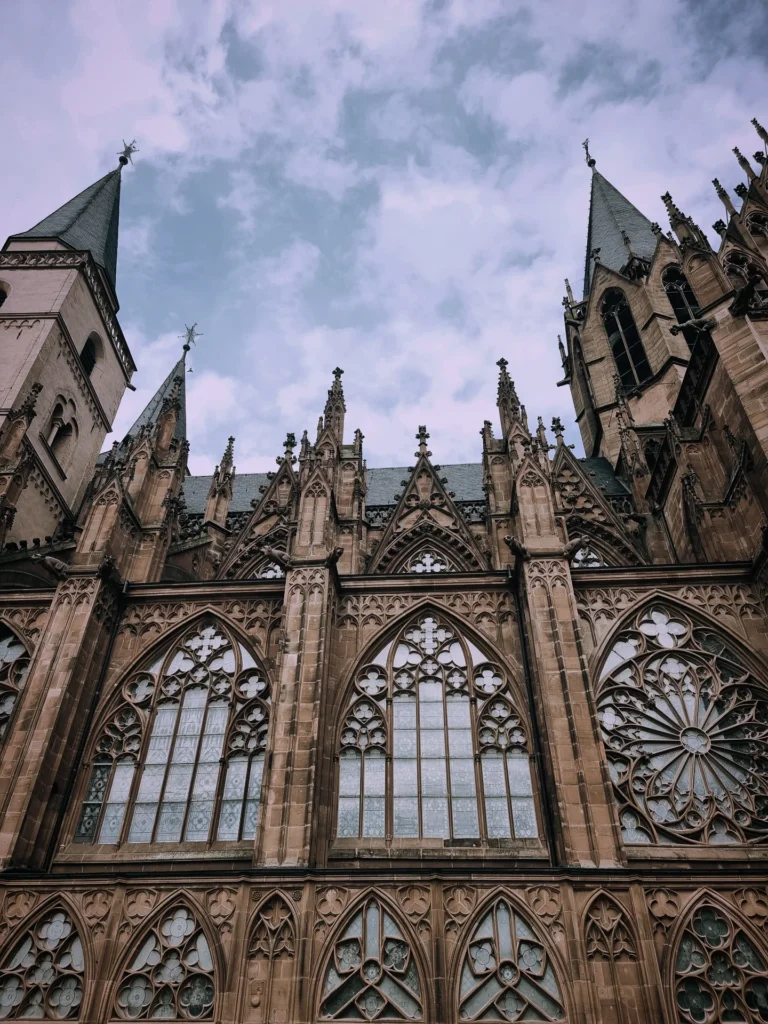
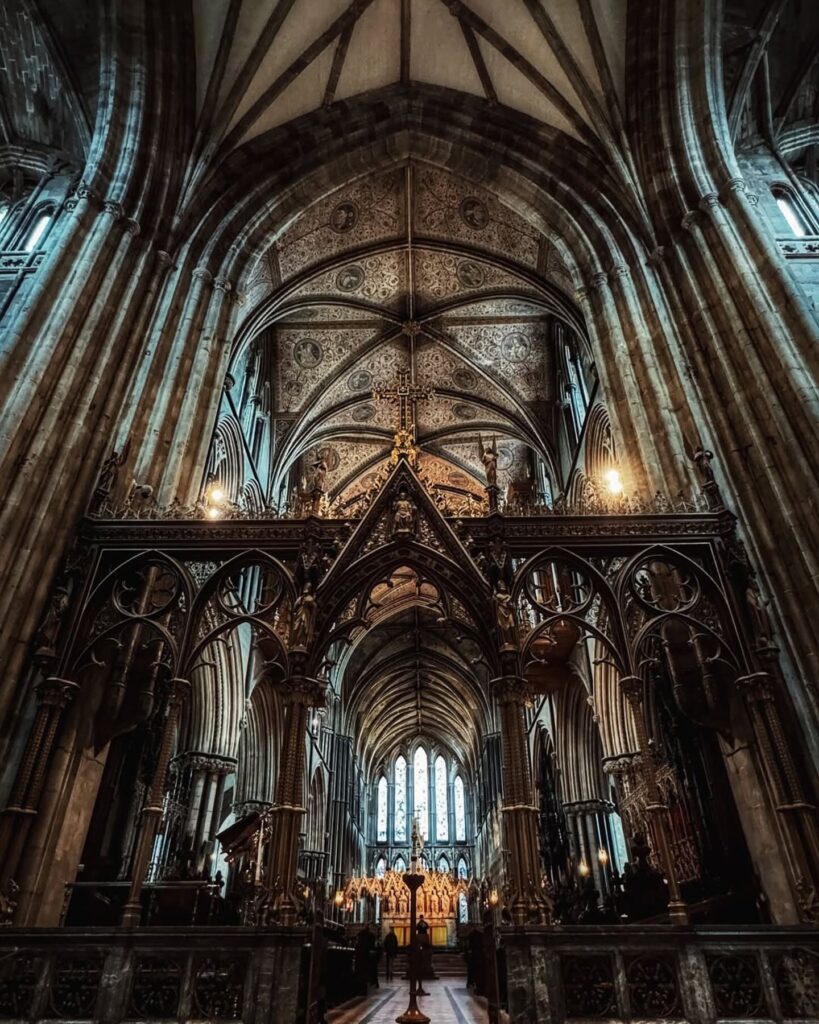
Gothic architecture originated in the Île-de-France region around Paris, with the Basilica of Saint-Denis often credited as the first fully Gothic structure, completed in 1144 under Abbot Suger. The style quickly spread, influencing cathedrals like Notre-Dame in Paris, Chartres Cathedral, and England’s Canterbury Cathedral. Key characteristics include verticality to draw the eye upward, symbolizing a connection to the divine; large windows filled with stained glass to flood interiors with symbolic light; and ornate decorations depicting biblical scenes, saints, and mythical creatures. Structurally, the pointed arch distributed weight more efficiently than rounded Romanesque arches, while flying buttresses supported walls from the outside, allowing for thinner construction and larger openings. Ribbed vaults crisscrossed ceilings, adding both strength and aesthetic complexity. Materials typically included stone like limestone or sandstone for durability and carvability, with leaded roofs and copper accents for weather resistance. In modern times, Gothic revival movements in the 19th century, led by architects like Augustus Pugin and Viollet-le-Duc, revived the style for buildings like the Houses of Parliament in London. Today, Gothic ideas influence everything from neo-Gothic churches to contemporary designs that incorporate sustainable elements like solar-integrated stained glass or lightweight composite buttresses.
The beauty of Gothic architecture lies in its ability to blend engineering ingenuity with artistic expression. Churches were not just places of worship but community centers, educational tools (through carved narratives), and symbols of civic pride. Funding often came from wealthy patrons or guilds, leading to competitive ornamentation. For contemporary applications, Gothic ideas can be scaled for small chapels or adapted for secular buildings like libraries or homes, emphasizing height, light, and detail to create spaces that feel transcendent.
41 Gothic Churches Architecture Ideas
Here are 41 ideas inspired by Gothic masterpieces, adaptable for new builds or restorations:
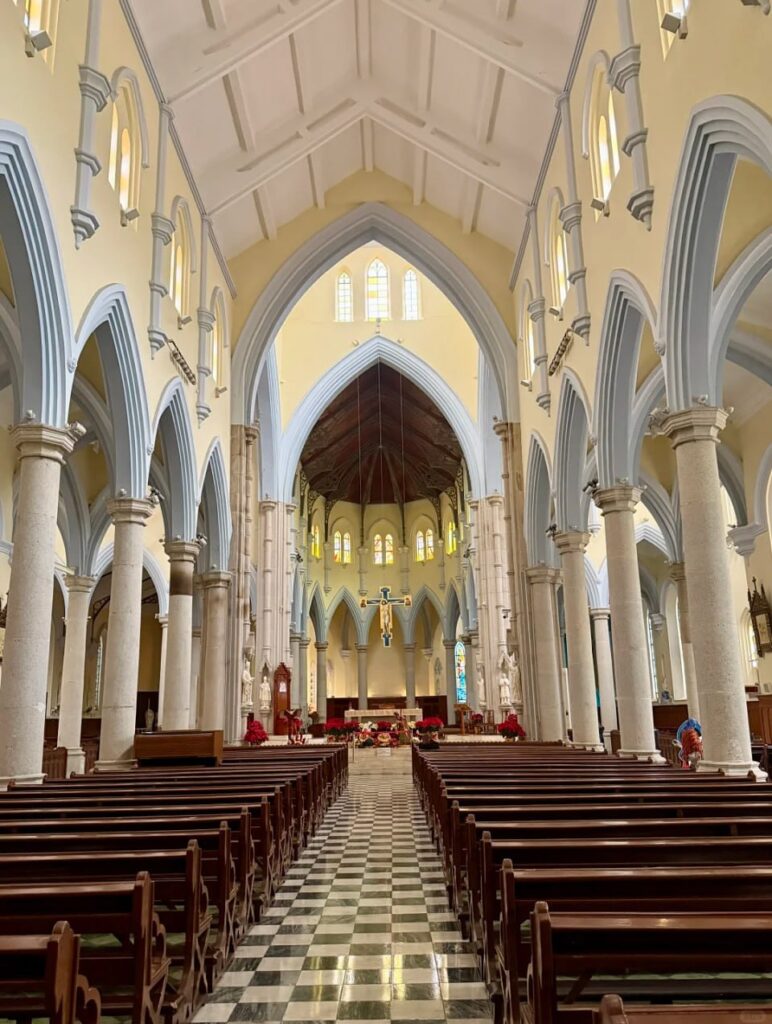
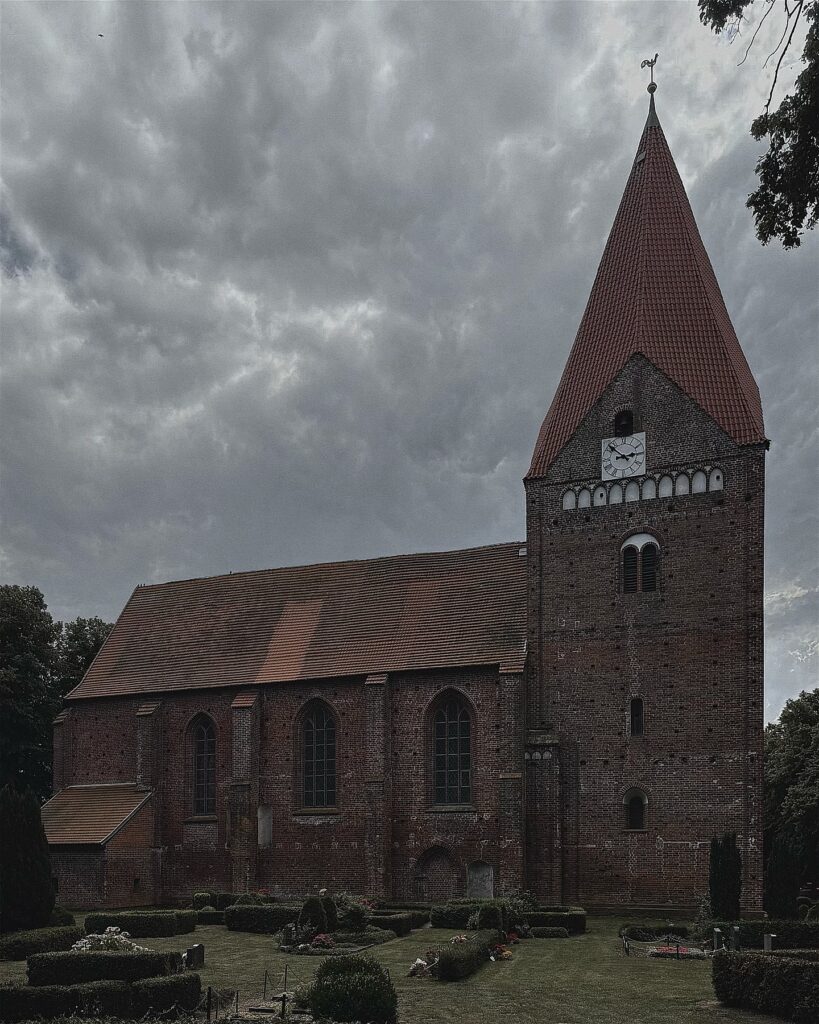
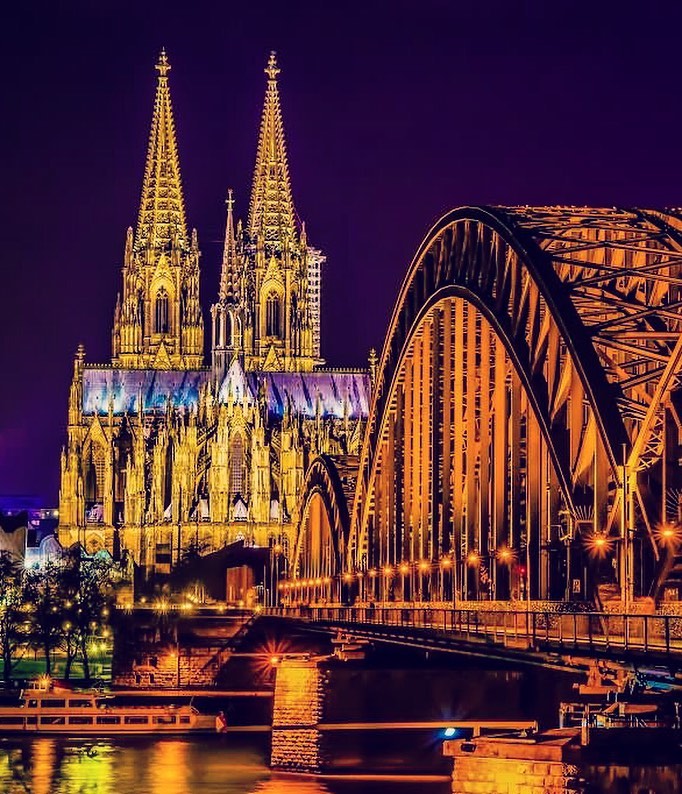
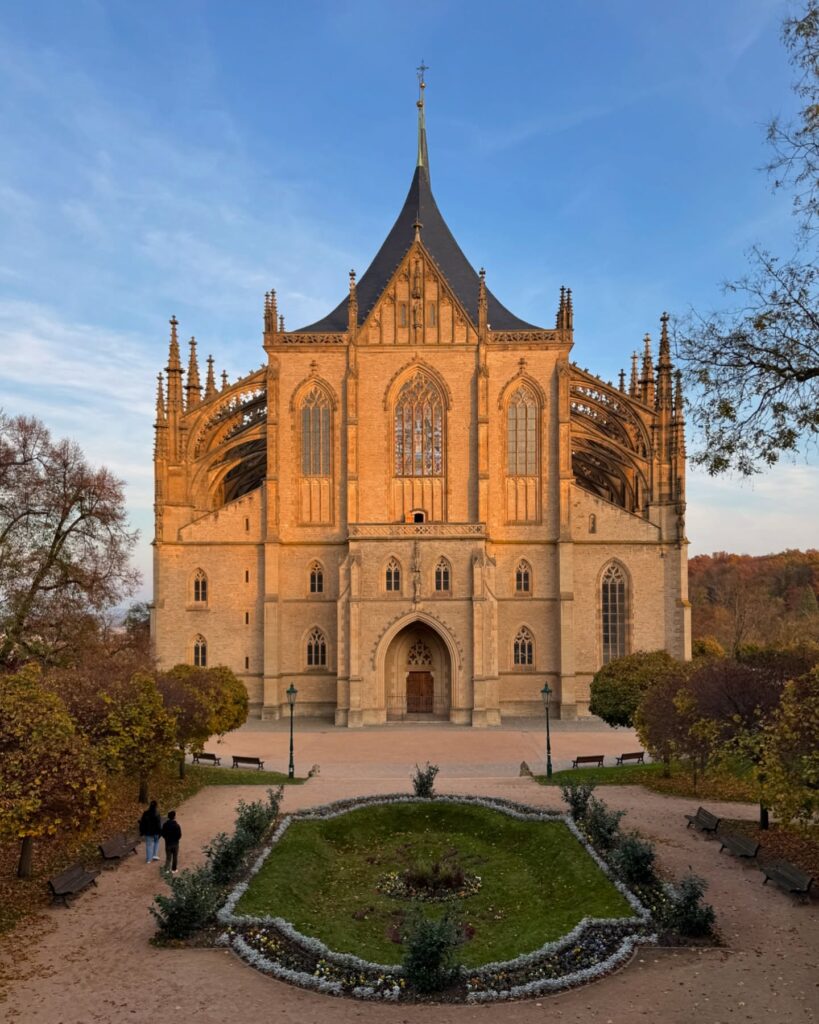
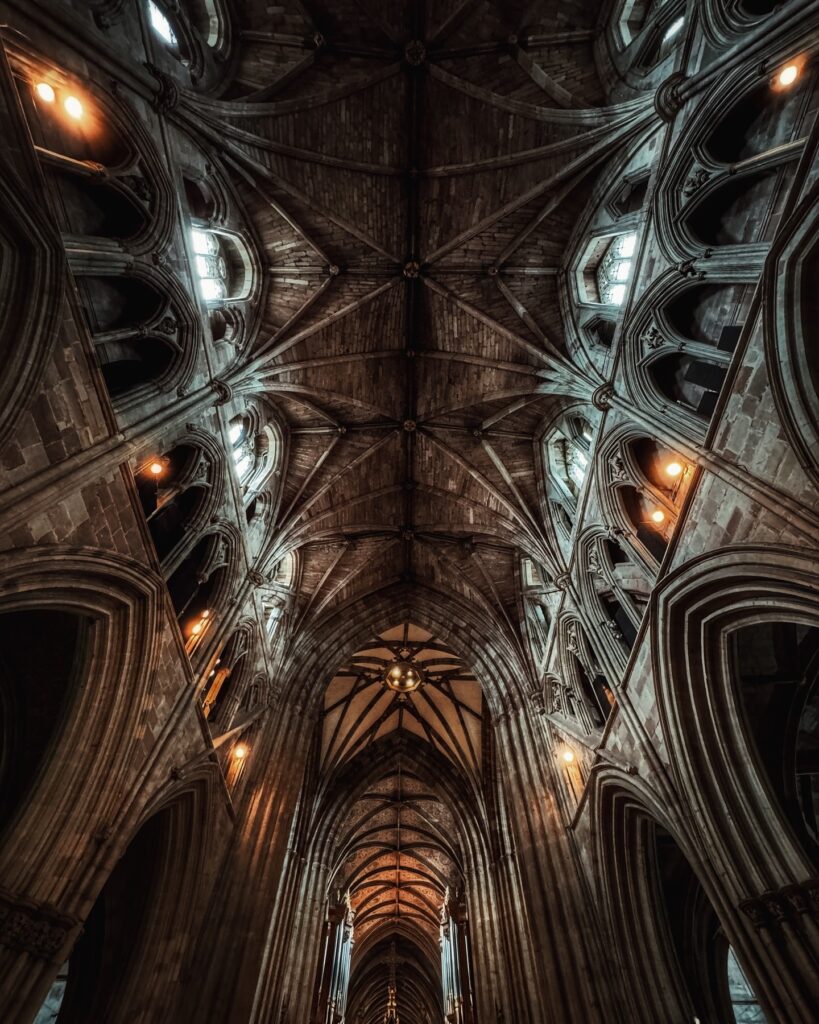
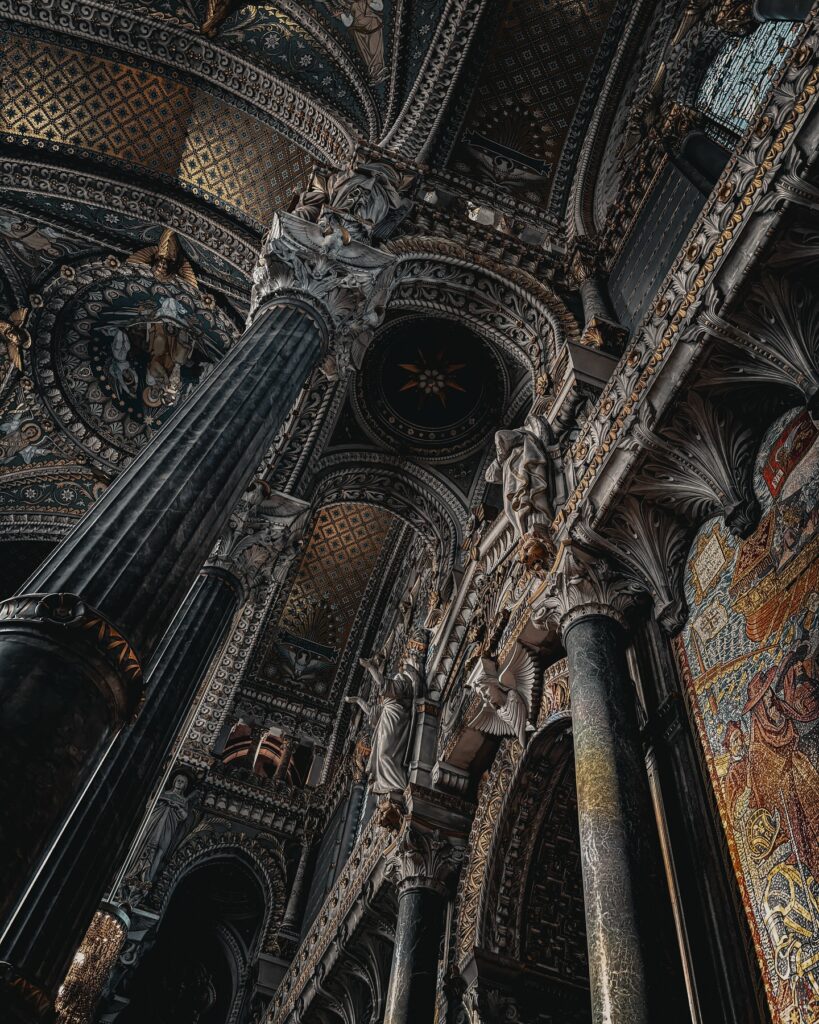
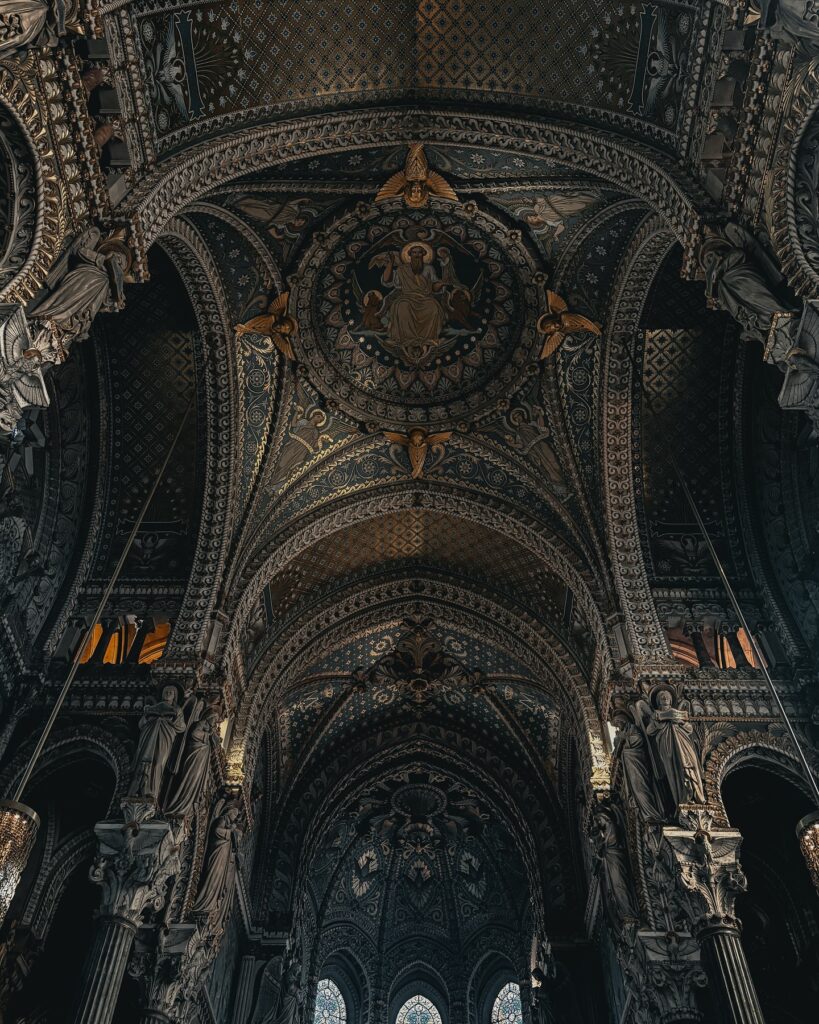
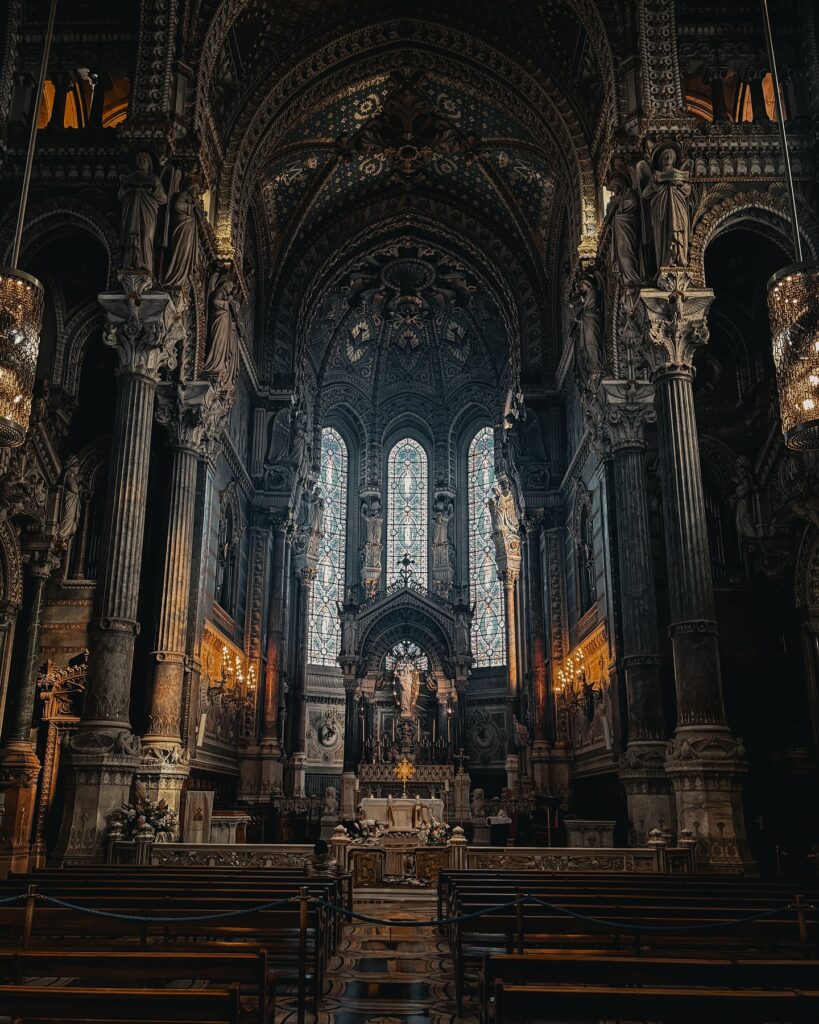
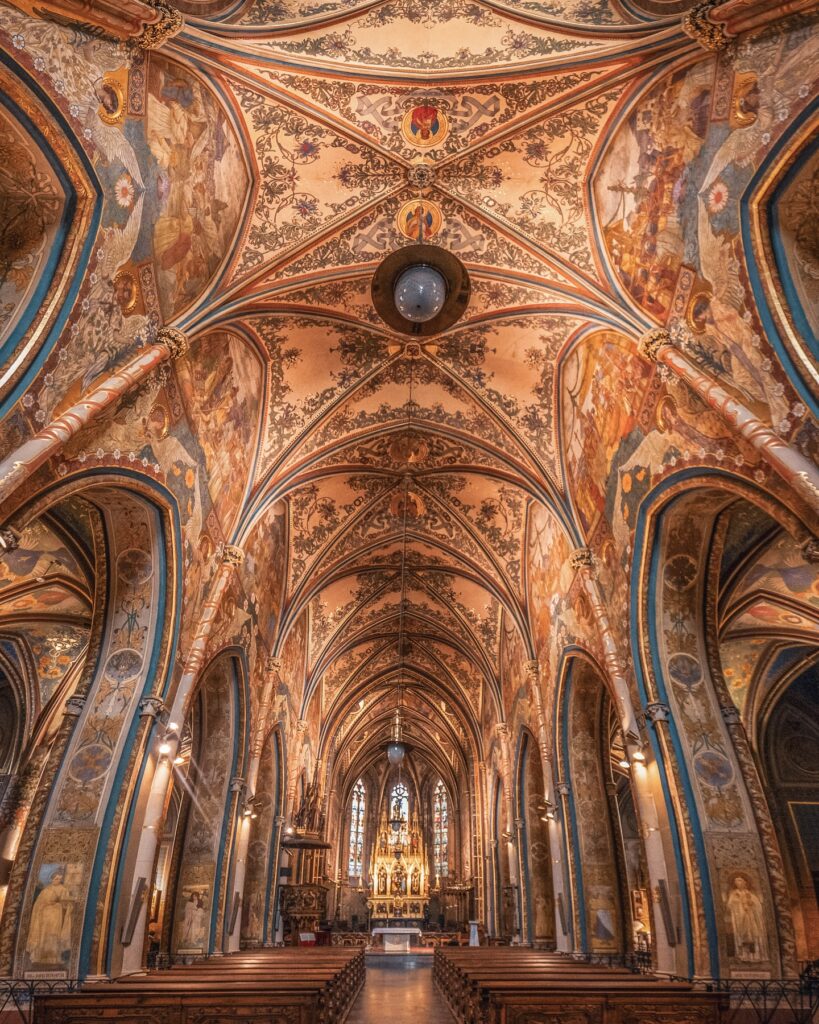
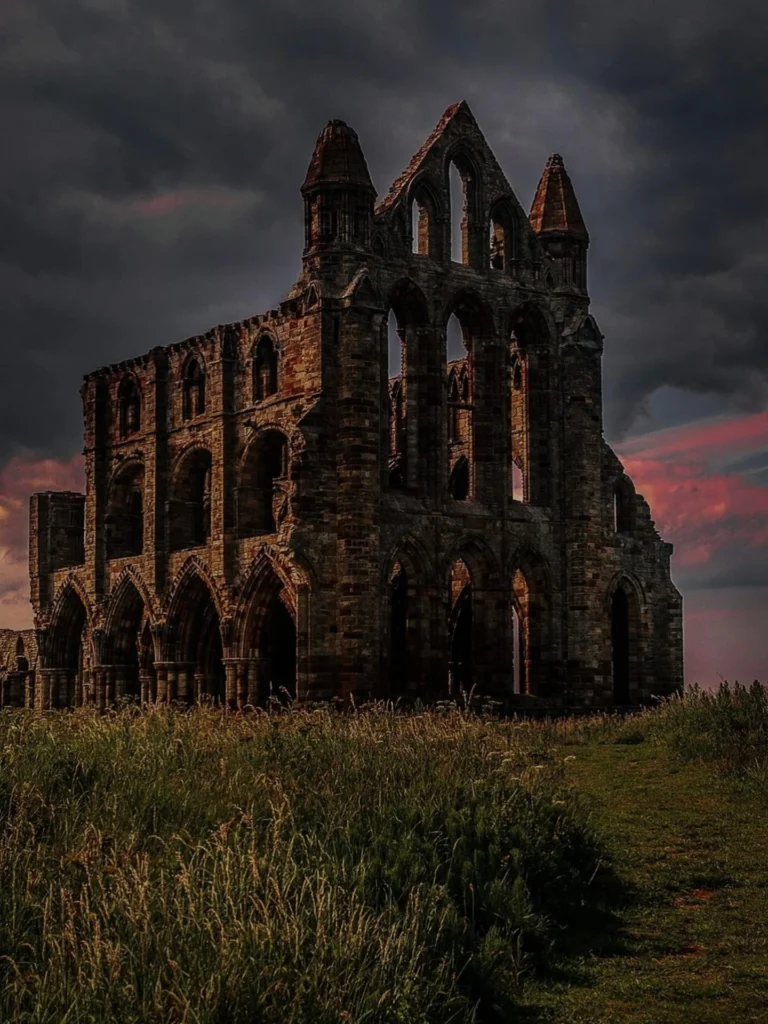
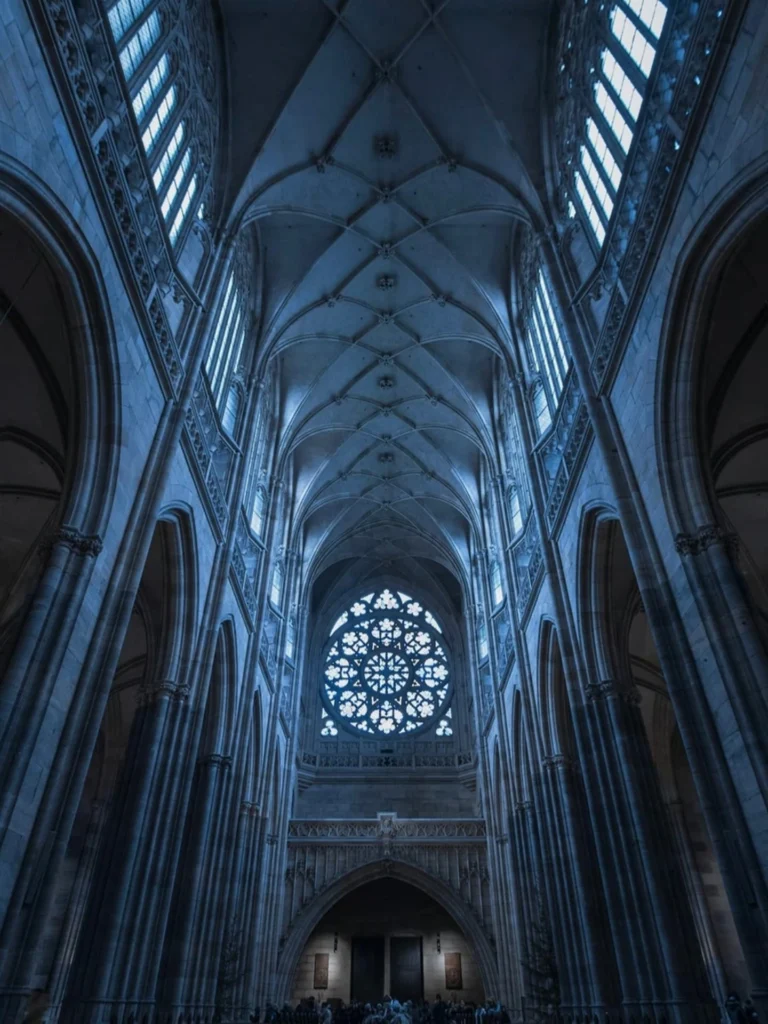
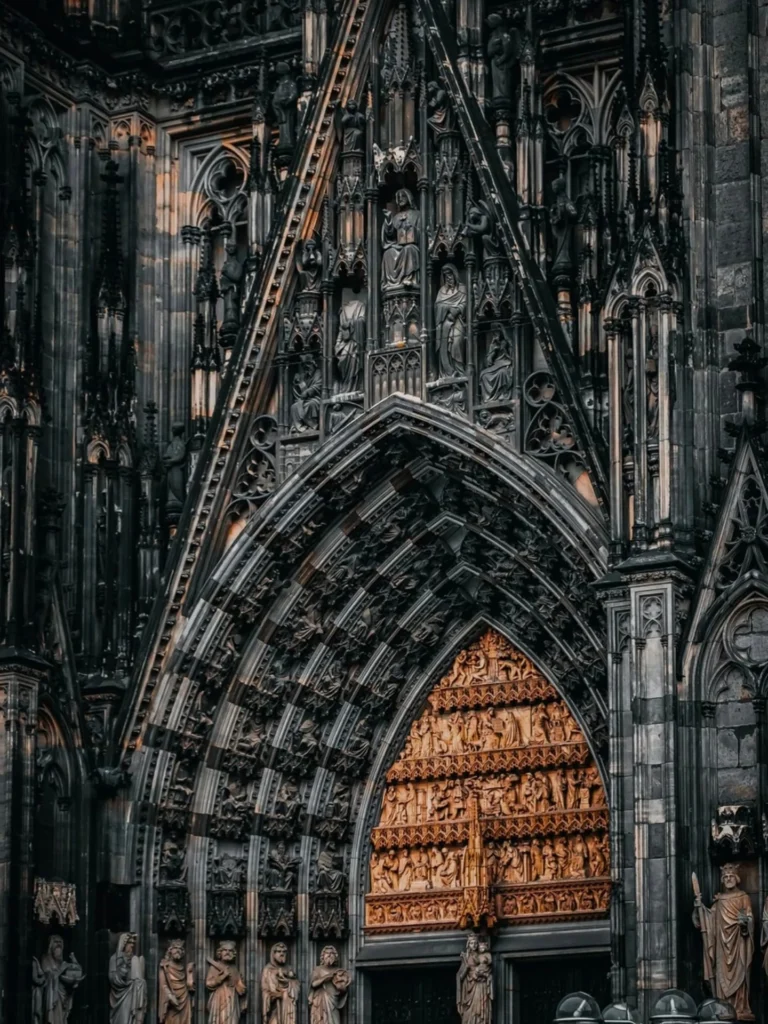
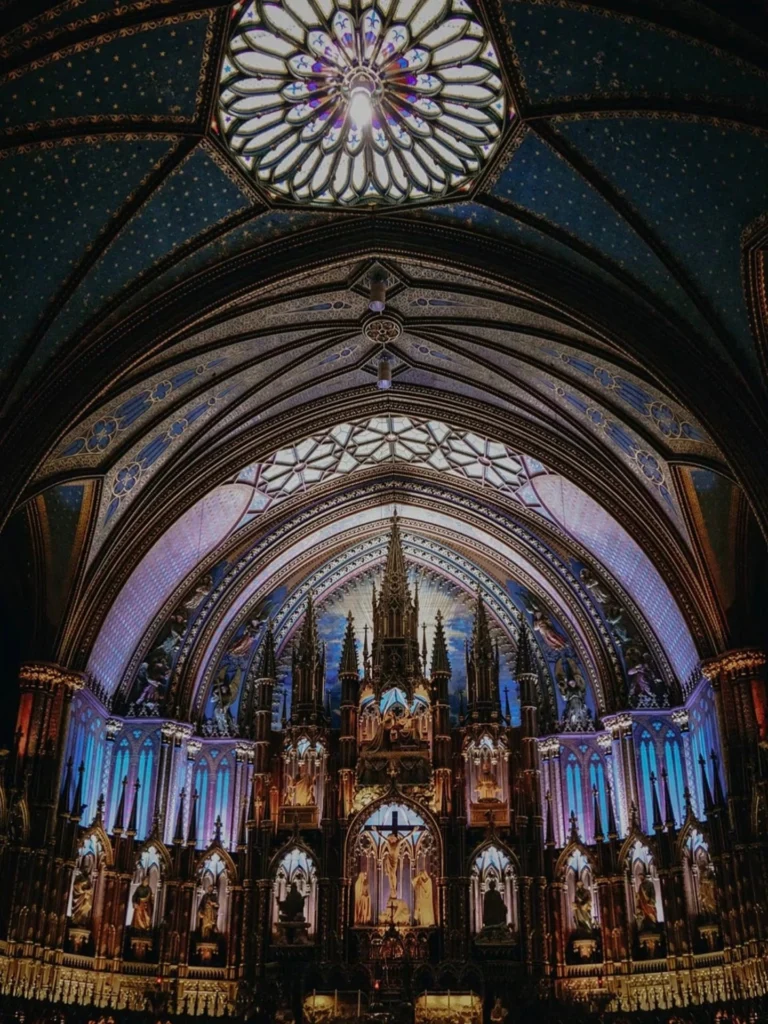
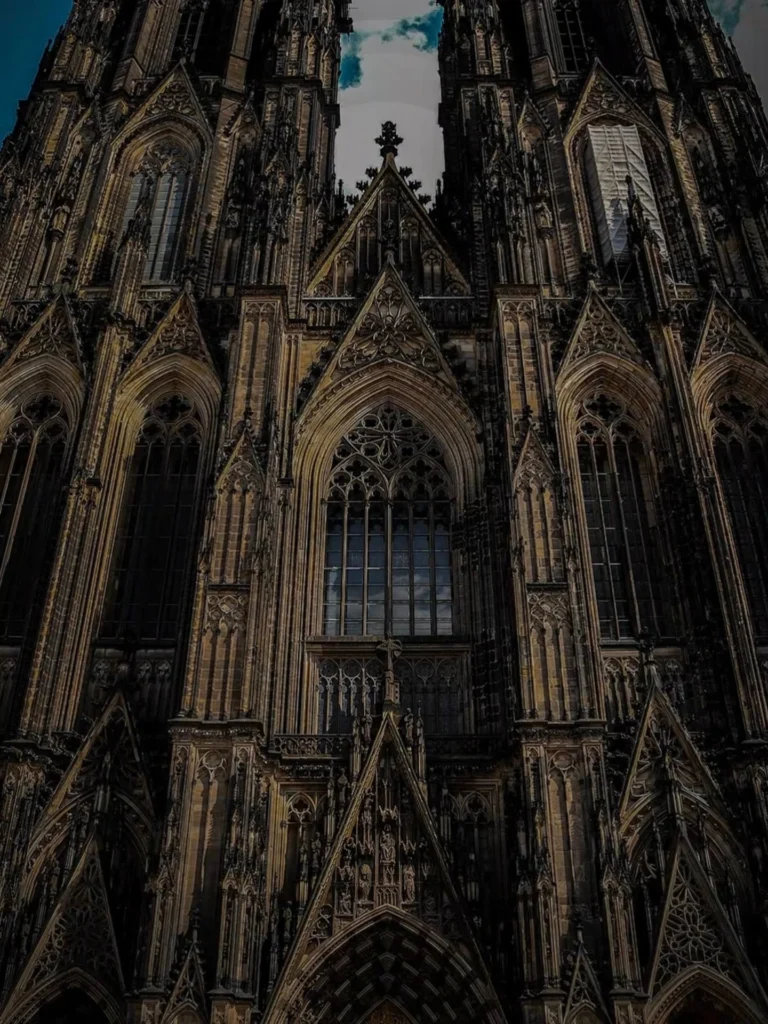
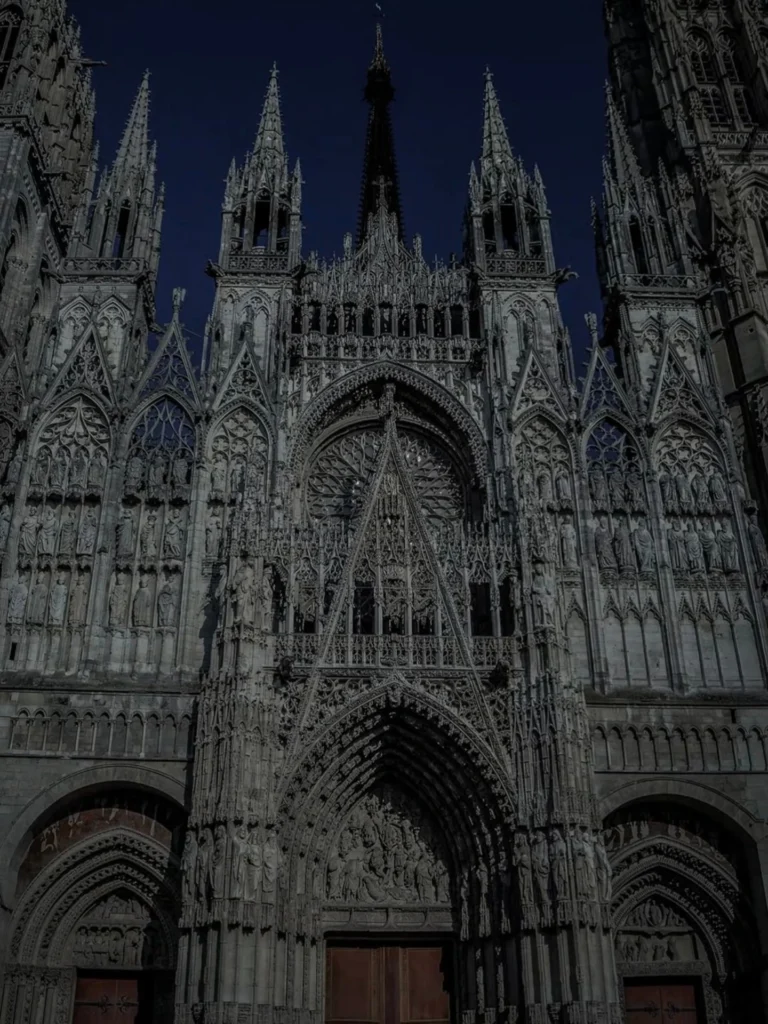
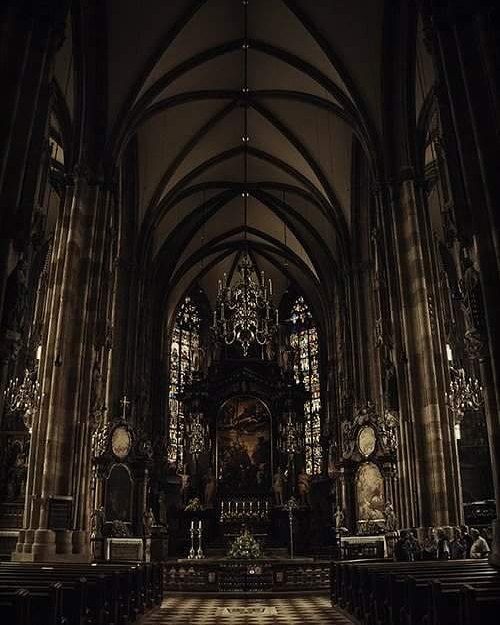
Structural Innovations: Building the Gothic Framework
Pointed Arches and Ribbed Vaults
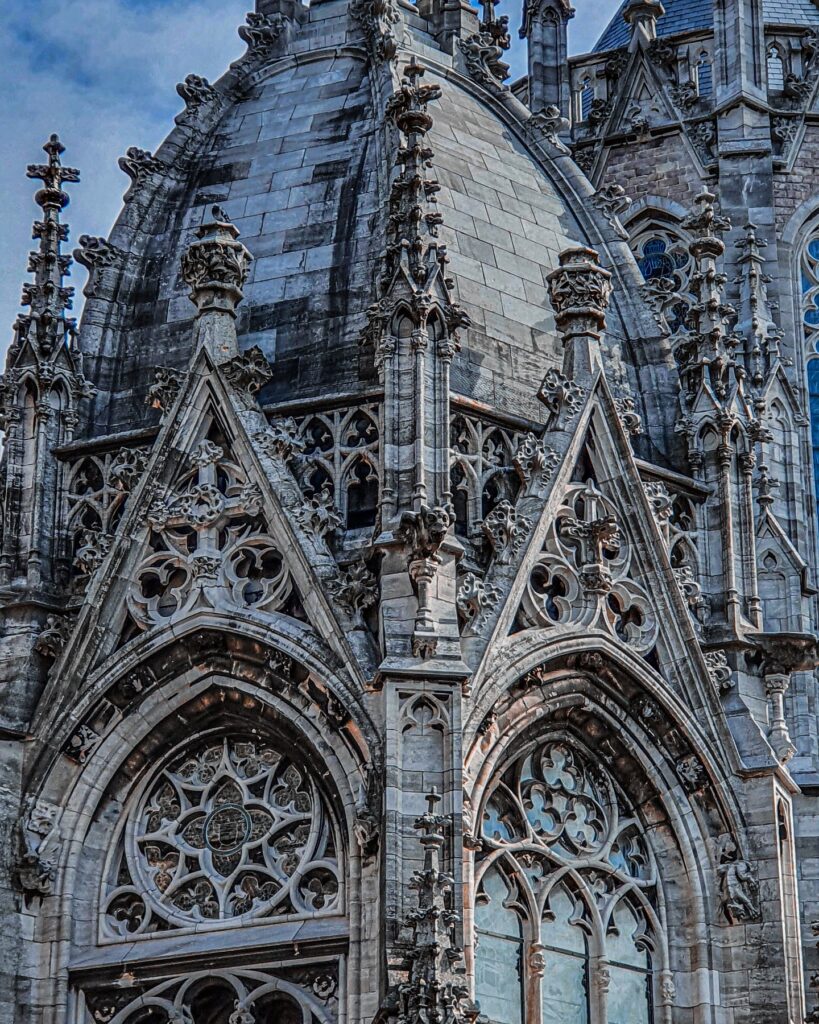
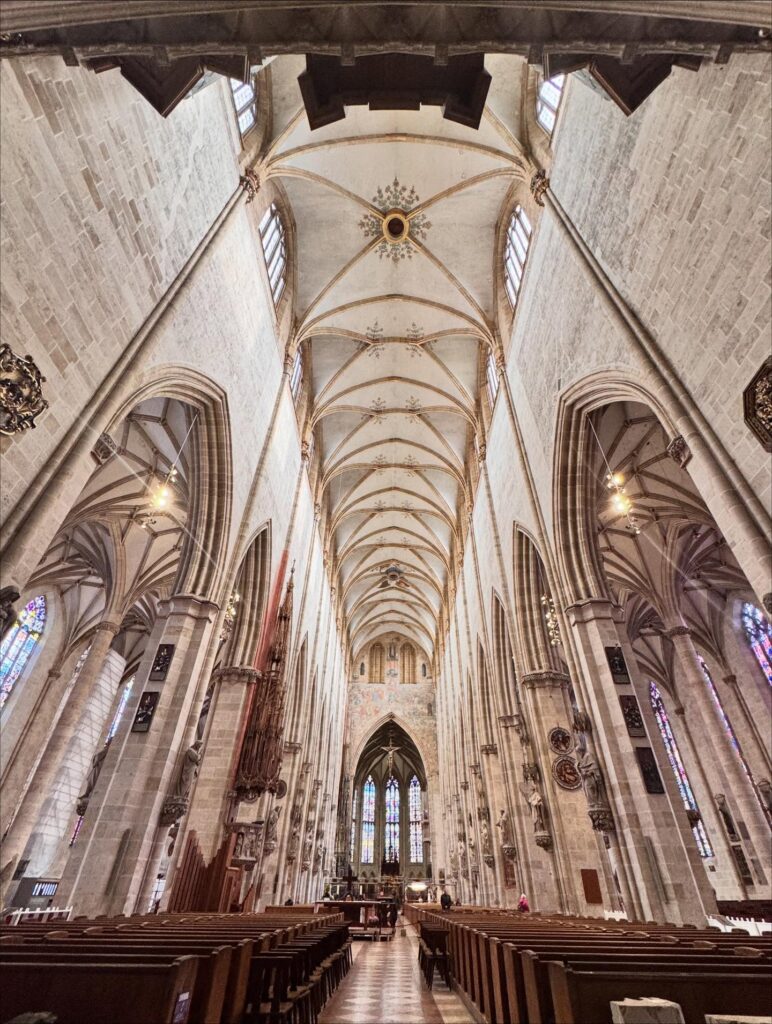
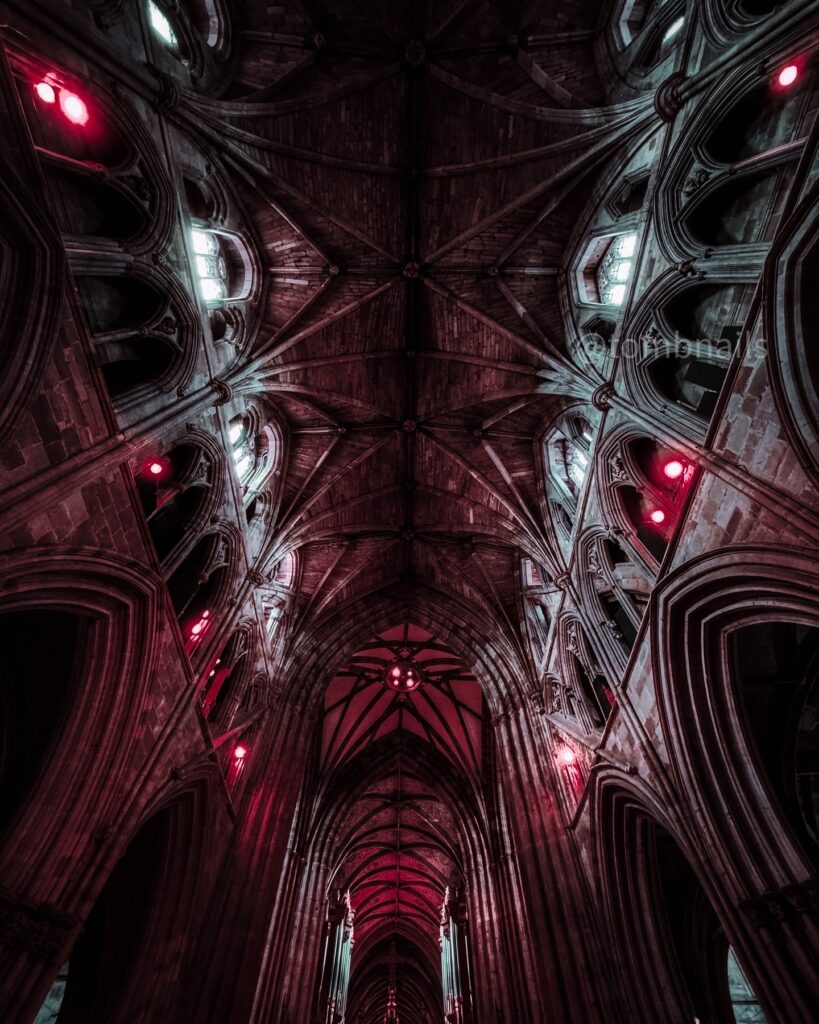
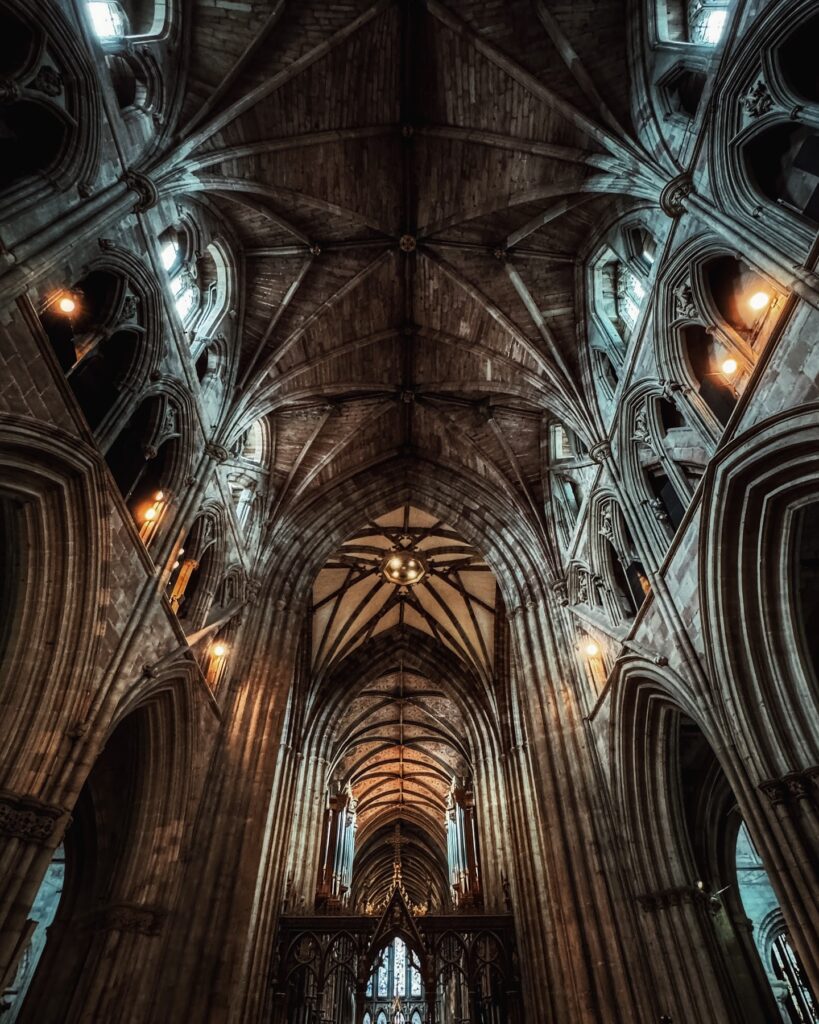
Pointed arches are the cornerstone of Gothic design, allowing for taller, more stable openings. Combine them with ribbed vaults—diagonal ribs that channel weight to specific points—for ceilings that soar without heavy supports.
Flying Buttresses for Graceful Support
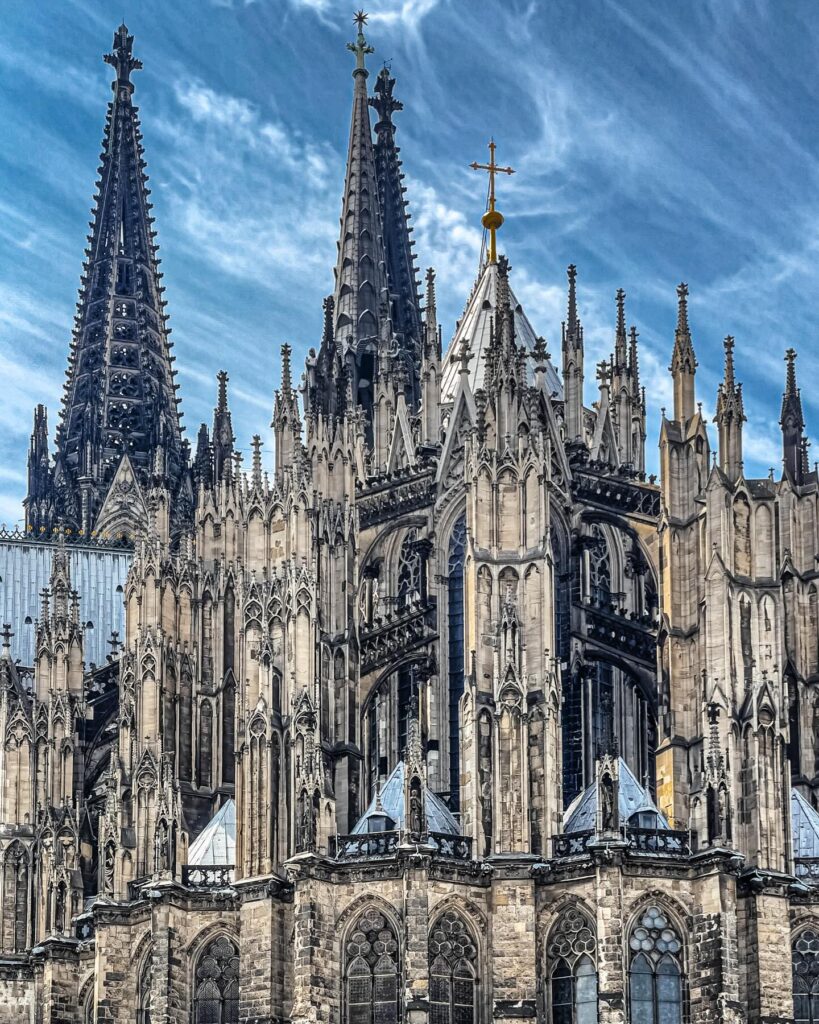
External flying buttresses transfer wall weight outward, enabling thinner walls and larger windows. Modern twists use steel-reinforced versions for earthquake-prone areas.
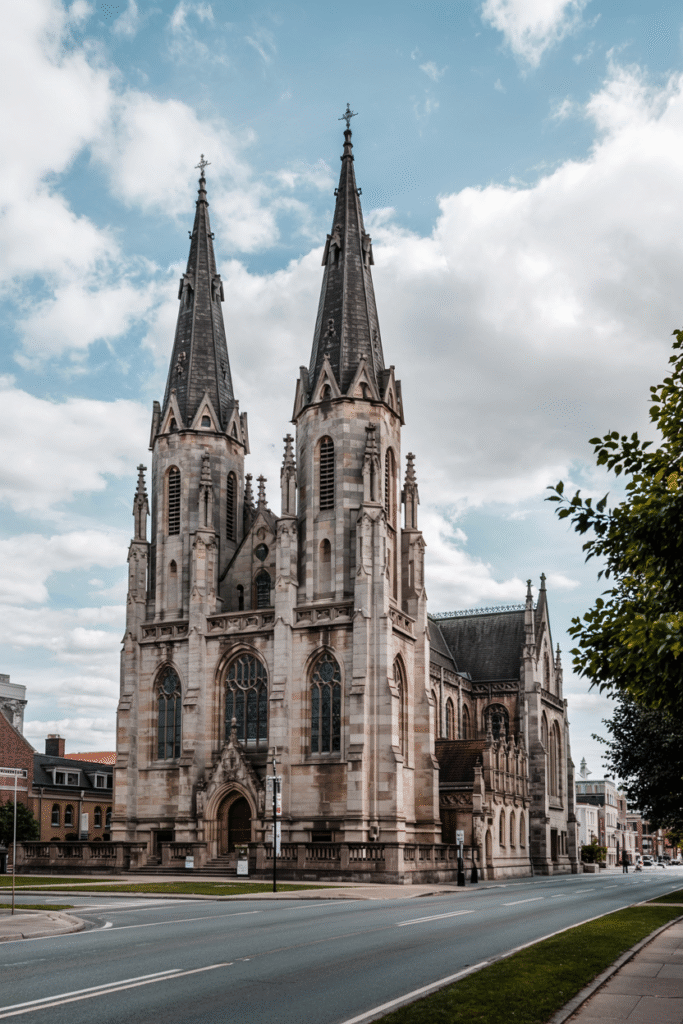
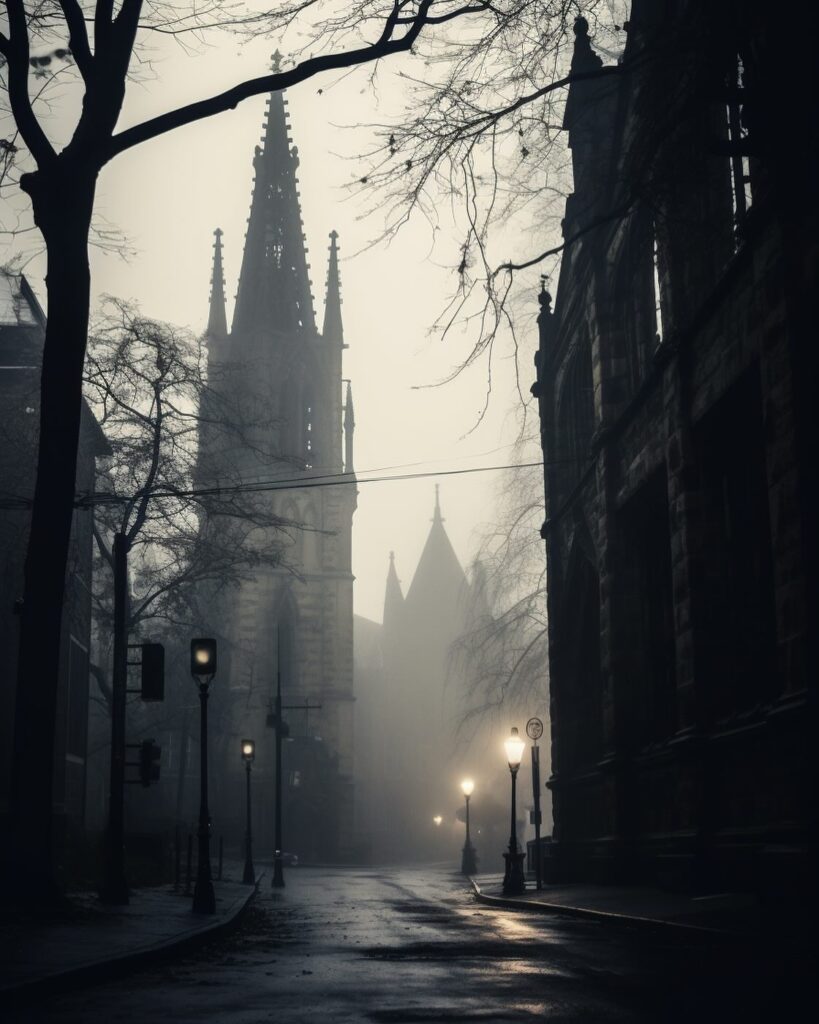
Spires and Towers for Vertical Drama
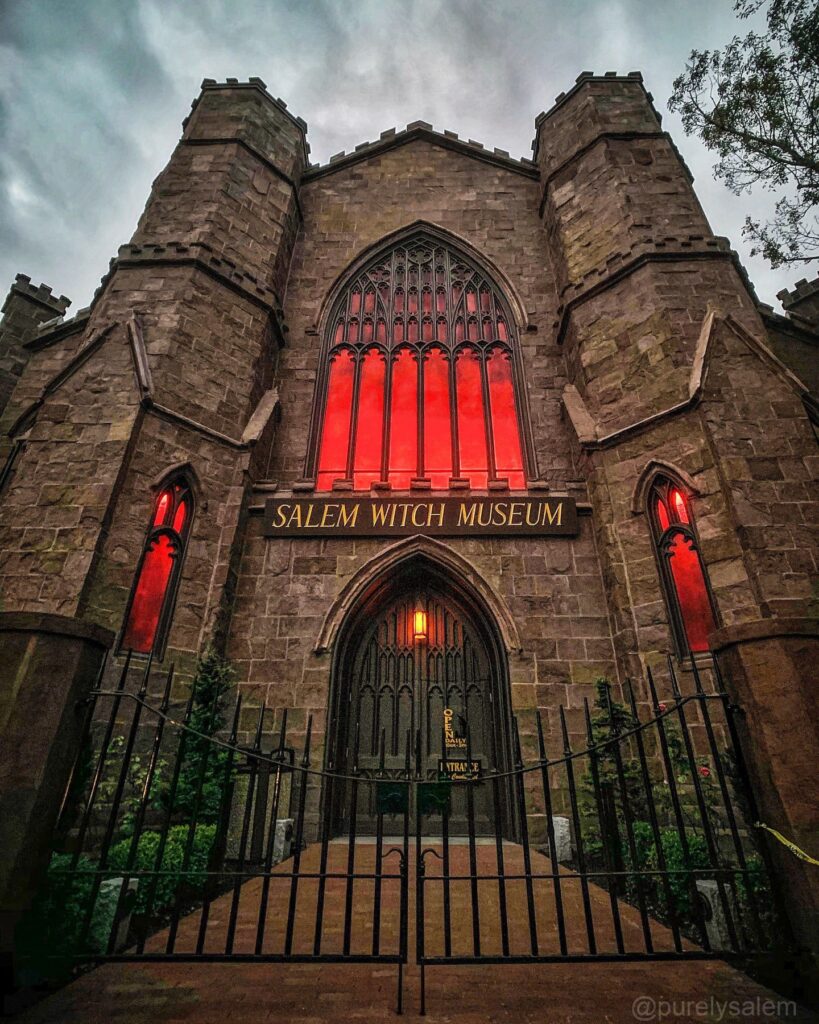
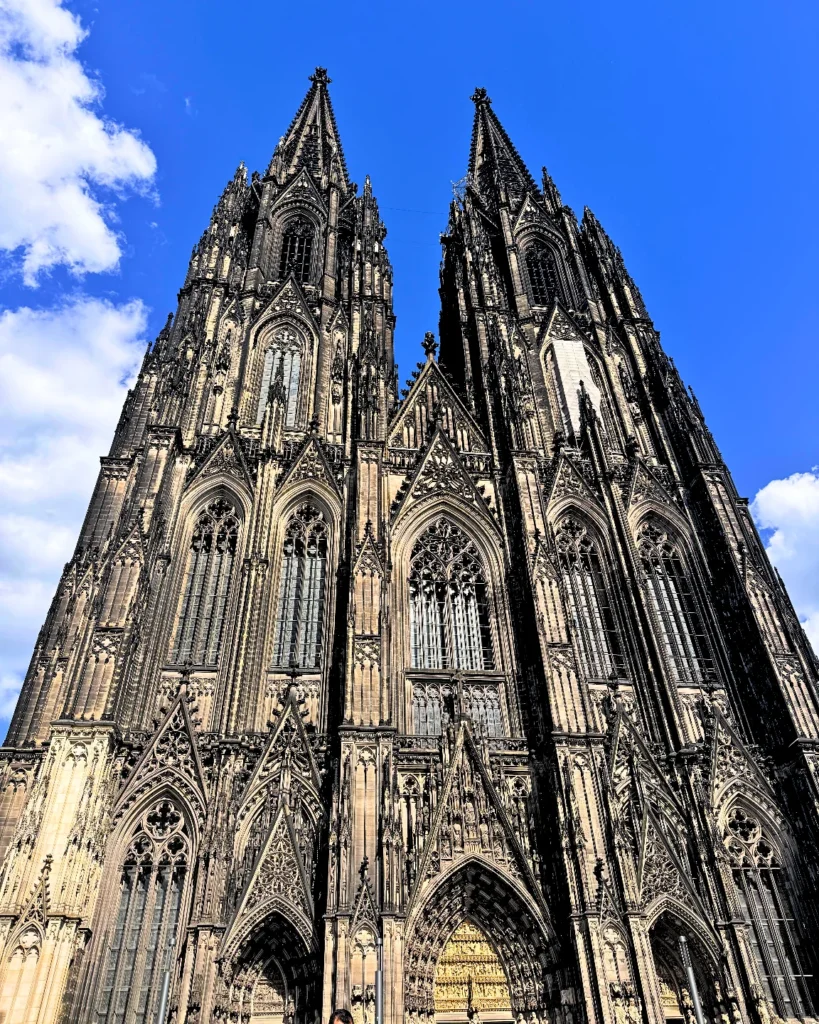
Crown your church with a piercing spire, symbolizing aspiration. Twin towers at the facade add symmetry and presence, often housing bells for community calls.
Facade and Entrance Ideas: Welcoming the Faithful
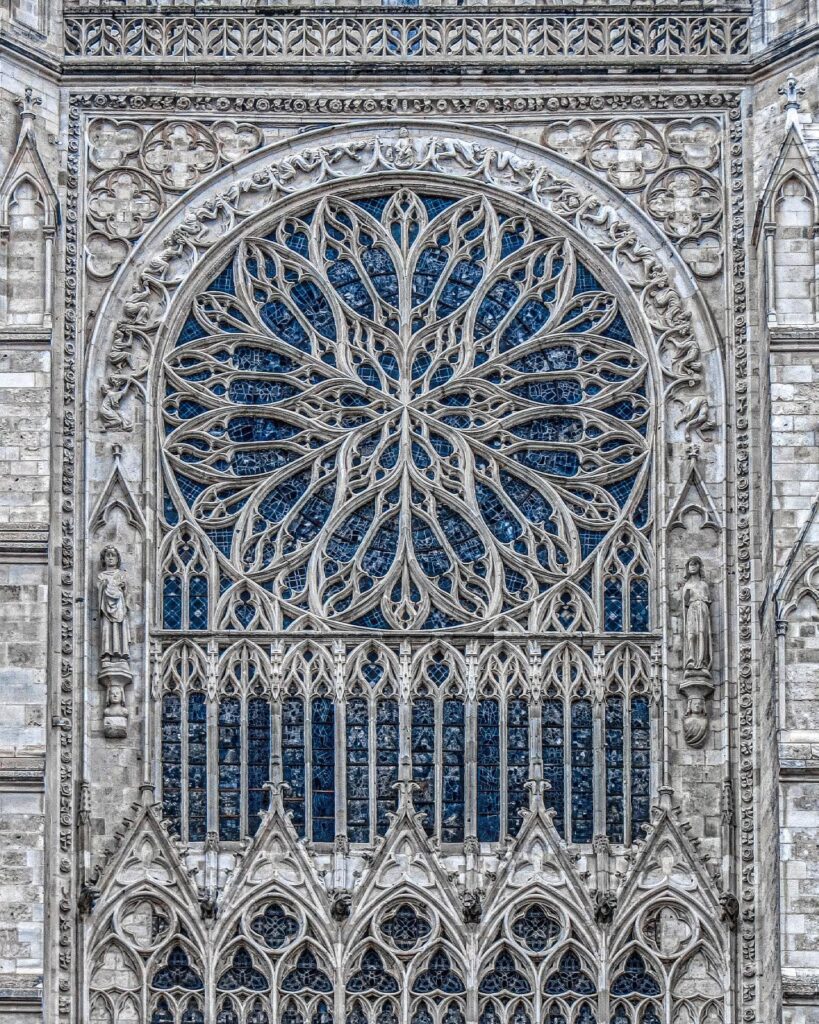
Rose Windows as Stained Glass Masterpieces
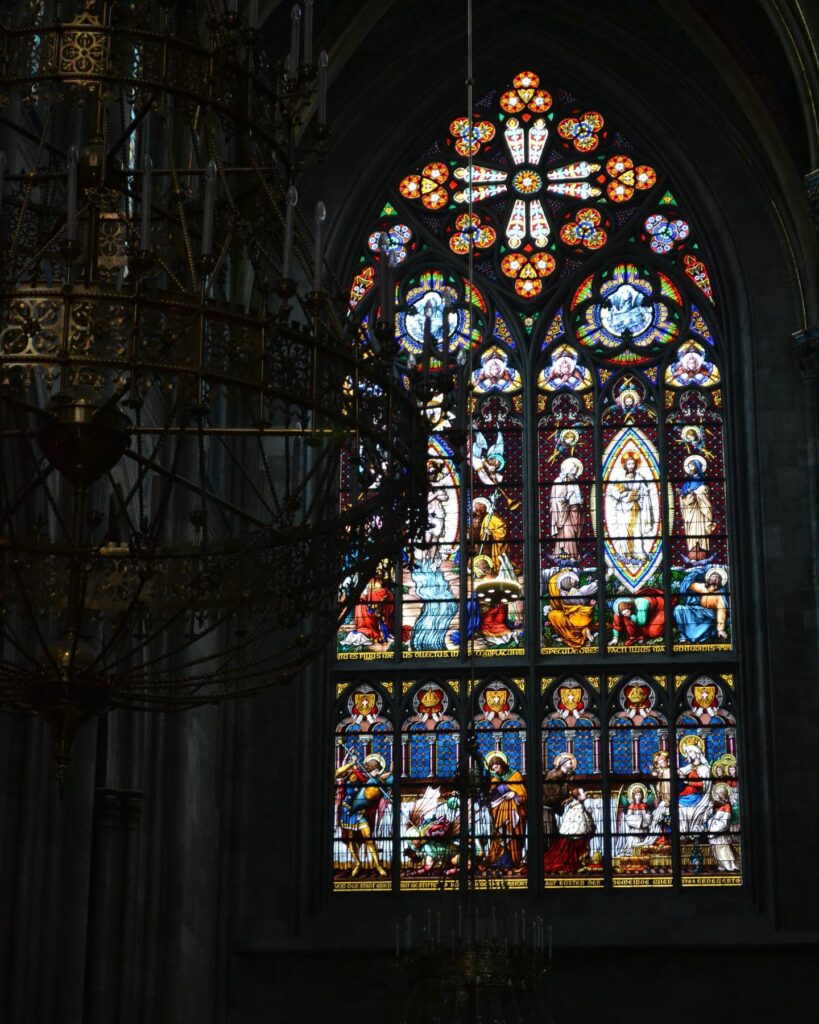
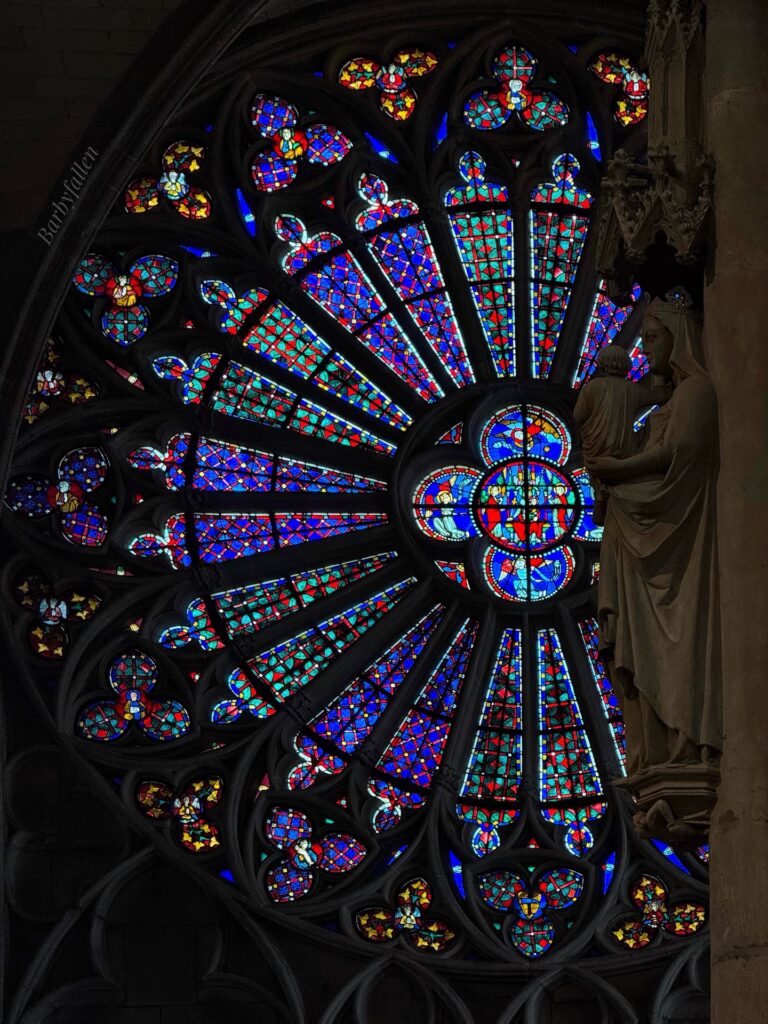
A circular rose window above the entrance floods the nave with colorful light, depicting biblical scenes or geometric patterns.
Portal Carvings with Narrative Depth
Deeply recessed portals carved with saints, apostles, and moral tales educate and inspire—use laser-cut stone for precise modern replicas.
Gargoyles and Grotesques for Protection
These whimsical waterspouts ward off evil; place them strategically for drainage while adding character.
Interior Elements: Creating Sacred Spaces
Nave and Aisle Configurations
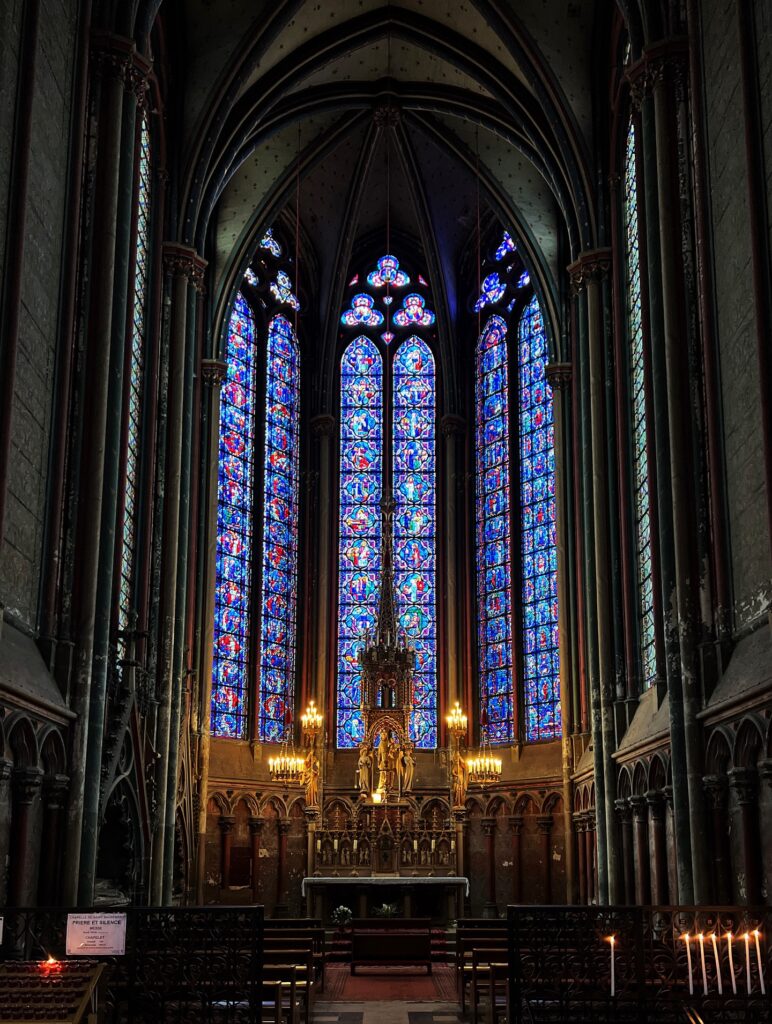
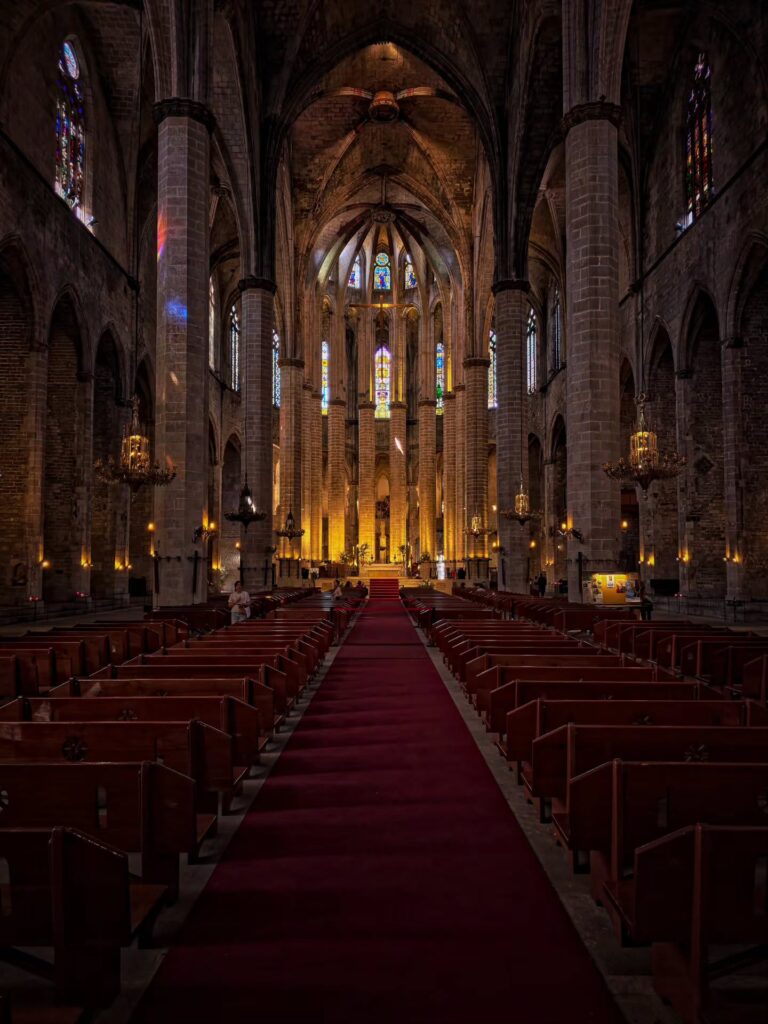
A long central nave flanked by aisles creates processional flow; add side chapels for intimate prayer.
Choir and Altar Focus
Elevate the choir area with intricate screens and stalls, centering the altar under a vaulted canopy.
Pulpit and Lectern Designs
Ornate wooden pulpits with spiral stairs allow for dramatic sermons; pair with eagle-shaped lecterns symbolizing divine word.
Material and Color Choices: Enhancing Gothic Beauty
Stone Varieties for Texture
Limestone for carvability, sandstone for warmth—mix for visual interest in facades.
Stained Glass Palette
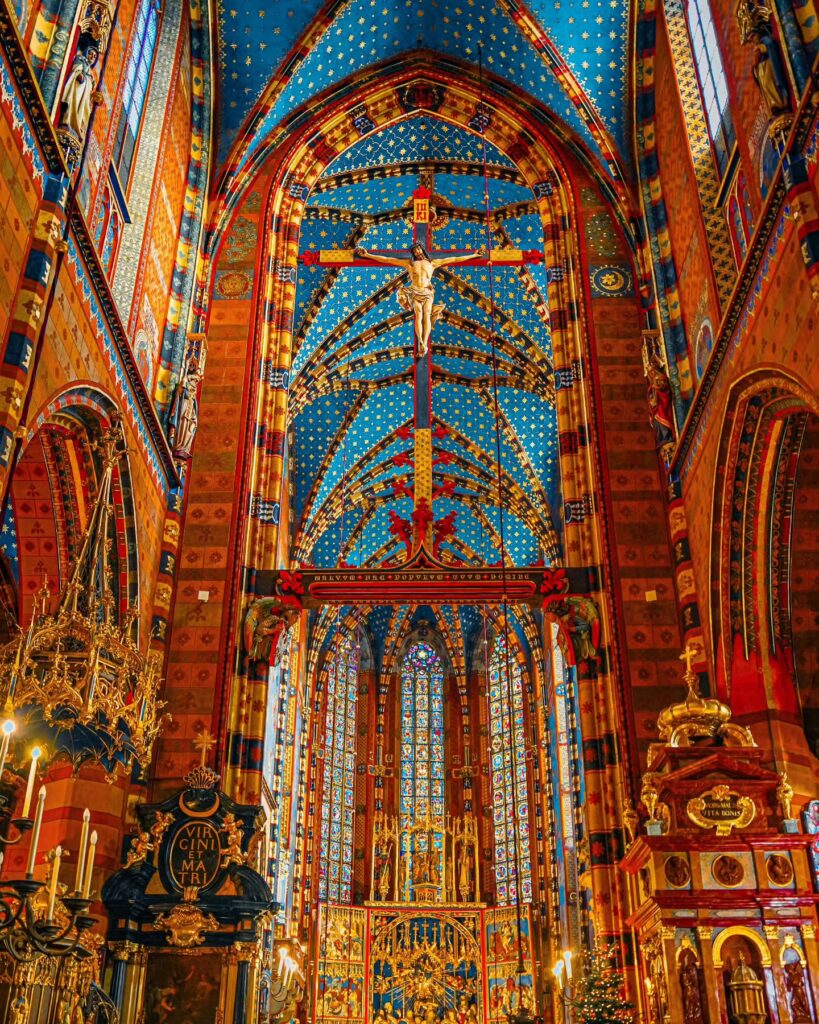
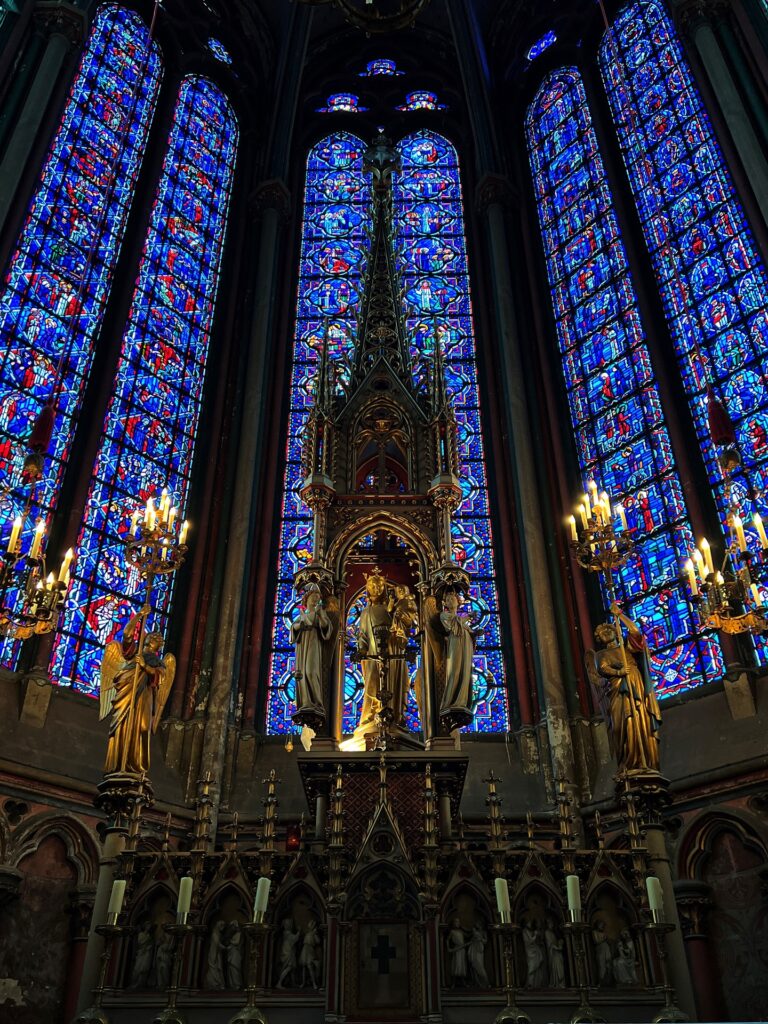
Vibrant reds, blues, and golds in windows tell stories while filtering light into rainbow hues.
Wood Carvings in Interiors
Oak or walnut for pews and screens, carved with foliage, animals, or heraldic symbols.
Modern Adaptations: Gothic for the 21st Century
Sustainable Features
Incorporate solar panels into spires or energy-efficient glass in windows without compromising aesthetics.
Accessible Design
Add ramps disguised as buttress extensions and audio systems for inclusive worship.
Hybrid Styles
Blend Gothic with modern minimalism—pointed arches in glass for contemporary churches.
Budget Considerations and Practical Tips
Budgets for Gothic-inspired projects vary: $50,000–$500,000 for new chapels, $10,000–$100,000 for restorations. Use faux stone or precast elements for cost savings. Consult engineers for structural integrity, especially with tall spires. Maintenance is key—regular inspections prevent stone erosion.
FAQ: Gothic Churches Architecture Ideas
What defines Gothic architecture?
Pointed arches, ribbed vaults, flying buttresses, and large stained glass windows characterize the style, emphasizing height and light.
Can Gothic elements be used in modern buildings?
Yes, neo-Gothic designs incorporate sustainable materials like steel-framed arches and energy-efficient glass.
How long did Gothic cathedrals take to build?
Many took 50–200 years, with generations of artisans contributing.
What’s the difference between Gothic and Romanesque?
Gothic is lighter, taller, and more ornate; Romanesque is heavier with rounded arches.
Are Gothic churches only in Europe?
No, examples exist worldwide, like St. Patrick’s Cathedral in New York.
Final Verdict: Timeless Towers of Inspiration
41 gothic churches architecture ideas capture the enduring spirit of a style that lifted stone toward the sky and human imagination with it. From soaring spires to intricate carvings, Gothic architecture reminds us that beauty lies in detail, strength in innovation, and legacy in aspiration. Whether restoring a historic gem or infusing modern spaces with Gothic grace, these ideas ensure your project stands as a testament to craftsmanship and wonder. Embrace the pointed arch, let light pour through stained glass, and build something that echoes through centuries. The Gothic revival starts now.
(Word count: 1,612)