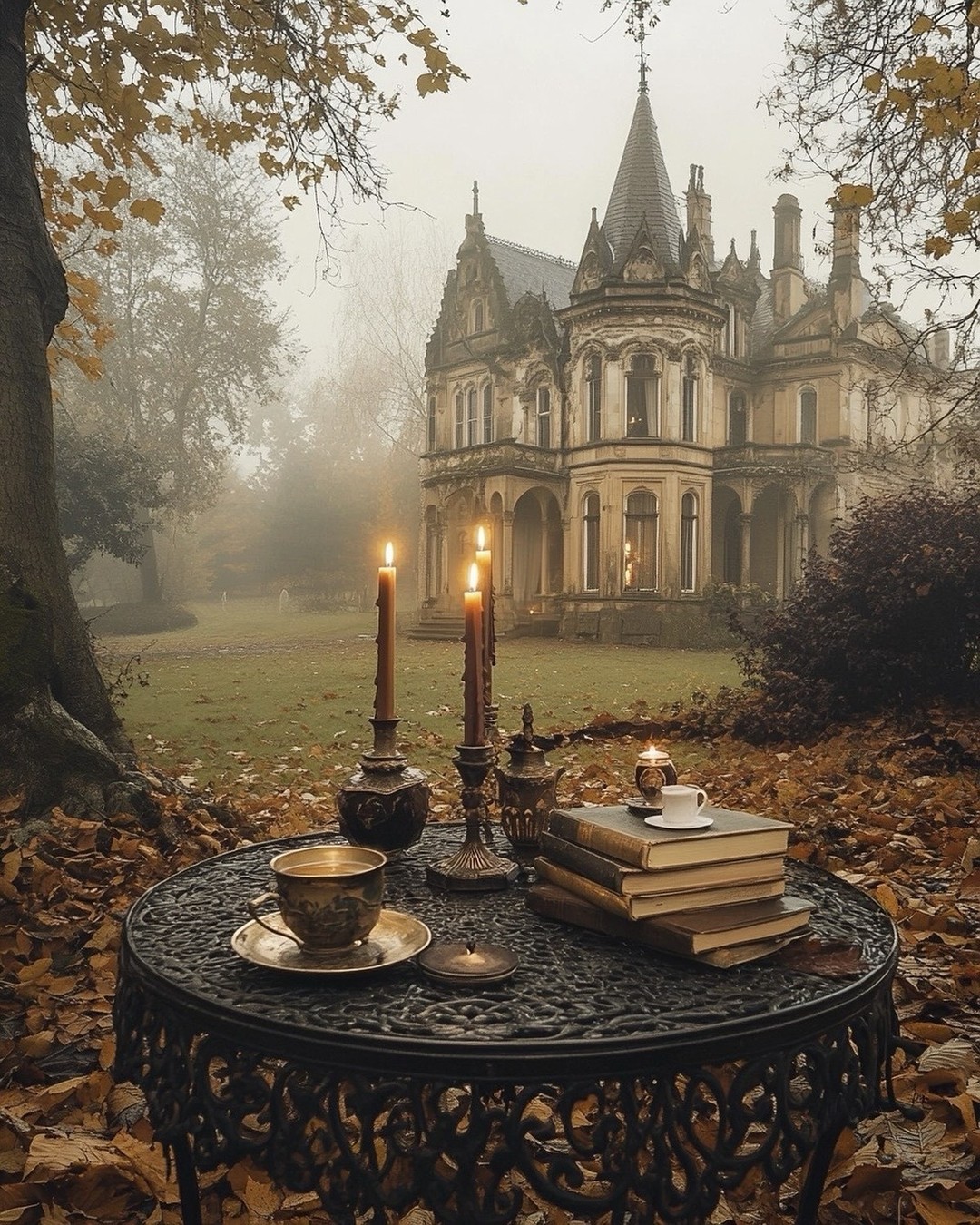
There is something undeniably magnetic about Gothic architecture. It whispers of mystery, power, romance, and timeless grandeur. Born in the Middle Ages and reborn during the Victorian Gothic Revival, Gothic mansions stand as dramatic monuments to imagination and craftsmanship. With their soaring spires, pointed arches, ribbed vaults, ornate tracery, and brooding stone façades, these homes do not merely sit on the landscape — they command it. Whether cloaked in ivy, crowned with gargoyles, or glowing under moonlight, Gothic mansions evoke a sense of stepping into another era, one filled with secret passages, grand ballrooms, and legends waiting to be told.
In this in-depth exploration, we present 42 breathtaking Gothic mansion designs that range from authentic medieval restorations to contemporary neo-Gothic masterpieces. Each one proves that the Gothic spirit is far from dead — it has simply evolved into new, luxurious, and often hauntingly beautiful forms.
The Timeless Allure of Gothic Mansion Architecture
Gothic architecture first emerged in 12th-century France as a revolutionary response to the heavy Romanesque style. It sought height, light, and spiritual transcendence through engineering breakthroughs like the pointed arch, the flying buttress, and the ribbed vault. By the 19th century, the Gothic Revival movement — fueled by romanticism, nostalgia, and a fascination with the medieval — swept across Europe and North America. Wealthy industrialists, aristocrats, and eccentrics commissioned enormous Gothic mansions that blended historical accuracy with lavish fantasy.
Today, Gothic mansions continue to captivate architects, designers, and dreamers. They offer drama without ostentation, mystery without gloom, and a powerful sense of permanence in an ever-changing world. Modern Gothic mansions often marry authentic historical details with contemporary comfort: think smart-home technology hidden behind hand-carved oak panels, spa-like bathrooms tucked beneath vaulted ceilings, and energy-efficient systems disguised within ancient-looking stone walls.
Image Gallery: 42 Jaw-Dropping Gothic Mansion Designs
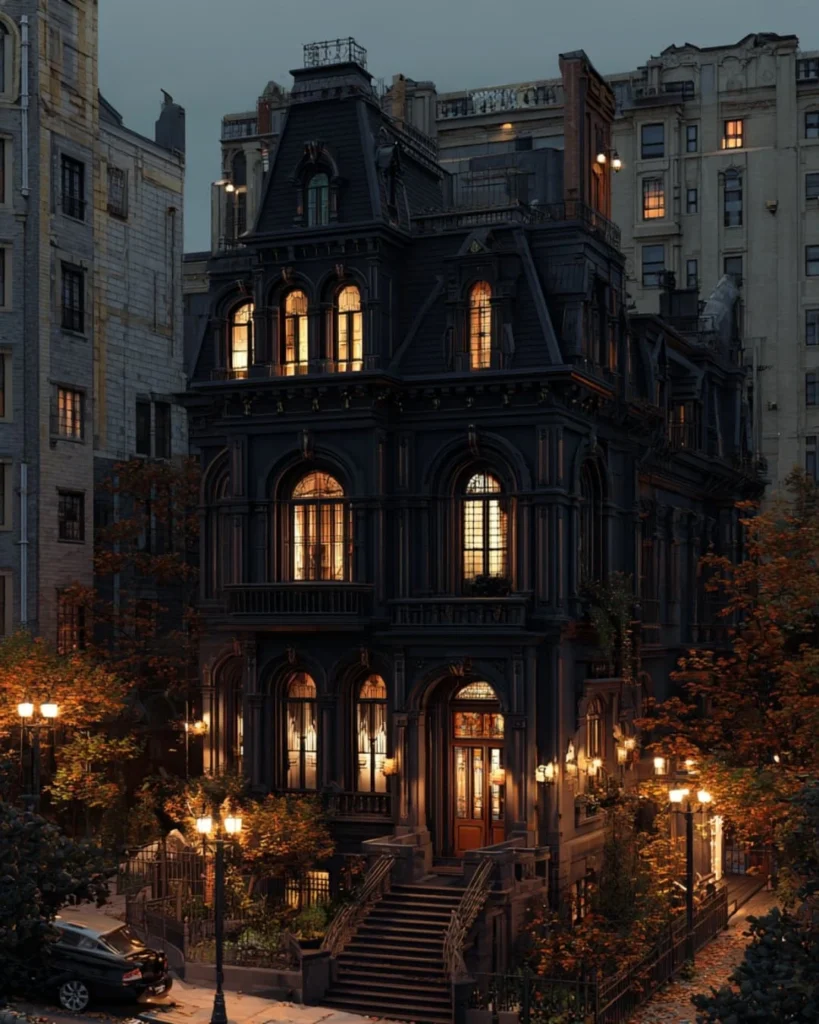
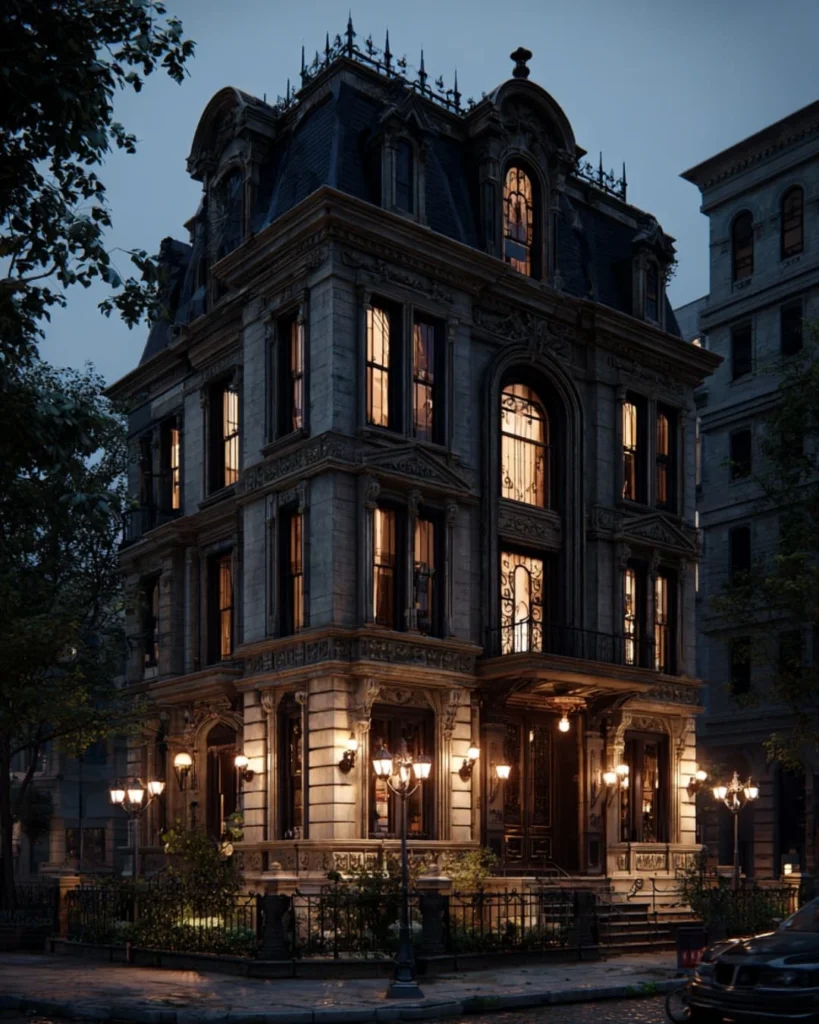
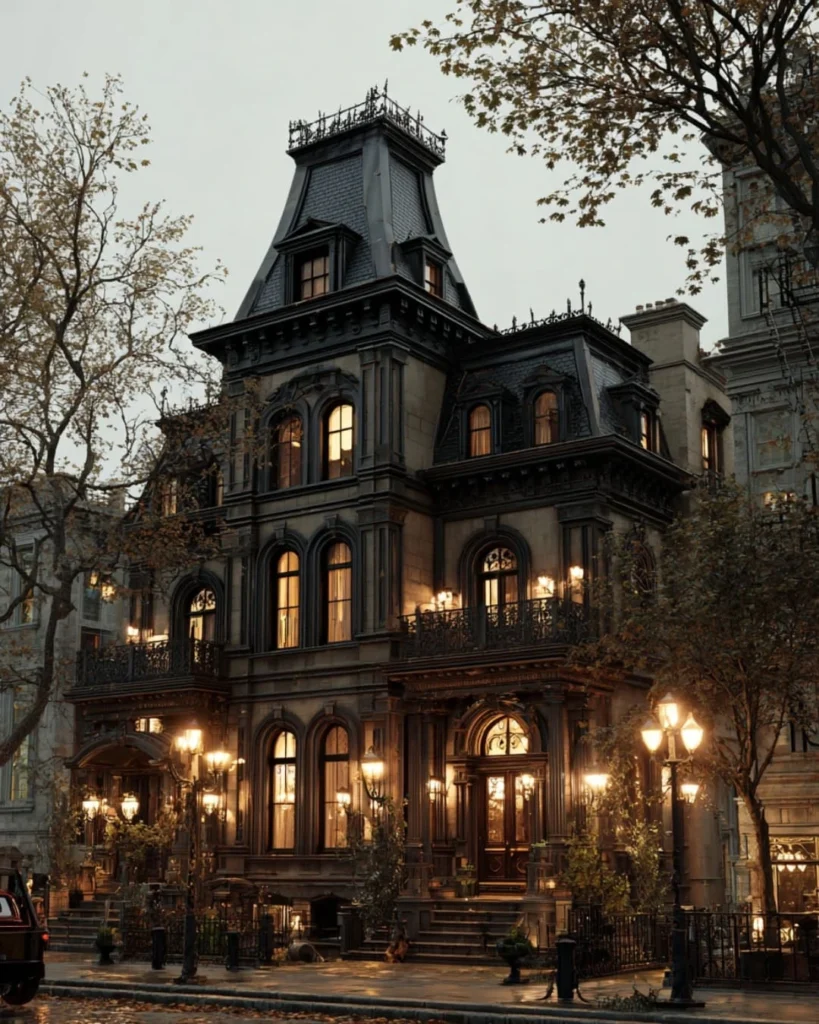
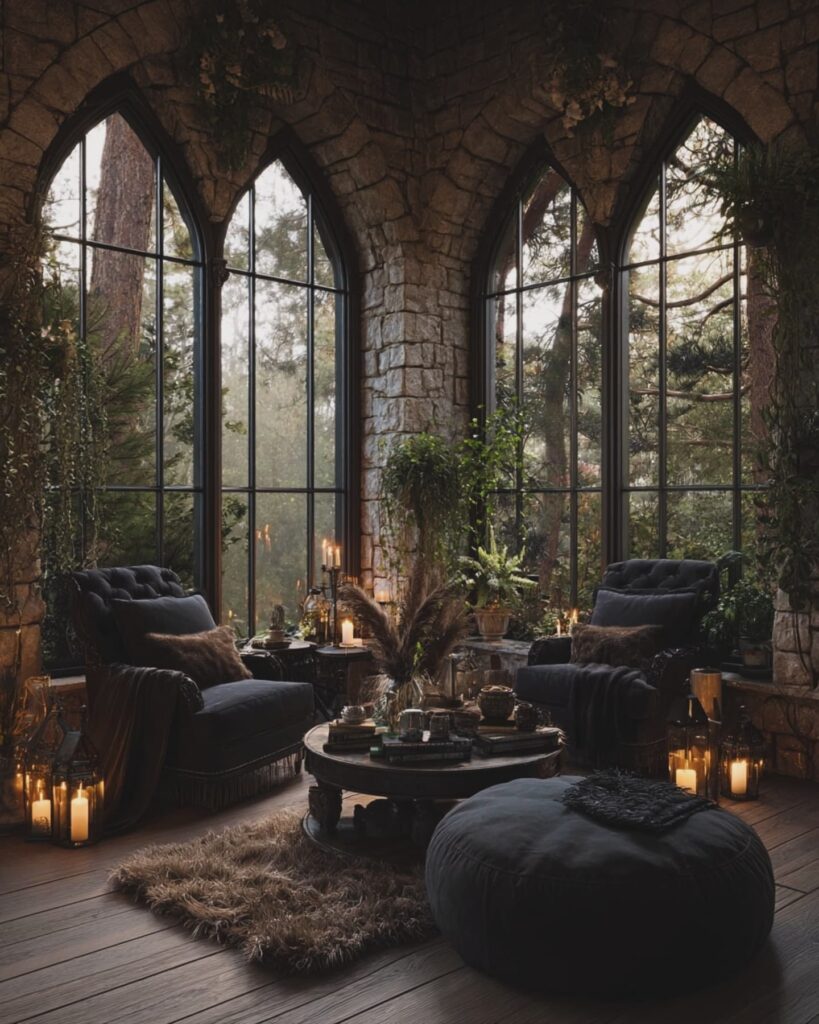
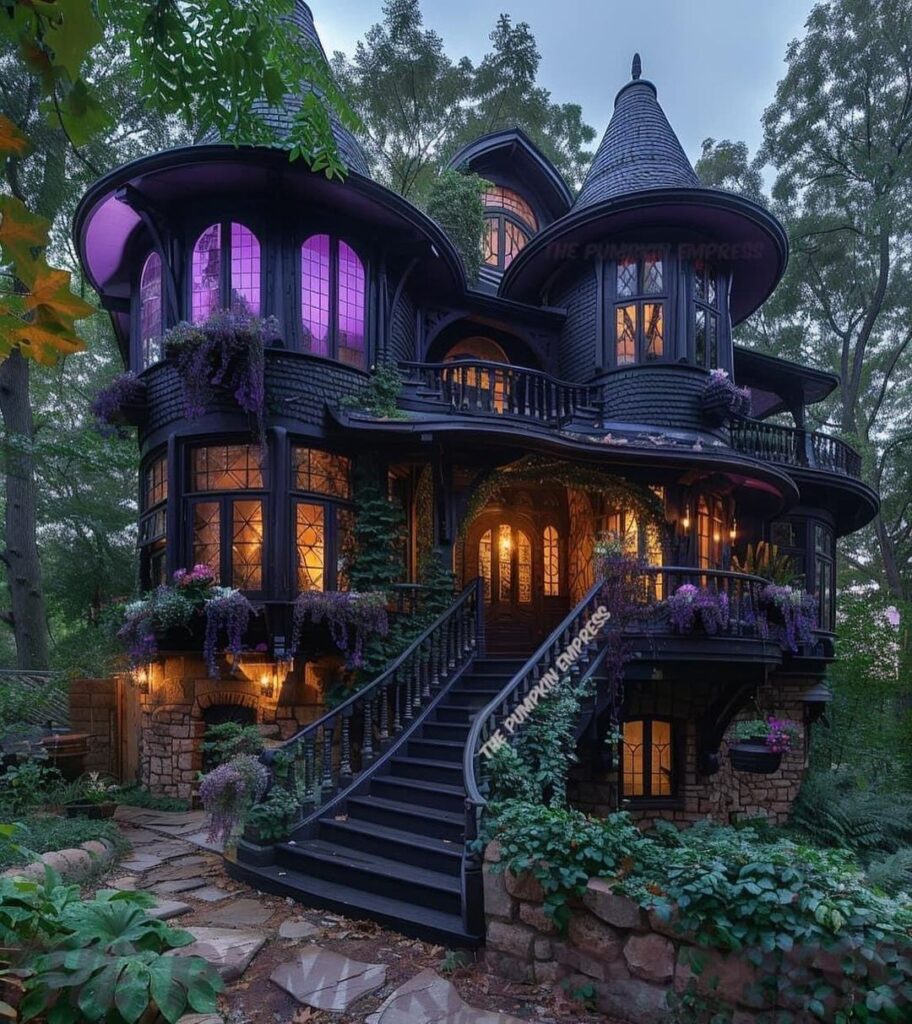
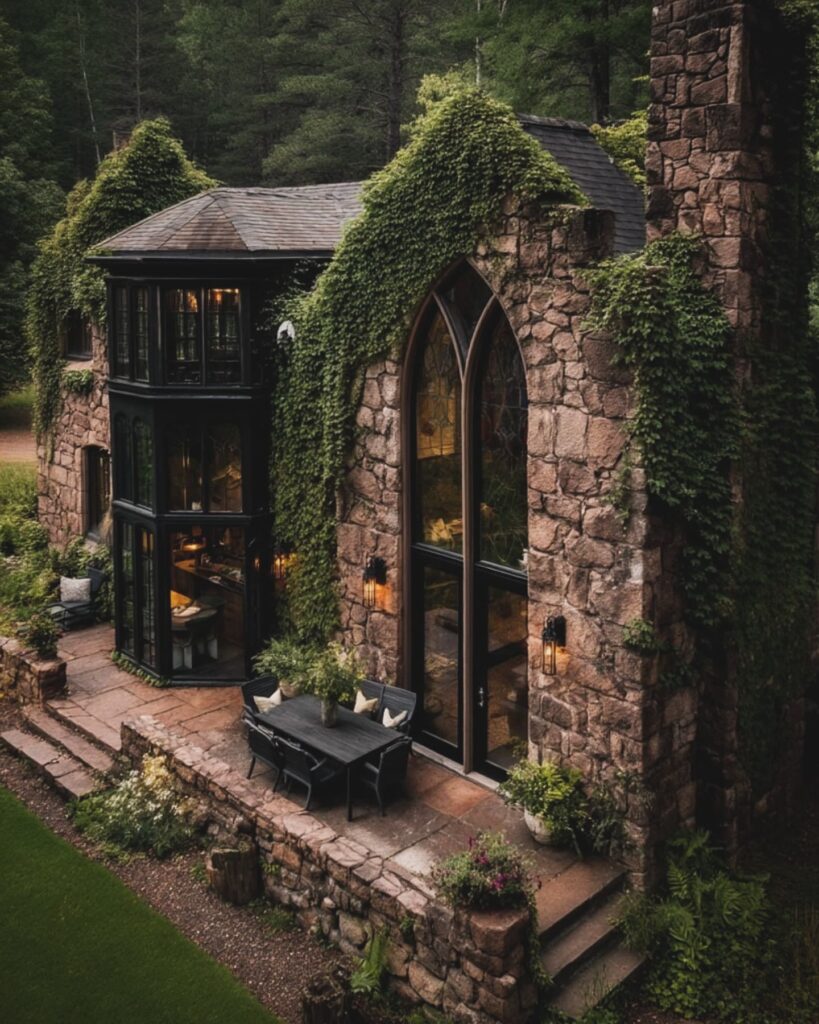
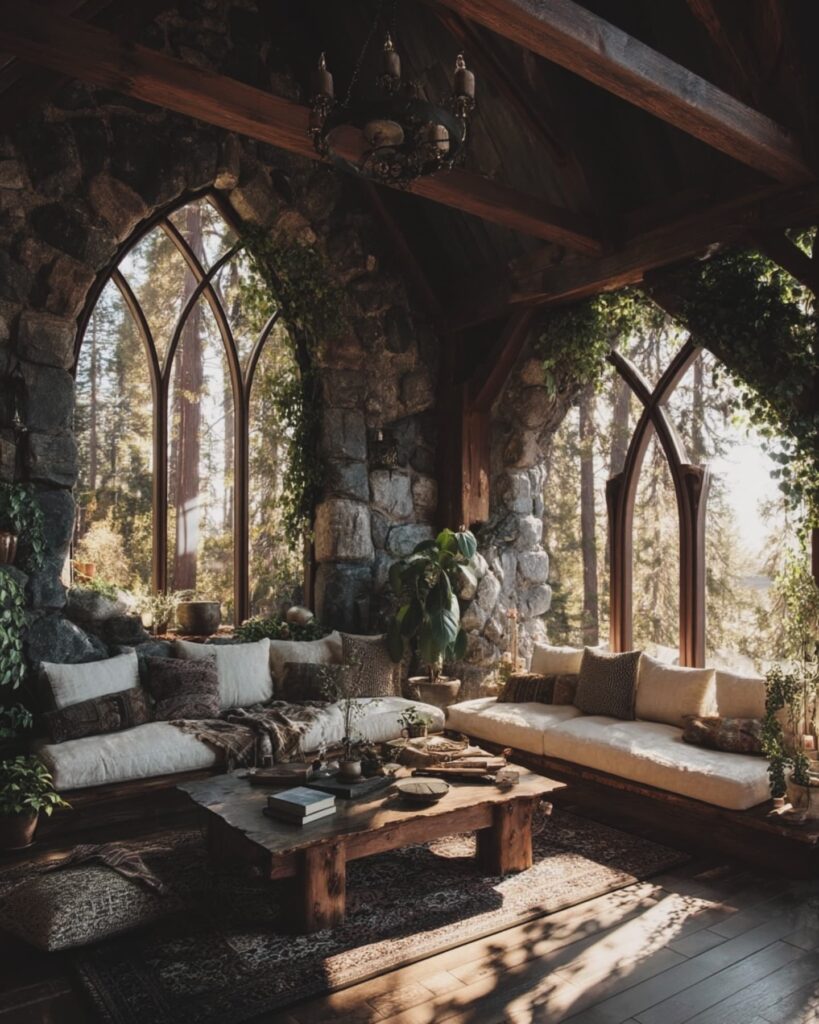
Prepare to be transported. Our carefully curated gallery showcases 42 of the most spectacular Gothic and Gothic-inspired mansions ever built or imagined. This visual journey spans centuries and continents, from crumbling medieval castles restored to opulent glory, to brand-new 21st-century neo-Gothic estates that push the boundaries of luxury and drama.
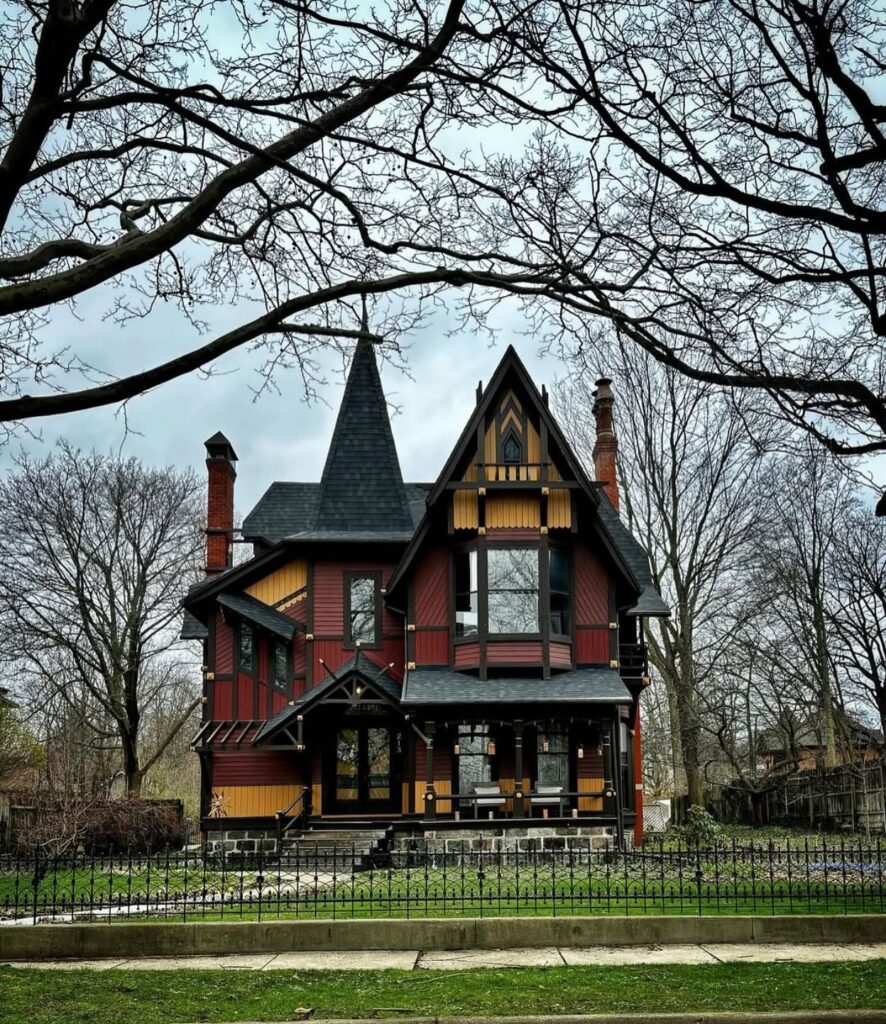
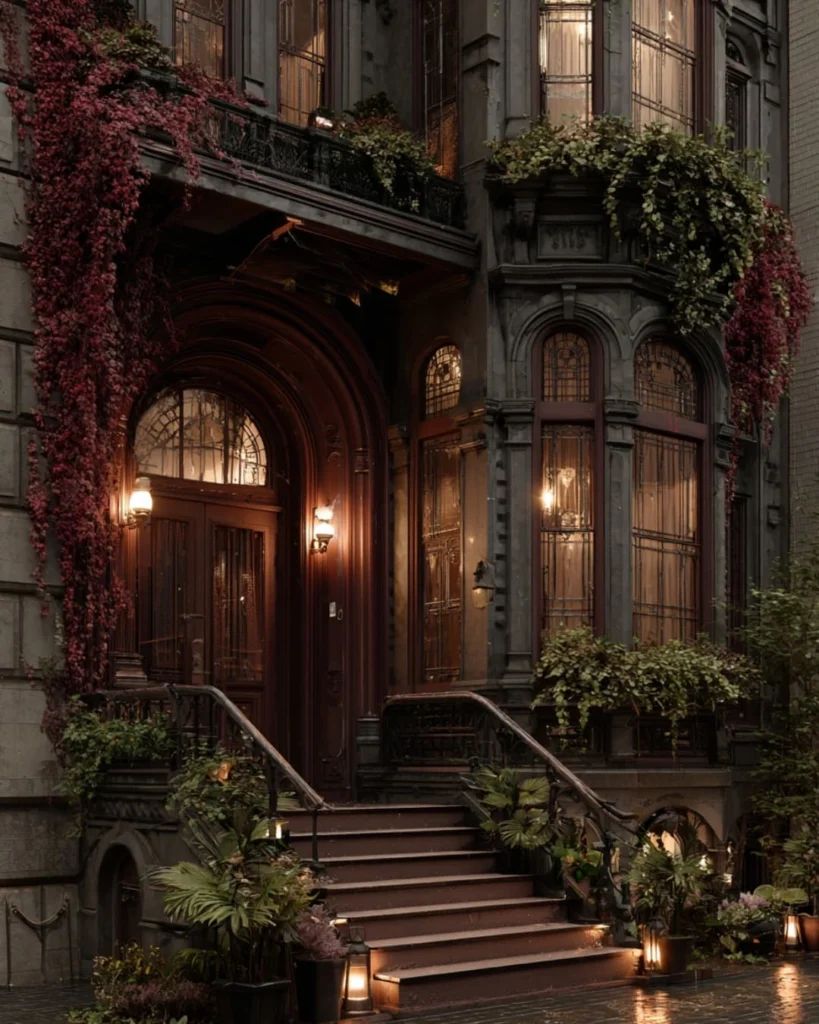
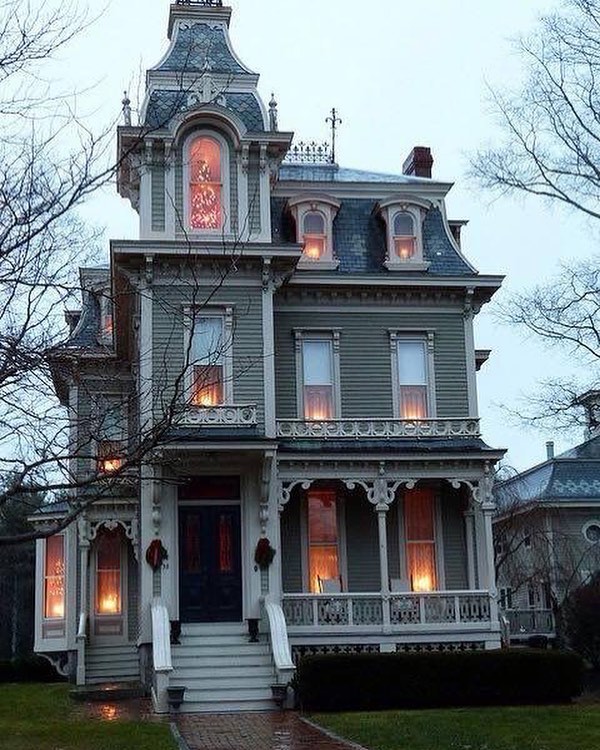
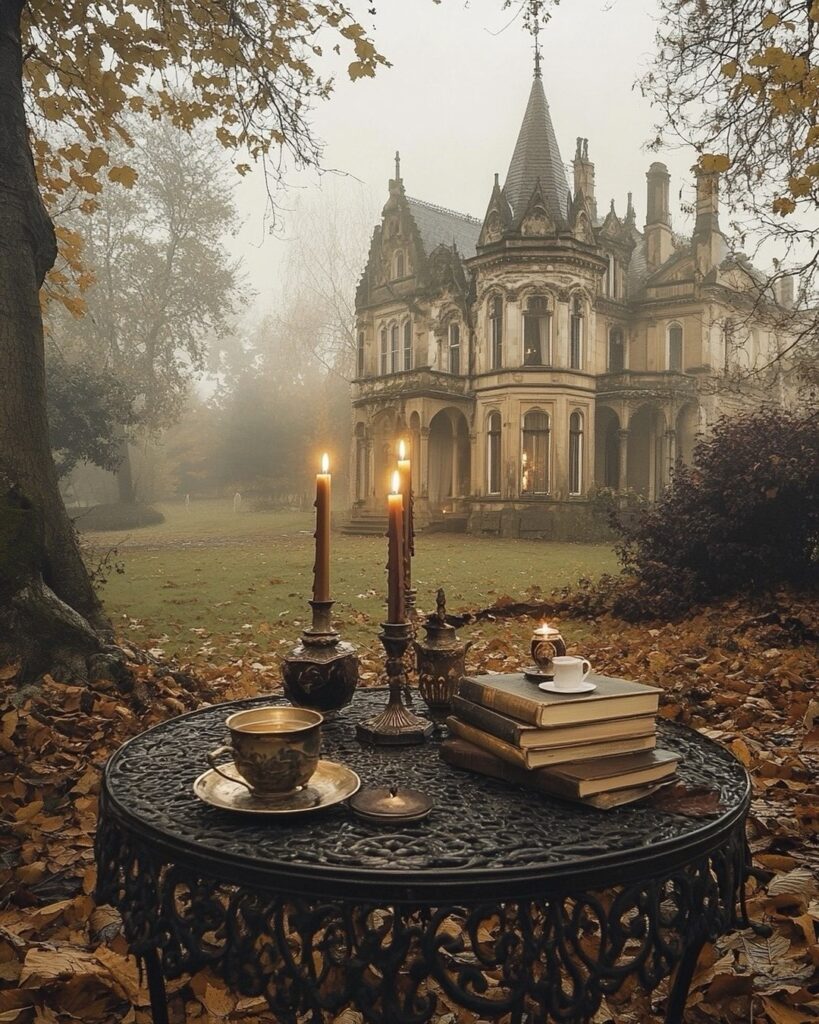
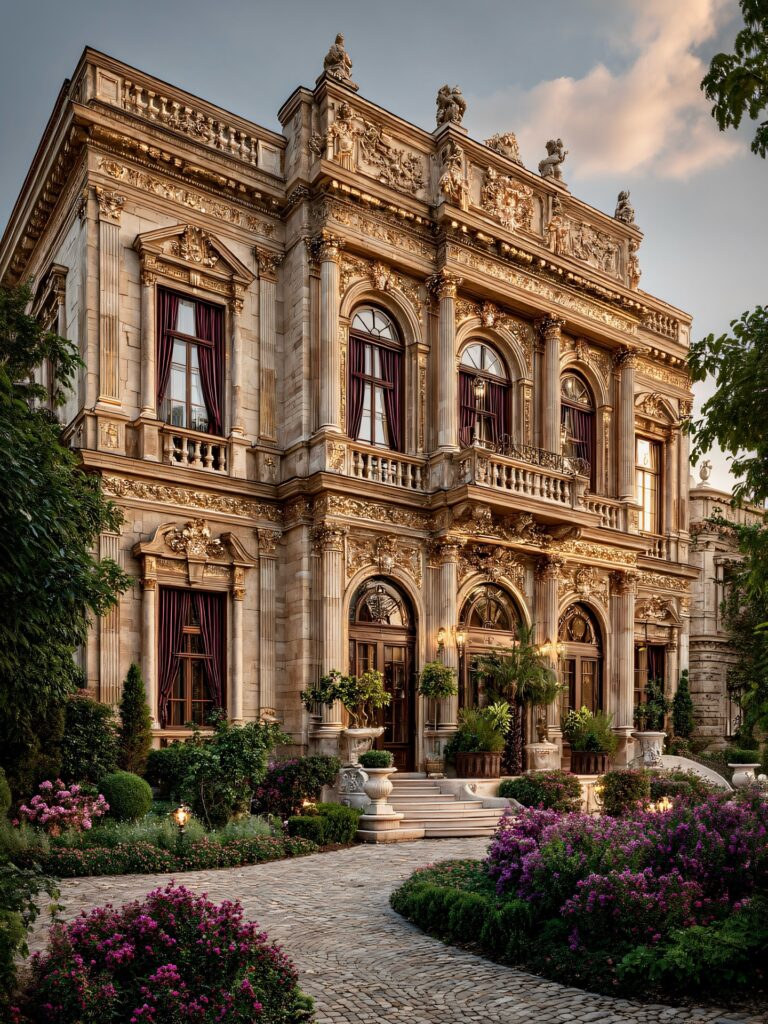
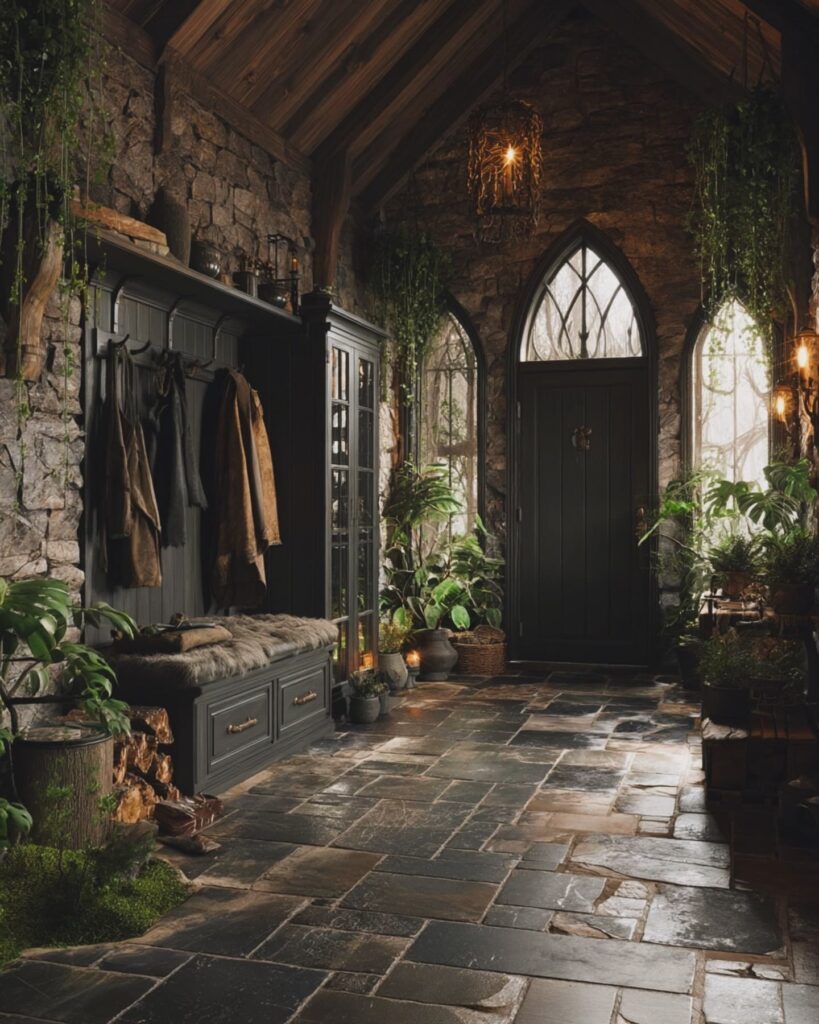
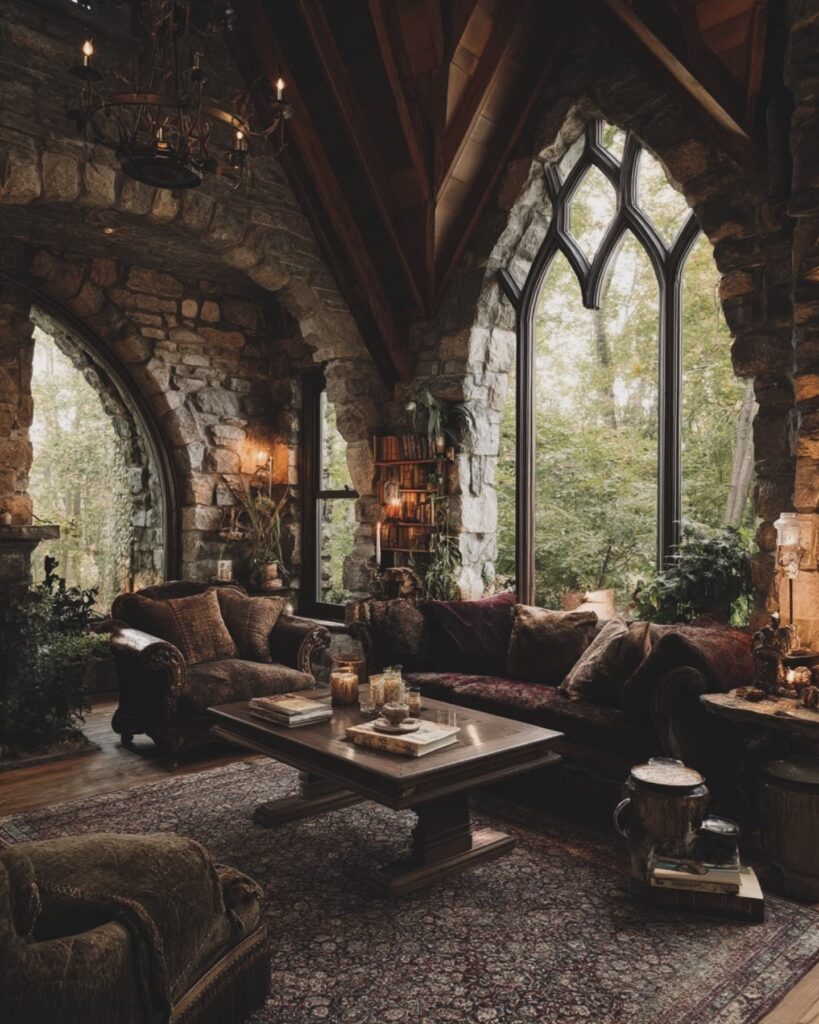
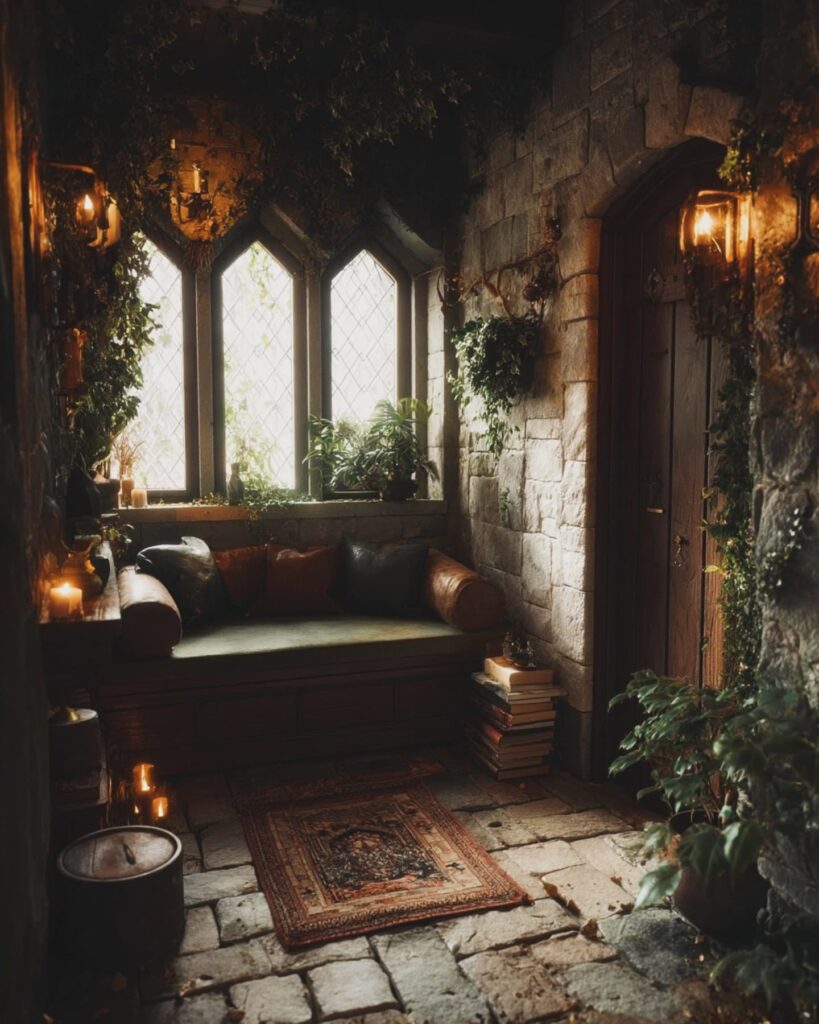
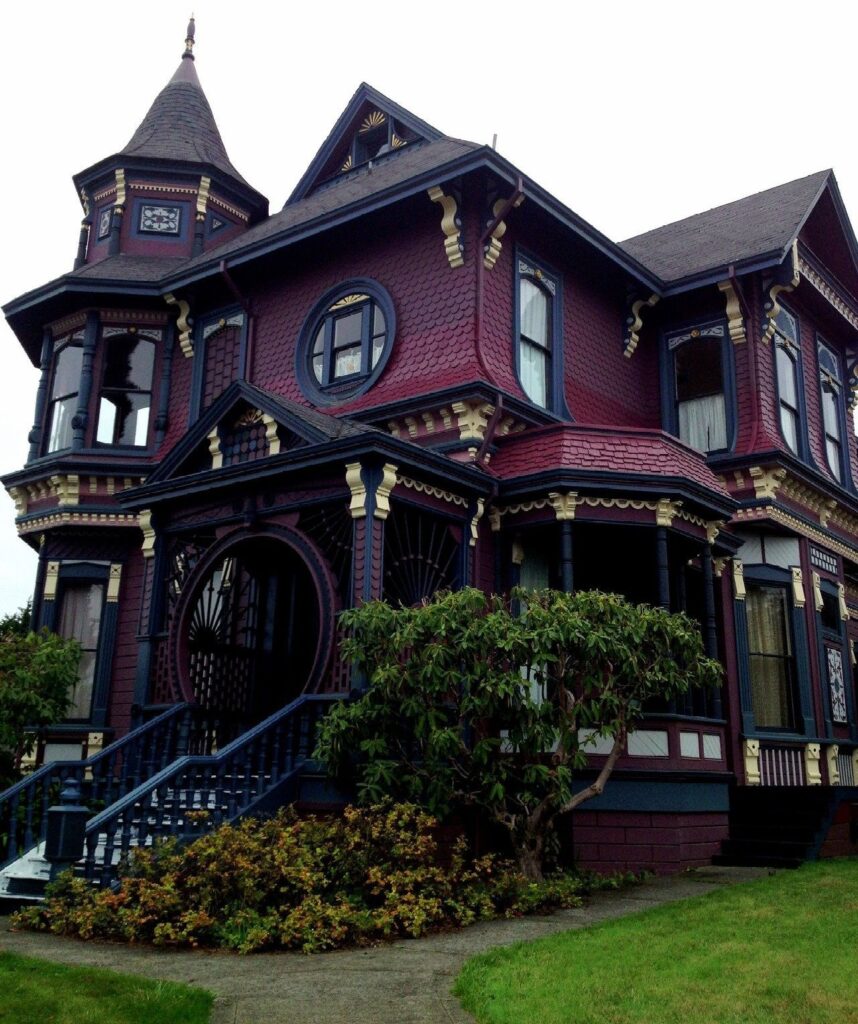
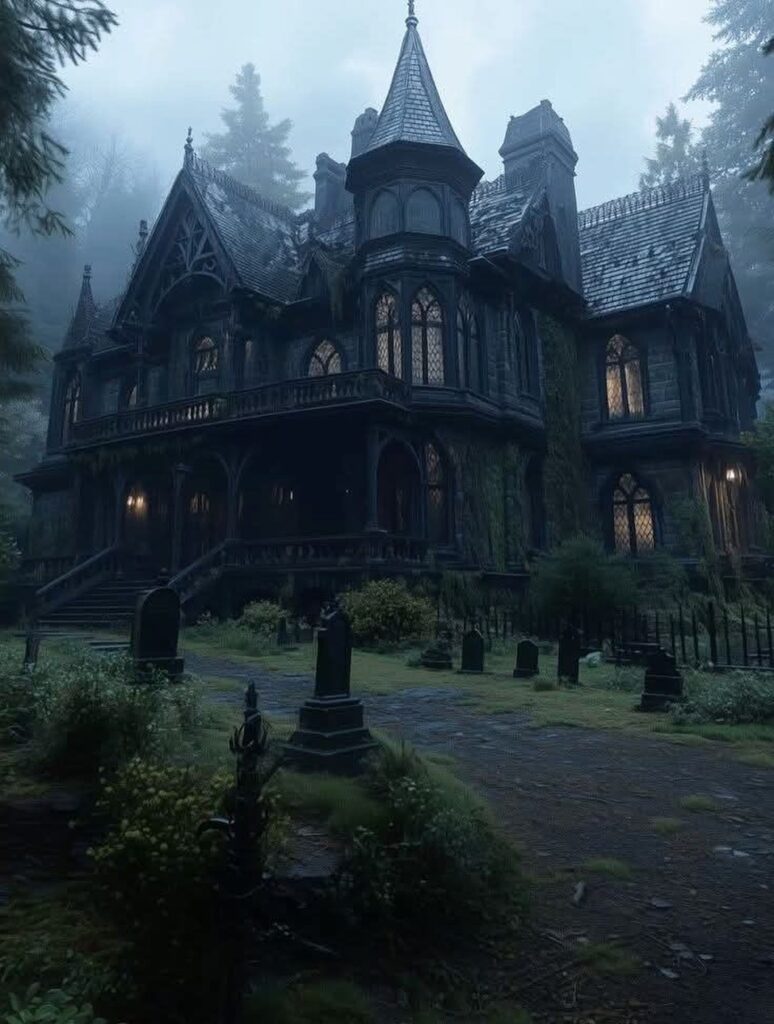
You will discover ivy-draped English manor houses with towering turrets and leaded stained-glass windows depicting knights and roses. You’ll marvel at American Gilded Age masterpieces like Lyndhurst and Boldt Castle, their limestone façades carved with gargoyles, grotesques, and intricate tracery. Expect French châteaux reimagined with symmetrical Gothic flair, Scottish baronial fortresses bristling with pepper-pot turrets, and moody Carpathian-inspired retreats perched on mist-covered hills.
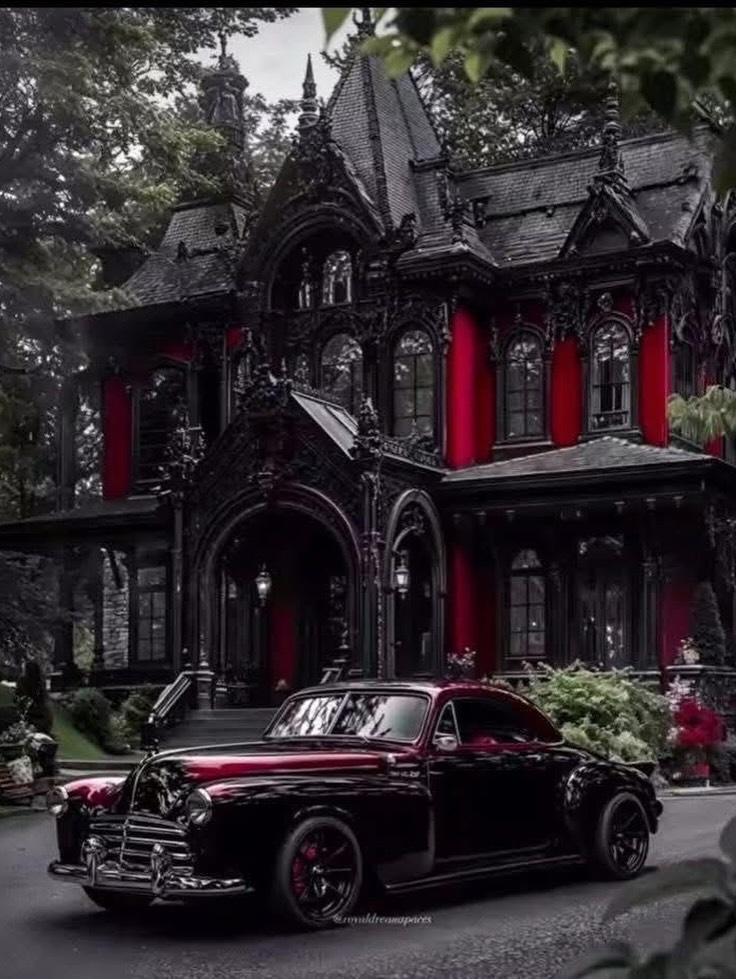
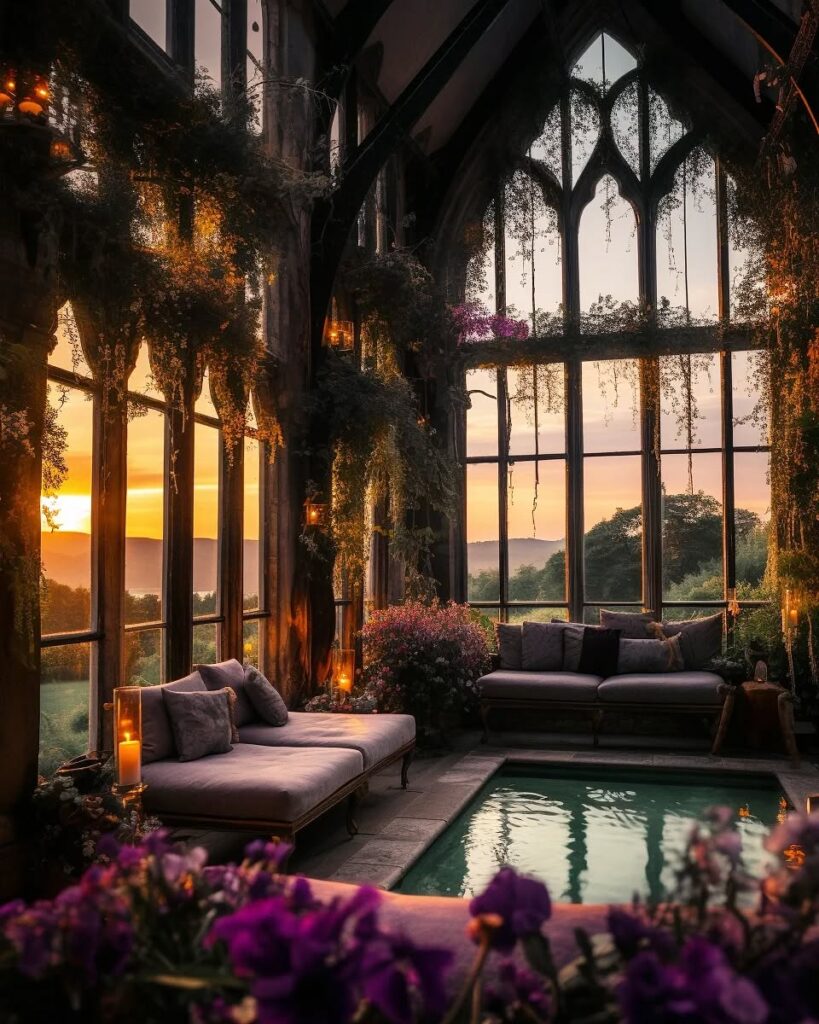
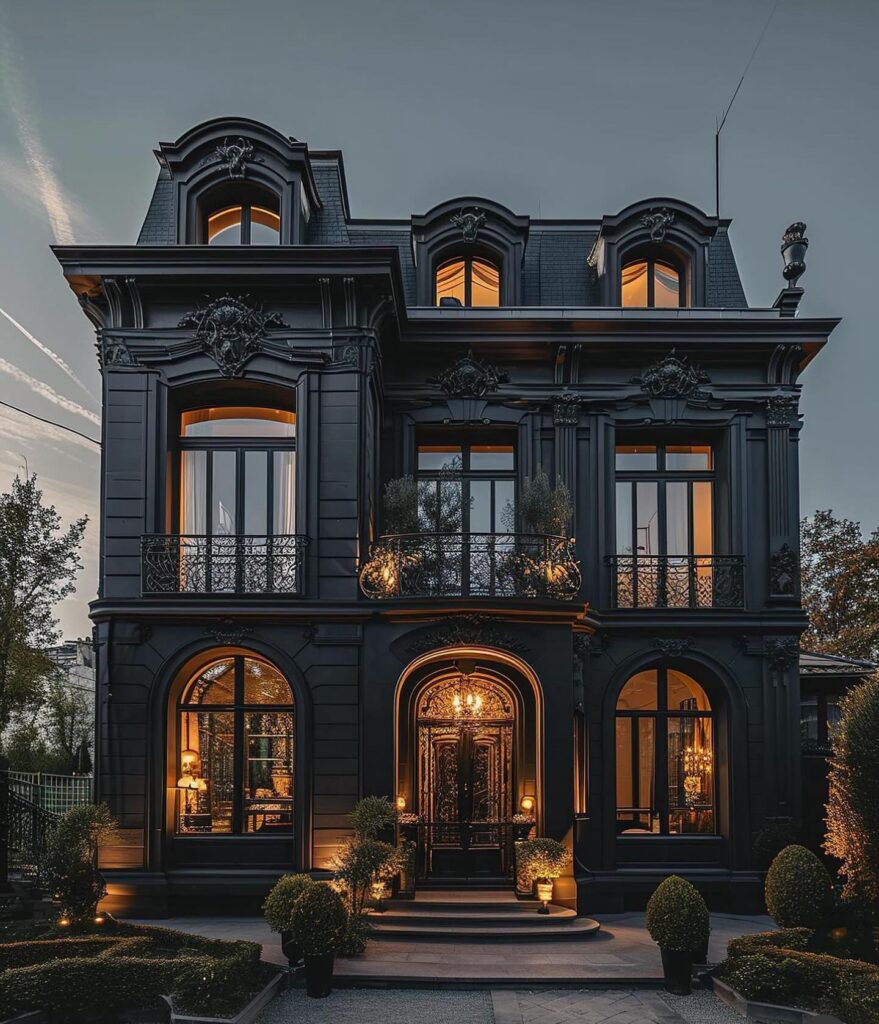
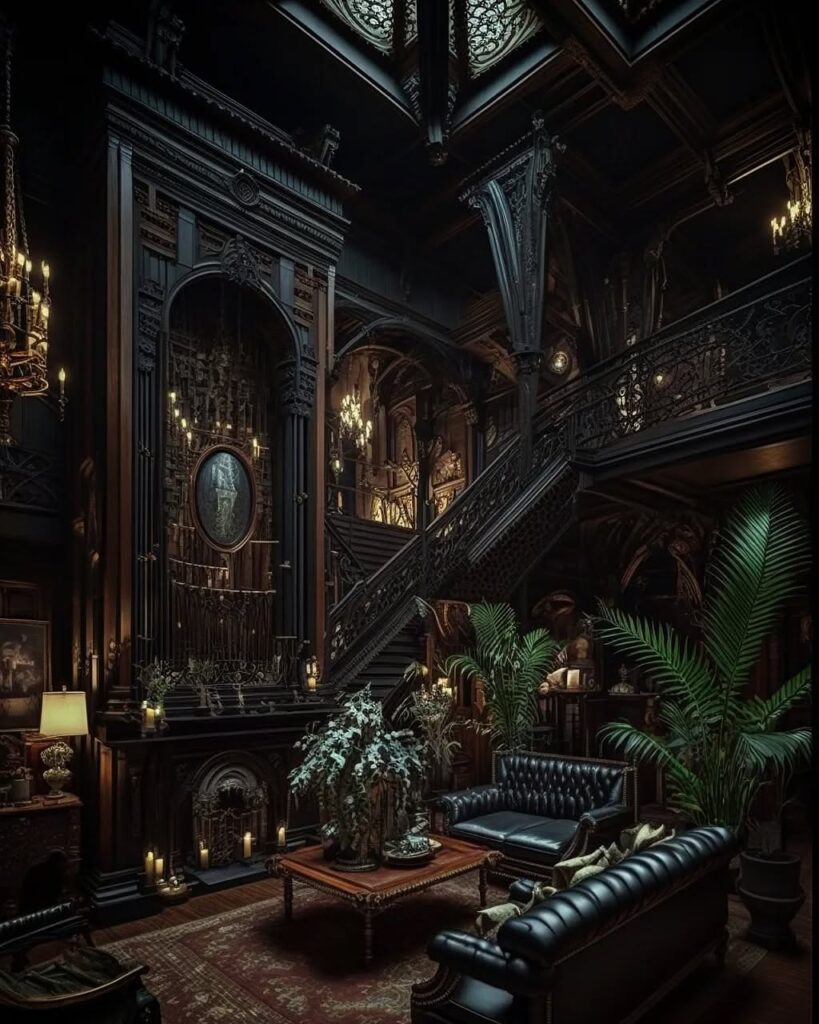
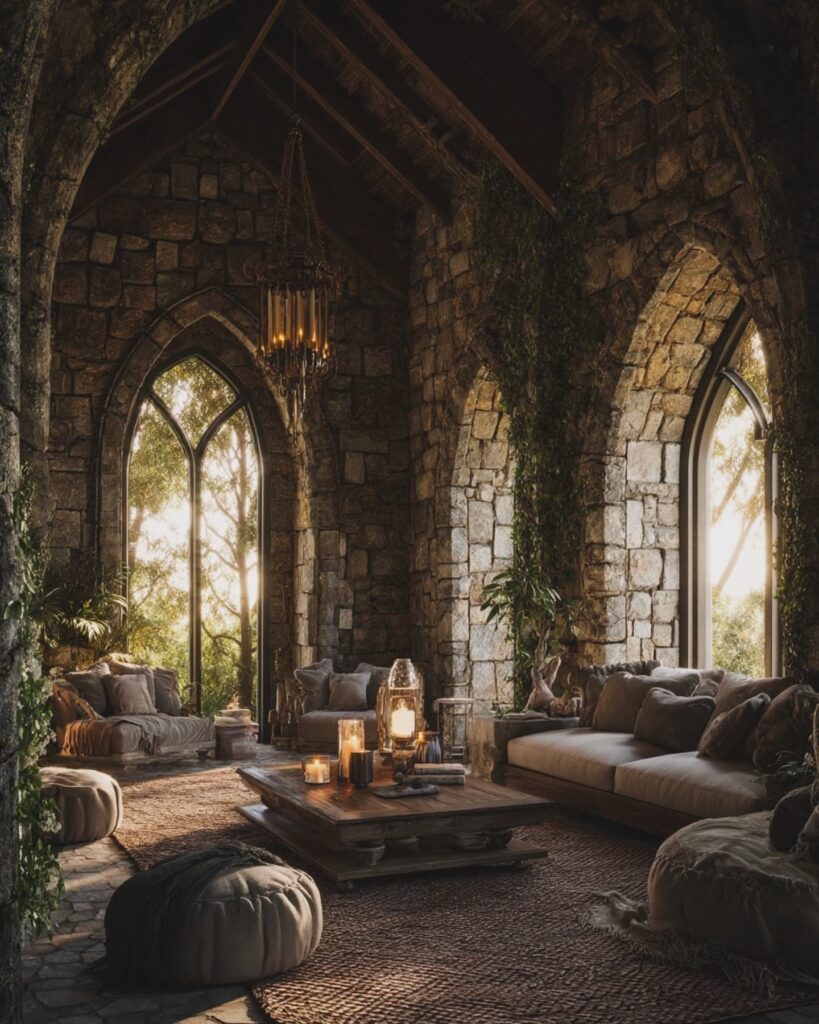
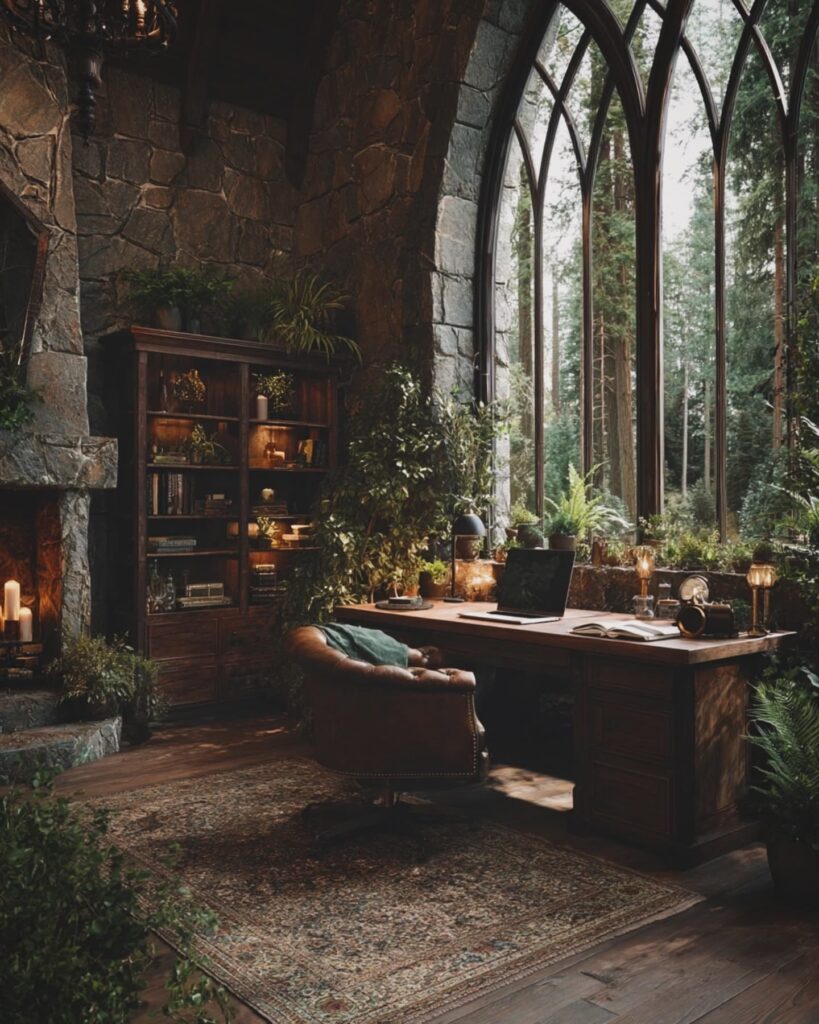
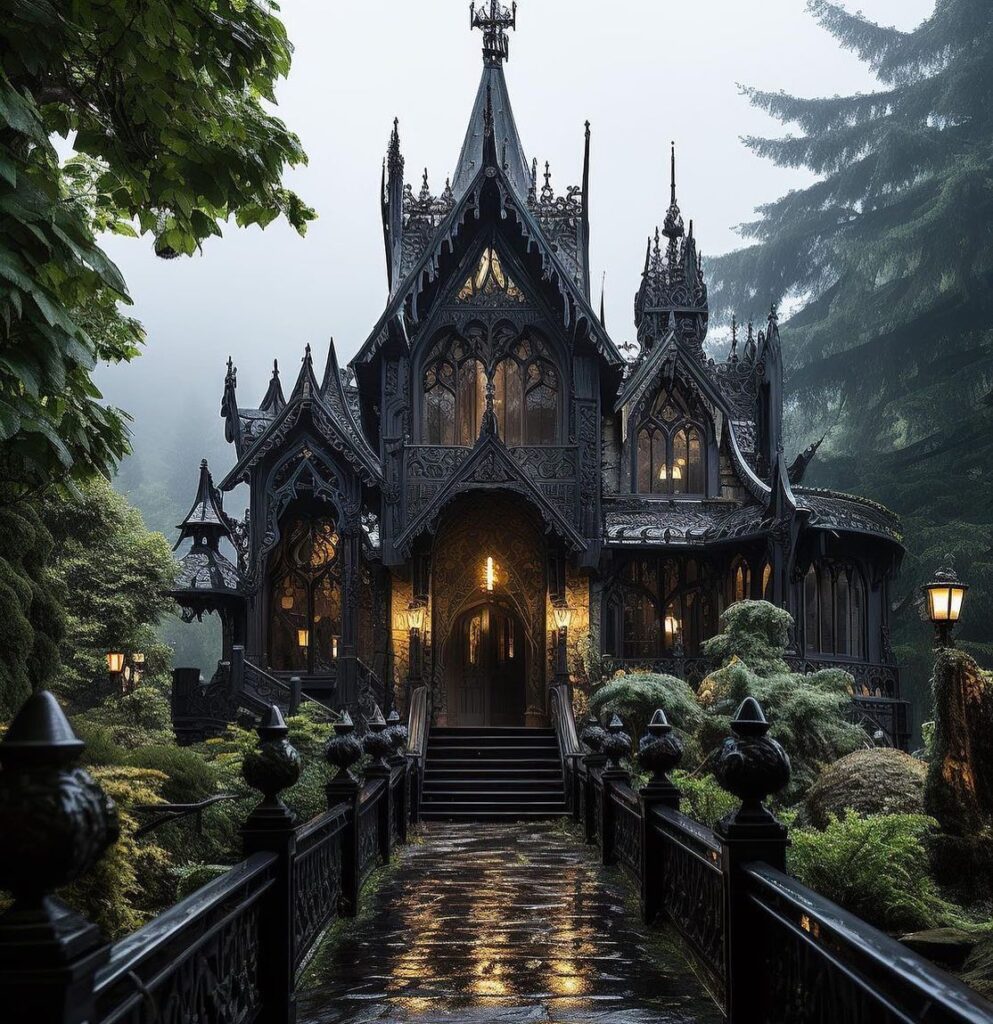
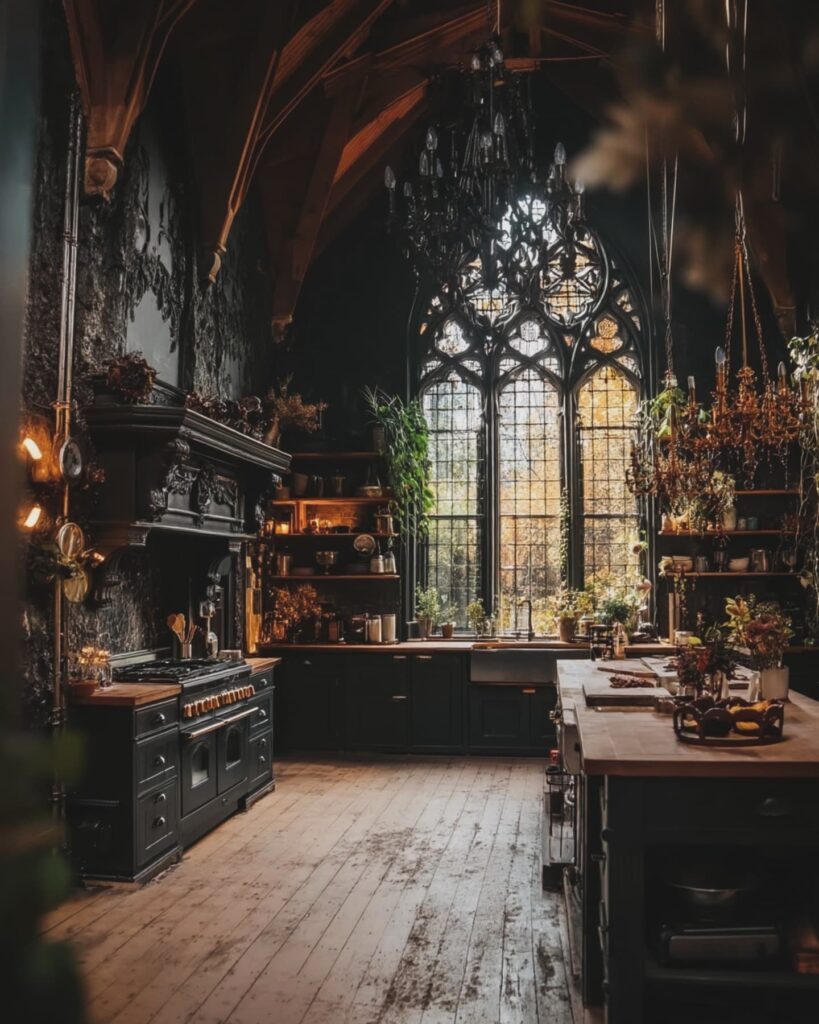
Contemporary interpretations are equally mesmerizing: sleek black-clad neo-Gothic villas with razor-sharp pointed arches framing floor-to-ceiling glass, minimalist Gothic homes where matte stone meets polished steel, and sustainable Gothic estates crowned with living green roofs that soften their dramatic silhouettes. Interiors range from brooding dark-wood libraries and double-height great halls with hammer-beam ceilings to light-filled modern Gothic spaces where white-painted stone and delicate lancet windows create an ethereal atmosphere.
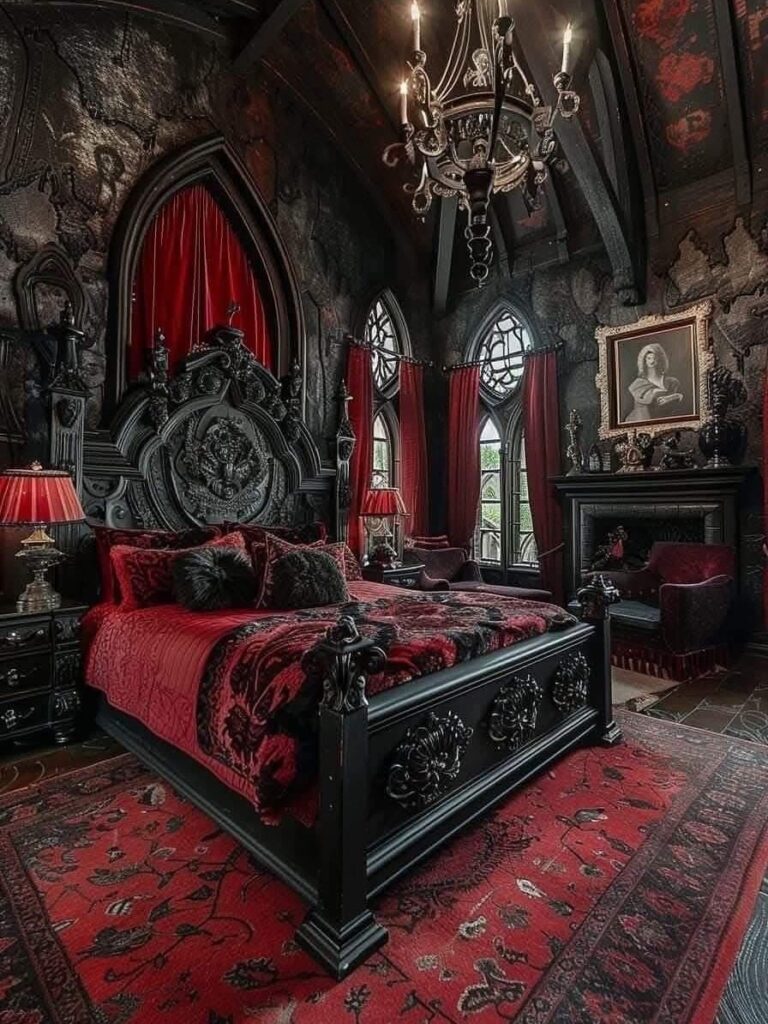
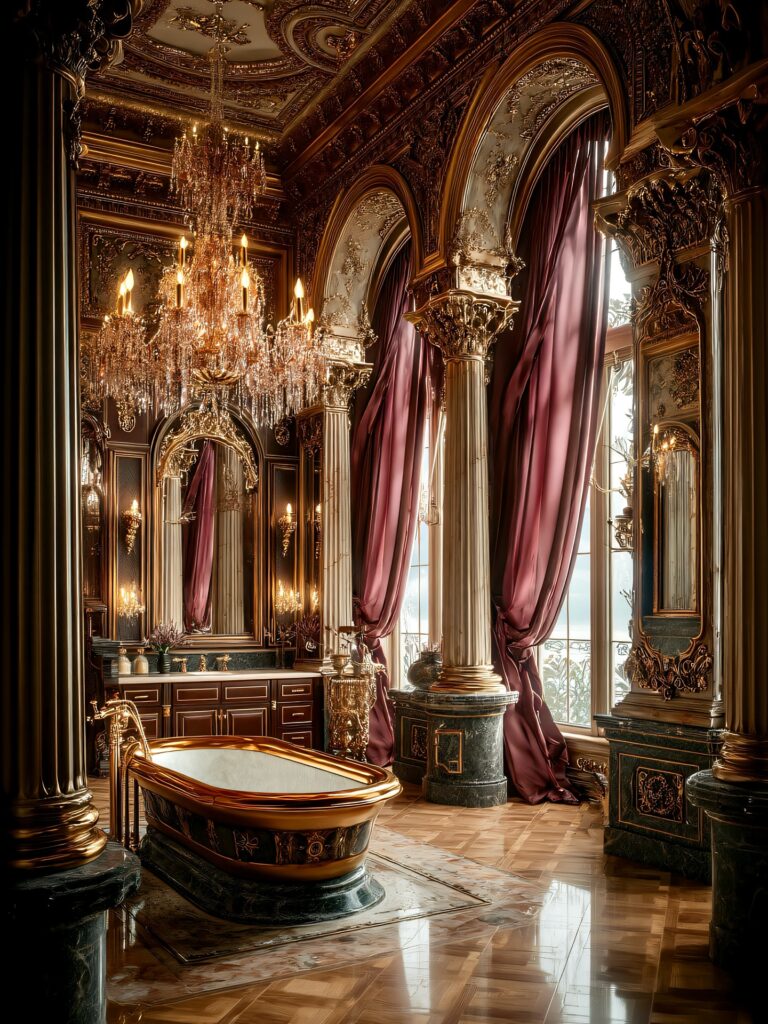
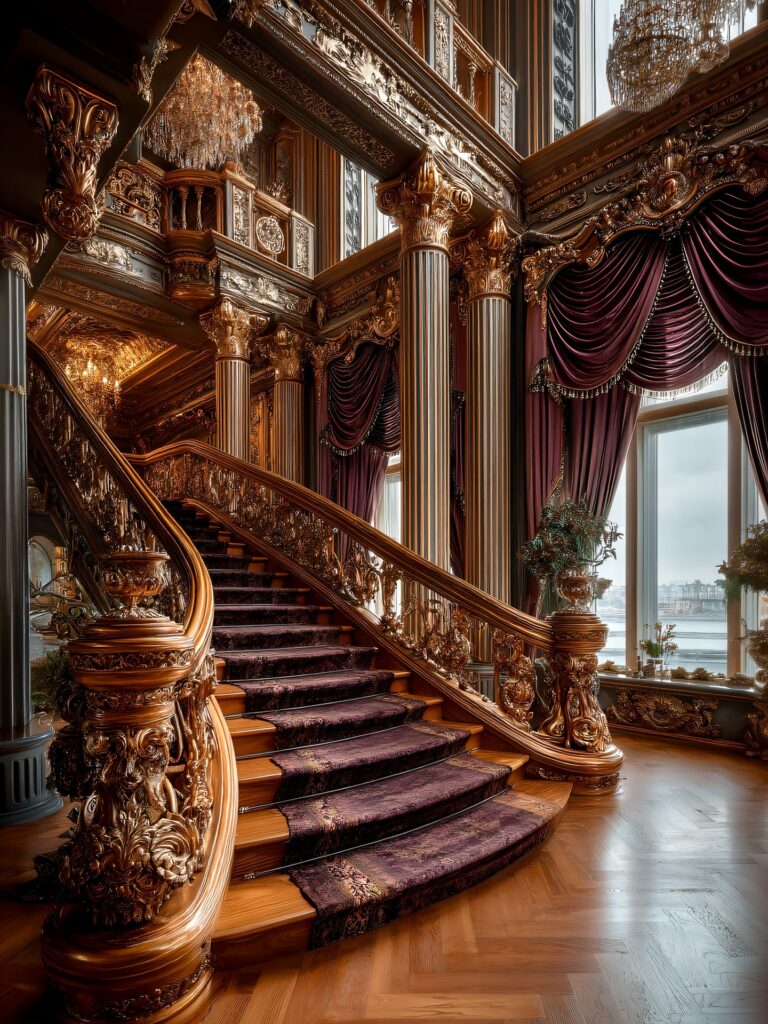
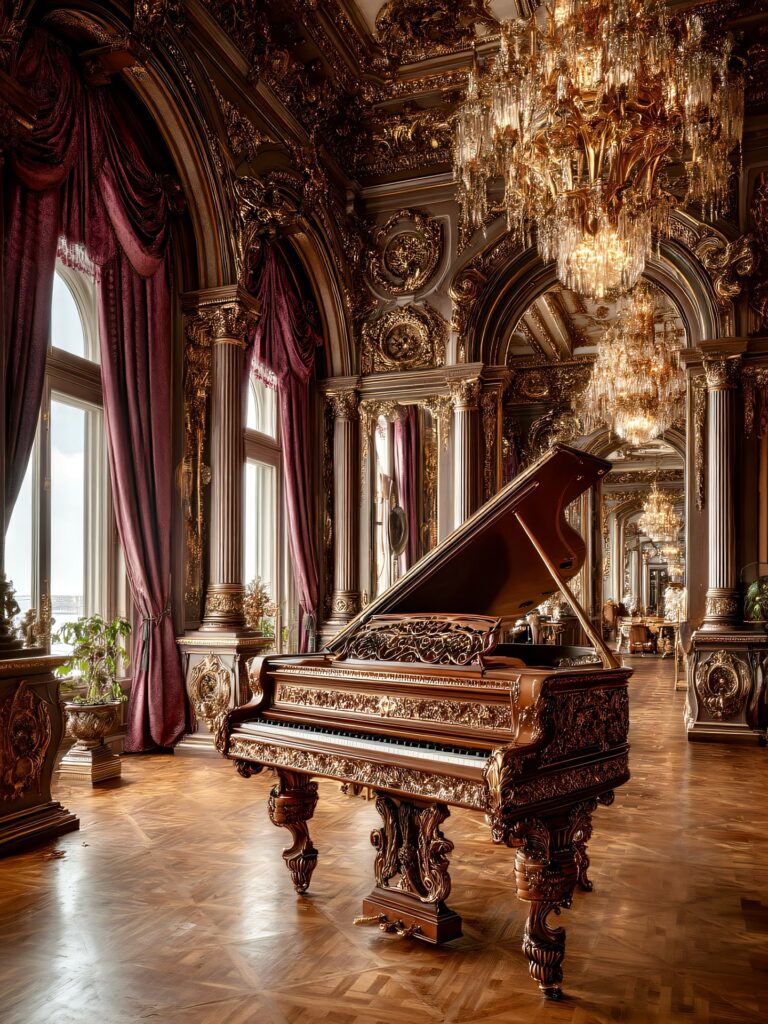
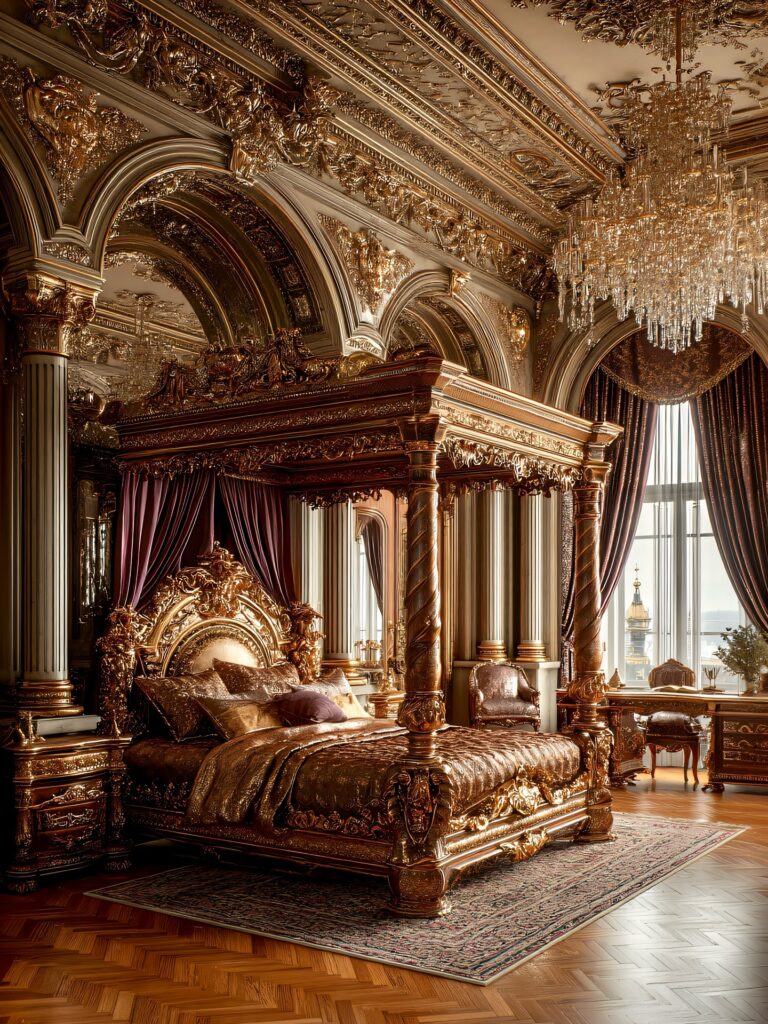
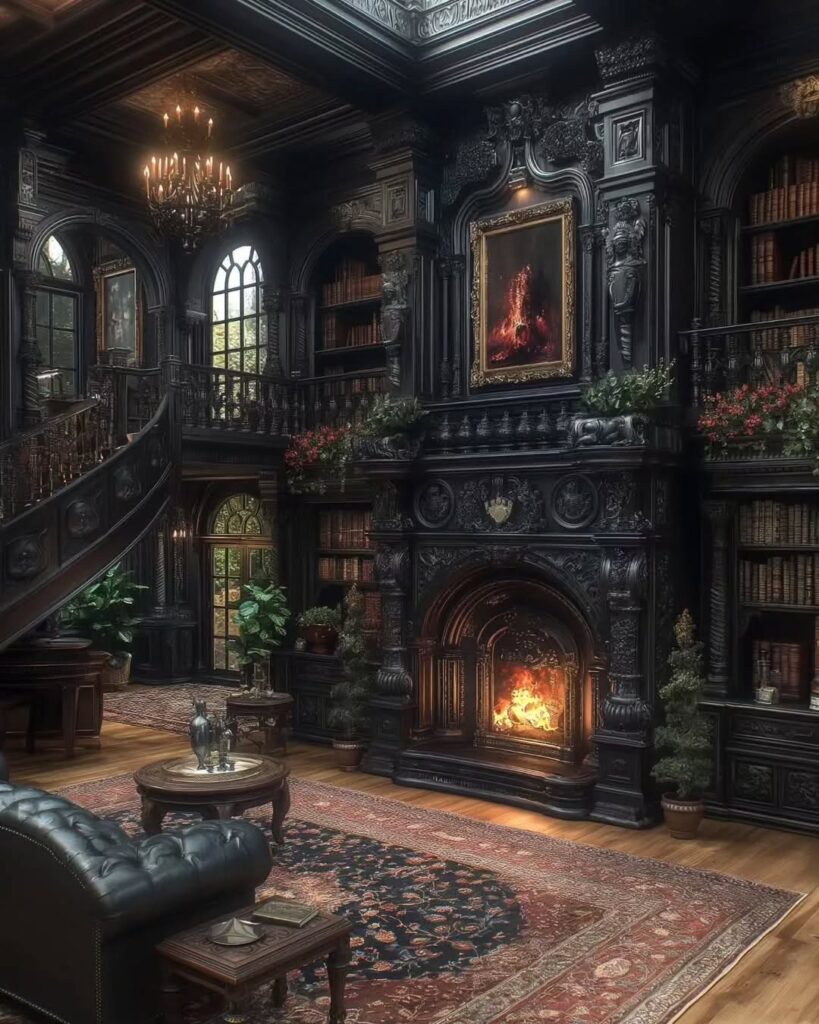
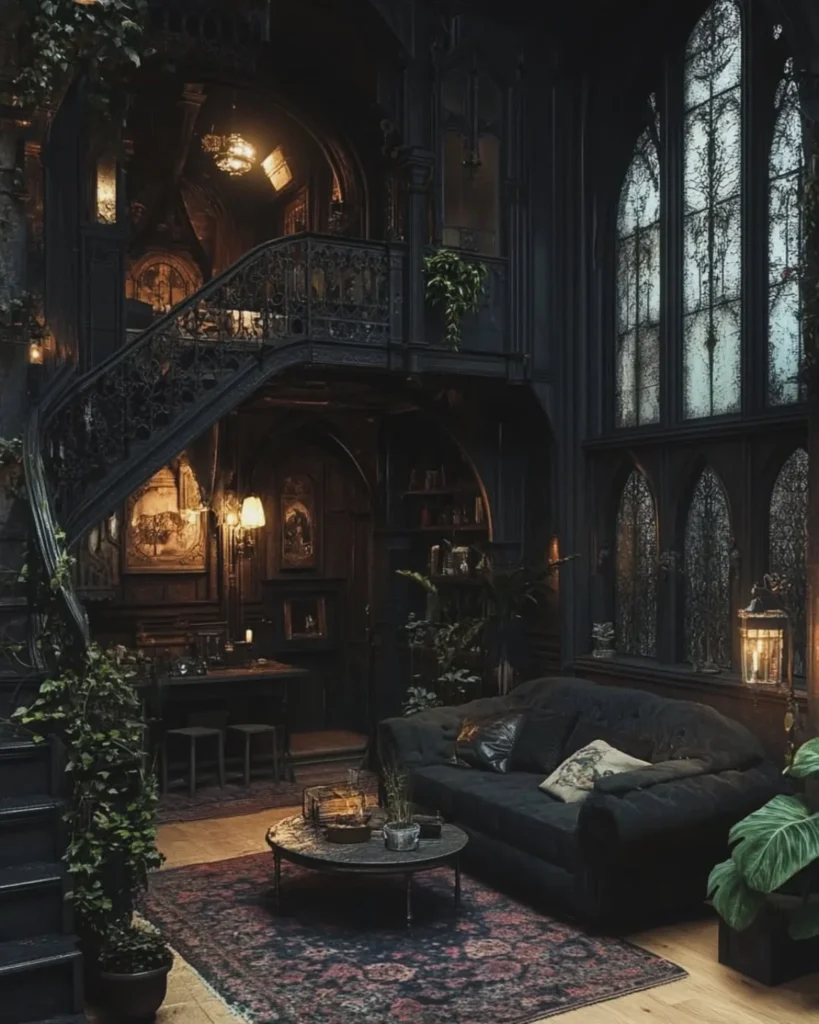
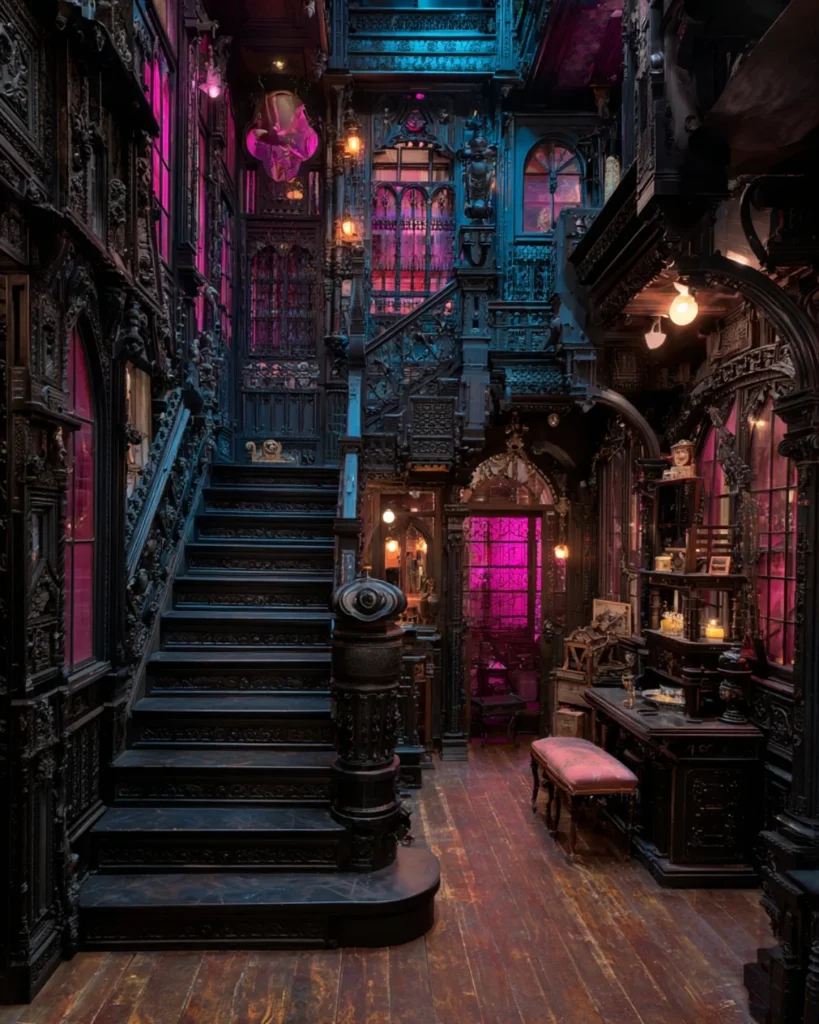
Some mansions embrace full Victorian excess — think crimson velvet, gilded mirrors, and grand marble staircases spiraling beneath crystal chandeliers. Others strip Gothic down to its elegant bones: exposed stone walls, black steel doors, and soaring vertical lines that draw the eye heavenward. You’ll see secret spiral staircases hidden behind bookcases, rooftop observatories crowned with copper domes gone green with age, private chapels with ribbed vaulting, wine cellars that feel like ancient crypts, and outdoor courtyards where Gothic arches frame reflecting pools and rose gardens.
This gallery is more than a collection of pretty pictures — it is a treasury of inspiration. Whether you dream of restoring a historic Gothic pile, building a brand-new fantasy manor, or simply infusing your current home with Gothic drama, these 42 designs will ignite your imagination and prove that Gothic architecture remains one of the most powerful and versatile styles in the world.
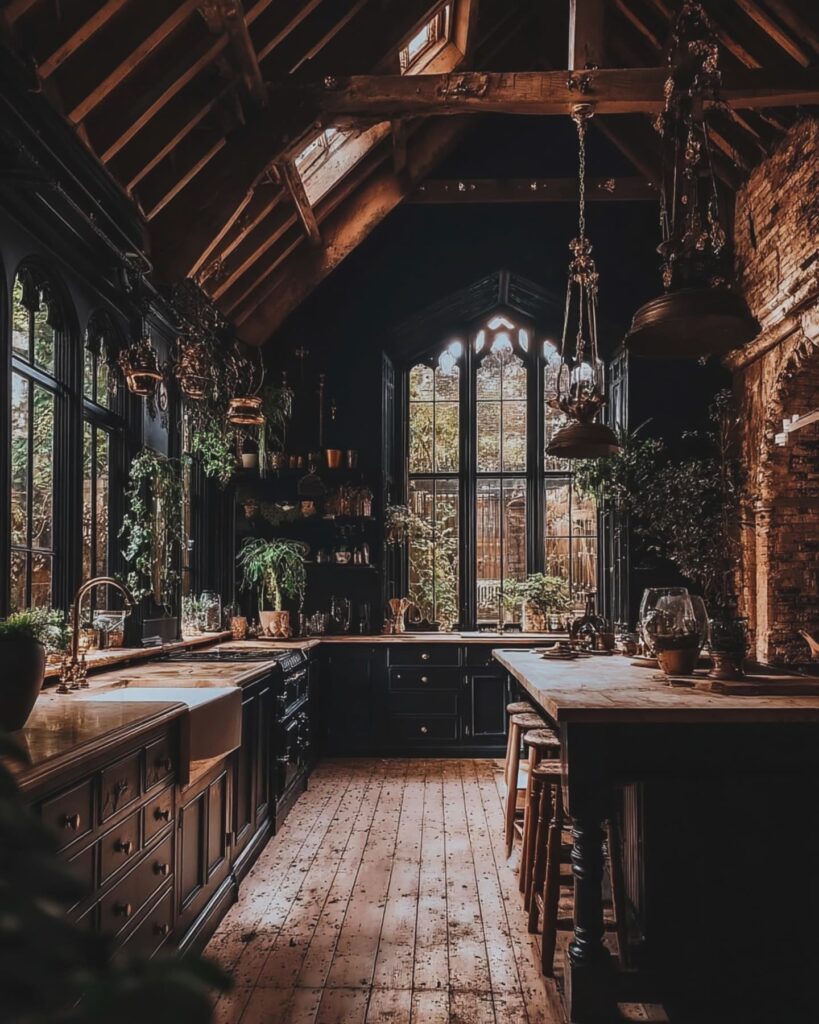
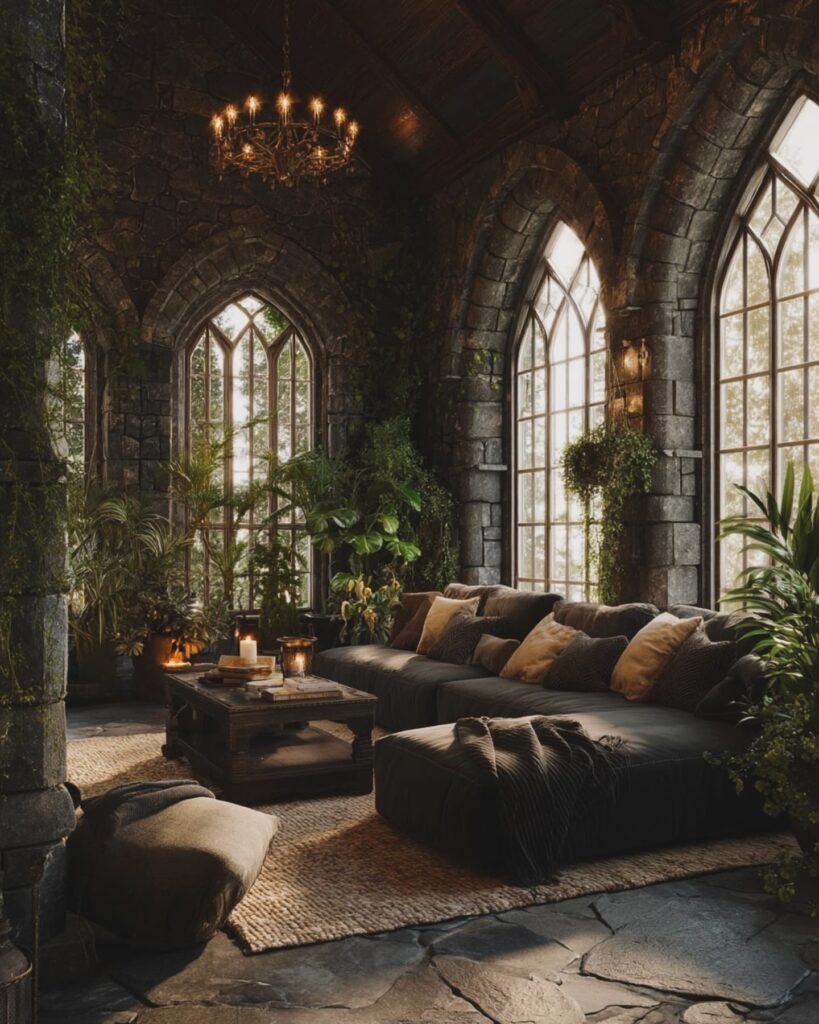
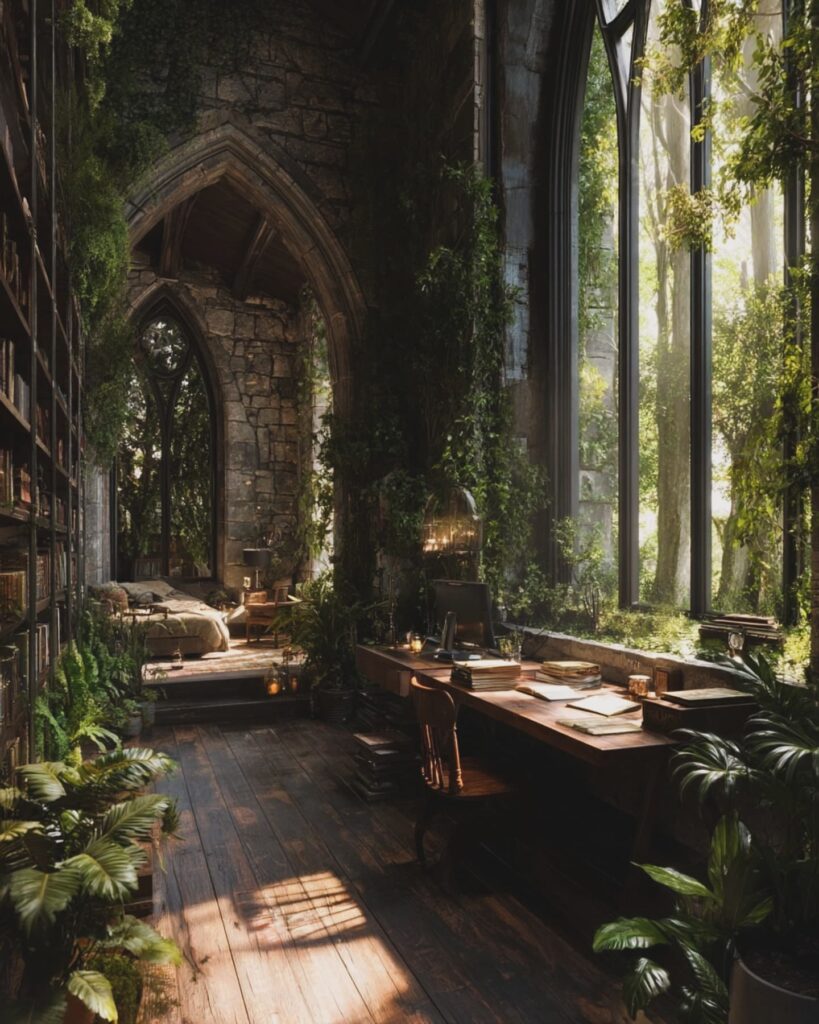
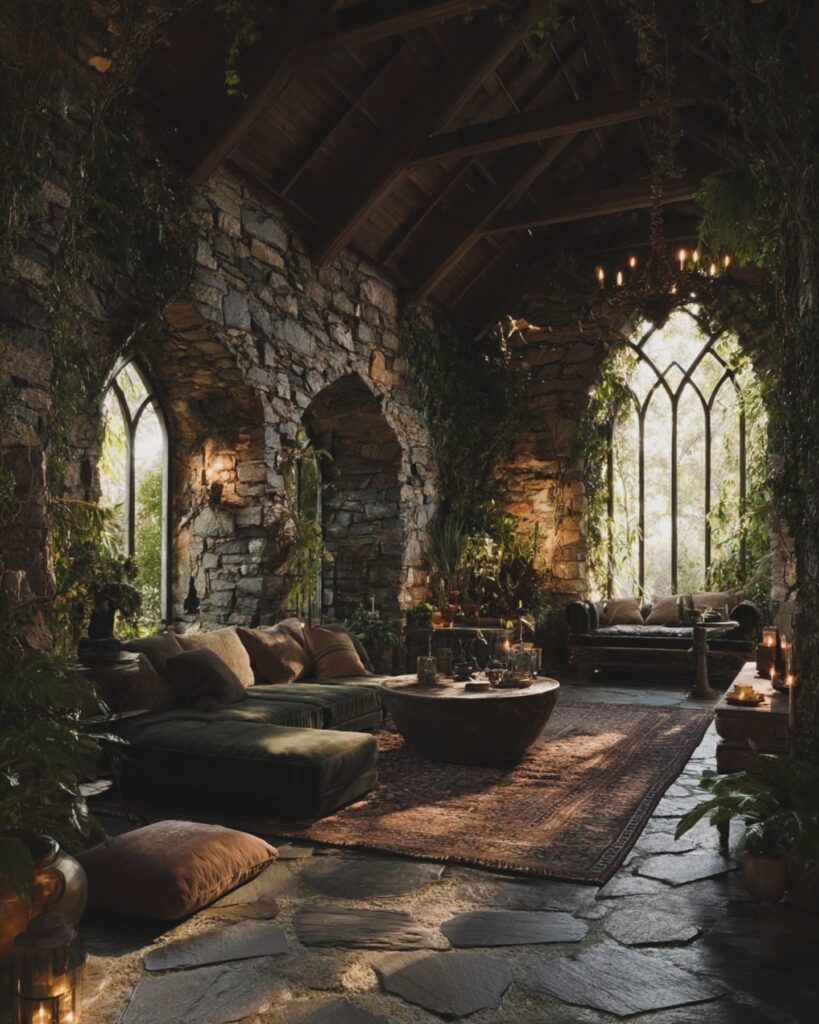
Core Elements That Define Gothic Mansion Design
Every true Gothic mansion — historic or modern — shares certain signature features:
- Pointed Arches: The hallmark of Gothic architecture, creating height and elegance.
- Ribbed Vaulting: Intricate ceiling patterns that allow for larger windows and lighter structures.
- Flying Buttresses: External supports that permit thinner walls and expansive stained glass.
- Ornate Tracery: Delicate stone latticework in windows and balconies.
- Pinnacles & Finials: Decorative spikes that emphasize verticality.
- Gargoyles & Grotesques: Functional rain spouts and decorative mythical creatures.
- Tall, Narrow Windows: Often grouped in threes or fives, topped with pointed arches.
- Turrets, Towers & Battlements: Adding romance and a sense of fortified grandeur.
- Quatrefoils, Trefoils & Rose Windows: Circular windows with petal-like divisions.
- Dark Stone or Brick with Light Stone Accents: Creating dramatic contrast.
Modern Gothic mansions often reinterpret these elements using steel, concrete, and glass while preserving the dramatic silhouette and spiritual upward thrust that makes the style so unforgettable.
Popular Variations of Gothic Mansion Style
1. Medieval Gothic (12th–15th century authentic)
Pure historical restorations or meticulous recreations with rough-hewn stone, arrow-slit windows, and great halls.
2. Victorian Gothic Revival
Ornate, colorful, and slightly fantastical — the style of Downton Abbey mansions and American castles.
3. Collegiate Gothic
Think Ivy League universities translated into private homes: symmetrical, scholarly, and stately.
4. Carpenter Gothic
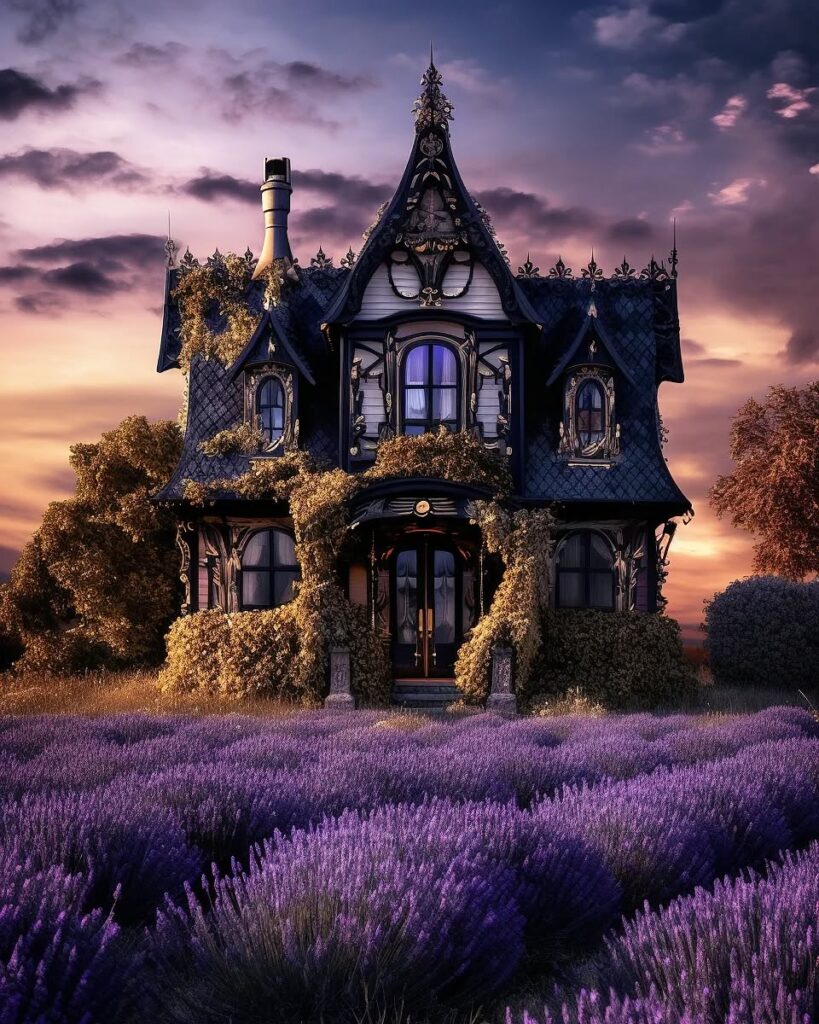
Wooden American interpretation with lacy gingerbread tracery and steep gables.
5. Neo-Gothic / Contemporary Gothic
Clean lines, dark palettes, and dramatic lighting — often seen in luxury villas and celebrity homes.
6. Gothic Fantasy
Unrestrained imagination: dragon-shaped gutters, hidden dungeons, and throne rooms.
7. Eco-Gothic
Sustainable materials, solar tracery panels disguised as stained glass, and living walls climbing ancient-looking stone.
Interior Design Secrets of Gothic Mansions
The inside of a Gothic mansion should feel like stepping into a cathedral crossed with a luxurious private castle:
- Soaring double- or triple-height entrance halls with grand staircases
- Dark wood paneling (often oak or walnut) carved with linenfold or Gothic tracery
- Massive stone or brick fireplaces with heraldic carvings
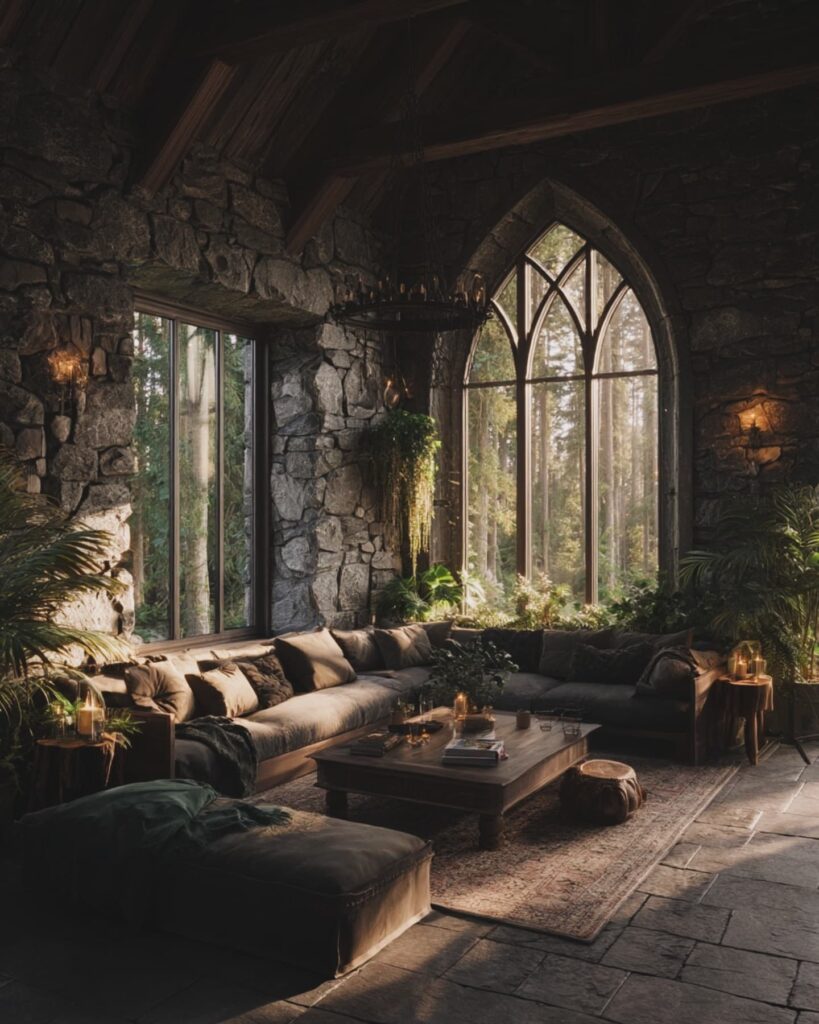
- Leaded and stained-glass windows casting jewel-toned light
- Vaulted or hammer-beam ceilings
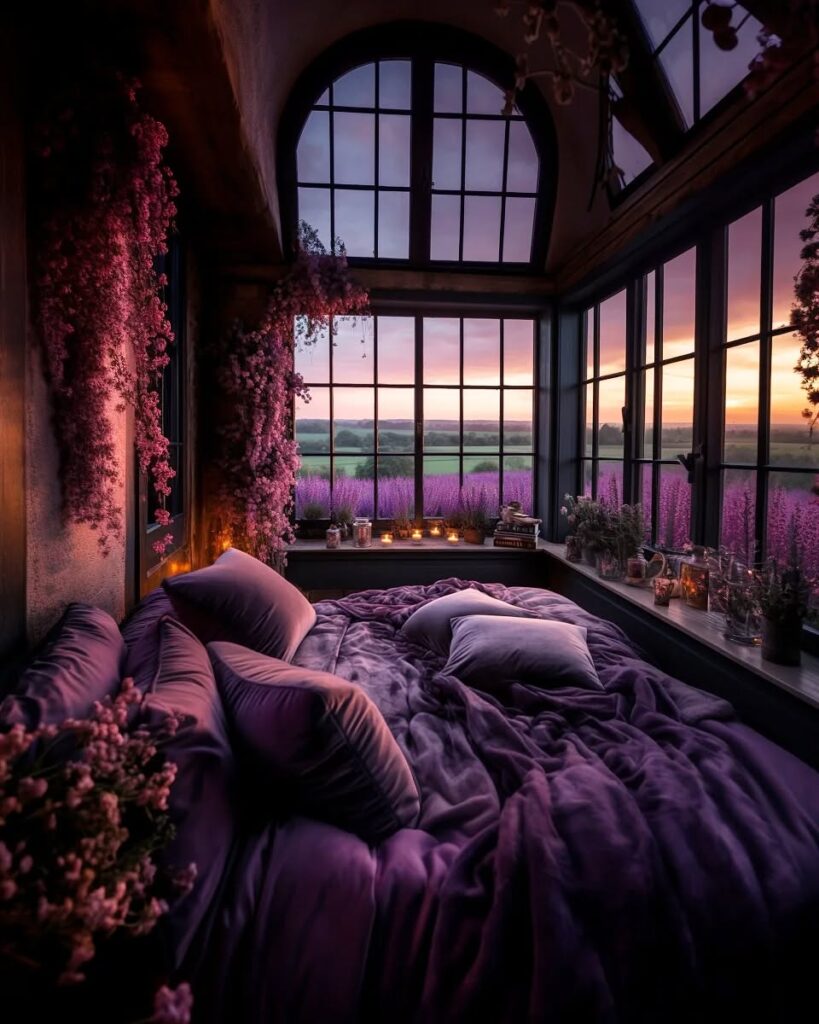
- Four-poster beds with heavy velvet drapery, and antique tapestries
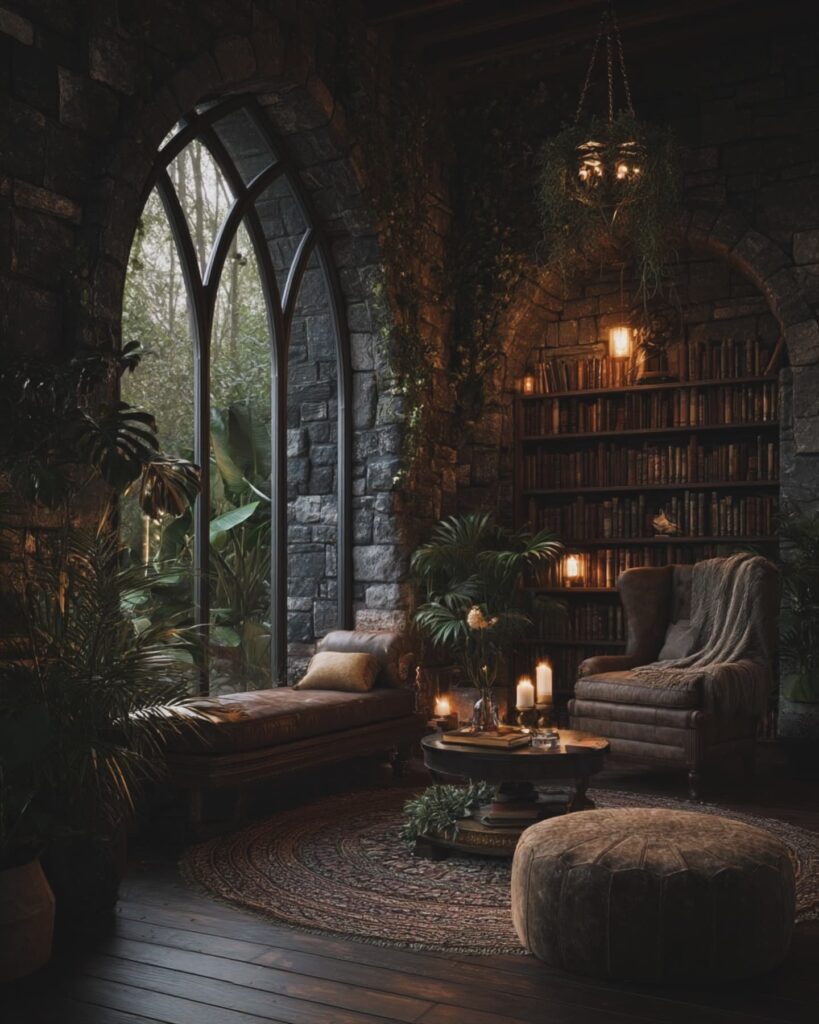
- Libraries lined with leather-bound books and rolling ladders
- Moody lighting from wrought-iron chandeliers and wall sconces
- Secret doors, priest holes, and hidden passages (even in new builds!)
Modern Gothic interiors often lighten the palette with white or gray-washed stone, but the drama remains.
Practical Considerations When Building or Buying a Gothic Mansion
- Heritage restrictions (many authentic Gothic mansions are protected)
- Heating enormous volumes of space efficiently
- Maintaining centuries-old stonework or replicating it authentically
- Accessibility (spiral staircases and multiple levels can be challenging)
- Natural light (clever window placement is crucial)
- Blending modern kitchens and bathrooms without destroying the atmosphere
- Security (turrets make excellent panic rooms!)
Benefits of Living in a Gothic Mansion
- Unmatched architectural drama and curb appeal
- Sense of history, romance, and fantasy every single day
- Excellent acoustics for music rooms and home theaters
- Natural temperature regulation from thick stone walls
- Privacy and seclusion (castles were built to keep the world out)
- Strong resale value among niche luxury buyers
- Perfect backdrop for events, weddings, and film locations
Challenges to Expect
- High maintenance and restoration costs
- Heating bills in winter (unless modern insulation is added)
- Echoes and cold stone floors
- Dust collection in ornate carvings
- Limited natural light in some older designs
- Neighbors may think you’re a vampire (embrace it)
Verdict: Is a Gothic Mansion Right for You?
If the thought of waking up beneath a vaulted ceiling, walking down a stone corridor lit by stained-glass light, and hosting candlelit dinners in a great hall sets your heart racing — then yes, a Gothic mansion is not just a house, it is a lifestyle. These are homes for dreamers, storytellers, artists, and anyone who refuses to live an ordinary life.
While the upkeep can be demanding and the initial investment significant, the reward is a dwelling that feels like the setting of your own personal legend. The 42 Gothic mansion designs showcased here prove that whether you prefer brooding medieval authenticity or sleek contemporary drama, the Gothic architecture offers endless ways to make a powerful, unforgettable statement.
Step into the shadows. Claim your castle. The gates are waiting.
Frequently Asked Questions About Gothic Mansion Designs
- Are Gothic mansions dark and gloomy inside?
Not necessarily. Authentic medieval Gothic used huge stained-glass windows to flood interiors with colored light. Modern Gothic mansions often add skylights and strategically placed glazing. - Can I build a brand-new Gothic mansion today?
Absolutely. Many architects specialize in neo-Gothic design using modern materials that mimic medieval stone and timber while offering superior insulation and durability. - What is the most famous Gothic mansion in the world?
Candidates include Neuschwanstein Castle (Germany), Château de Pierrefonds (France), Lyndhurst (New York), and Casa Loma (Toronto). - How much does it cost to restore a historic Gothic mansion?
Depending on size and condition, restoration can range from several million to tens of millions of dollars. New neo-Gothic builds often start at $500–$1,200 per square foot for high-end finishes. - Are Gothic mansions energy efficient?
Historic ones usually are not, but contemporary Gothic designs frequently achieve excellent efficiency through thick insulated stone or faux-stone cladding, triple glazing, geothermal heating, and solar panels hidden in rooflines. - Do Gothic mansions have to be gray or black?
Traditional Gothic uses local stone (often light limestone or sandstone). Modern interpretations embrace charcoal, black, deep green, and even whitewashed Gothic for a brighter look. - Can I add modern extensions to an old Gothic mansion?
Yes, but work with a conservation architect to ensure additions respect the original silhouette and materials. “Stealth” glass extensions that disappear visually are popular. - Why do so many Gothic mansions have towers and turrets?
Originally for defense and status. Today they house spiral staircases, observatories, home offices, or simply provide the joy of climbing to a private lookout over your kingdom.
Embrace the drama. Live the legend. A Gothic mansion isn’t just a home — it’s a statement that will echo through centuries.