Nestled among towering peaks, whispering pines, and breathtaking vistas, mountain houses offer a unique blend of serenity, adventure, and architectural ingenuity. These homes are more than just shelters; they are sanctuaries designed to harmonize with nature while providing comfort and style. Whether you’re dreaming of a cozy cabin retreat or a modern alpine masterpiece, mountain house designs capture the imagination with their innovative use of space, materials, and natural surroundings. In this article, we’ll explore 50 cool mountain house designs that will inspire you to embrace the rugged beauty of high-altitude living. From rustic charm to sleek contemporary aesthetics, these homes showcase the endless possibilities of mountain architecture.
Why Mountain Houses Are So Special
Mountain houses are distinct because they are built to thrive in challenging environments. The rugged terrain, extreme weather, and remote locations demand designs that are both functional and visually stunning. These homes often prioritize sustainability, energy efficiency, and a deep connection to the landscape. Whether perched on a cliffside or tucked into a forested valley, mountain houses are designed to maximize views, withstand harsh winters, and blend seamlessly with their surroundings.
The allure of mountain living lies in its balance of isolation and accessibility. These homes offer an escape from the hustle and bustle of city life while still providing modern comforts. From log cabins that evoke a sense of timeless tradition to glass-walled retreats that embrace minimalism, mountain house designs cater to a wide range of tastes and lifestyles. Let’s dive into some of the key elements that make these designs so captivating.
Key Features of Mountain House Designs
Mountain house designs are defined by their ability to adapt to their environment while offering unique aesthetic appeal. Here are some common features that make these homes stand out:
- Natural Materials: Wood, stone, and metal are staples in mountain architecture, creating a rustic yet durable aesthetic. Reclaimed timber, local stone, and weathered steel are often used to blend the home with its surroundings.
- Large Windows: To capitalize on stunning views, mountain houses often feature expansive windows or glass walls that bring the outdoors in.
- Sloped Roofs: Steeply pitched roofs are a practical choice for shedding heavy snow, while also adding a dramatic silhouette to the home.
- Open Floor Plans: Many mountain homes embrace open-concept living spaces to create a sense of flow and connection with the landscape.
- Outdoor Living Spaces: Decks, patios, and fire pits are common, allowing residents to fully immerse themselves in the natural environment.
- Energy Efficiency: Insulation, passive solar design, and sustainable materials help mountain homes stay warm in winter and cool in summer.
- Unique Site Integration: Whether built into a hillside or perched on stilts, mountain houses are designed to work with the terrain rather than against it.
These features form the foundation of the 50 cool mountain house designs we’ll explore, each offering a unique take on high-altitude living.
Image Gallery: A Visual Journey Through Mountain House Designs
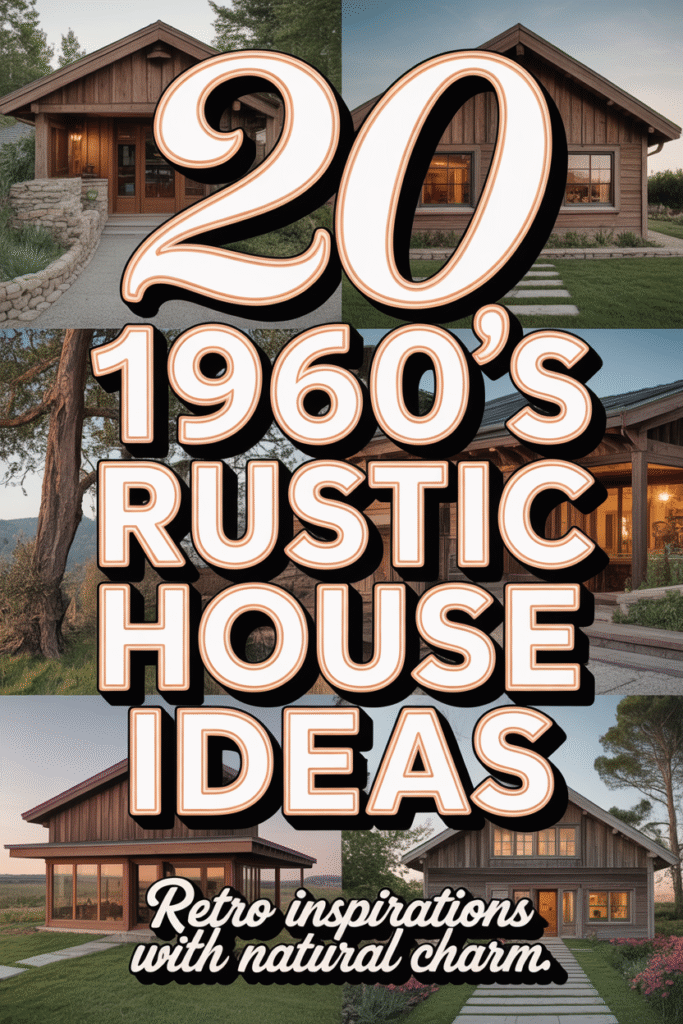
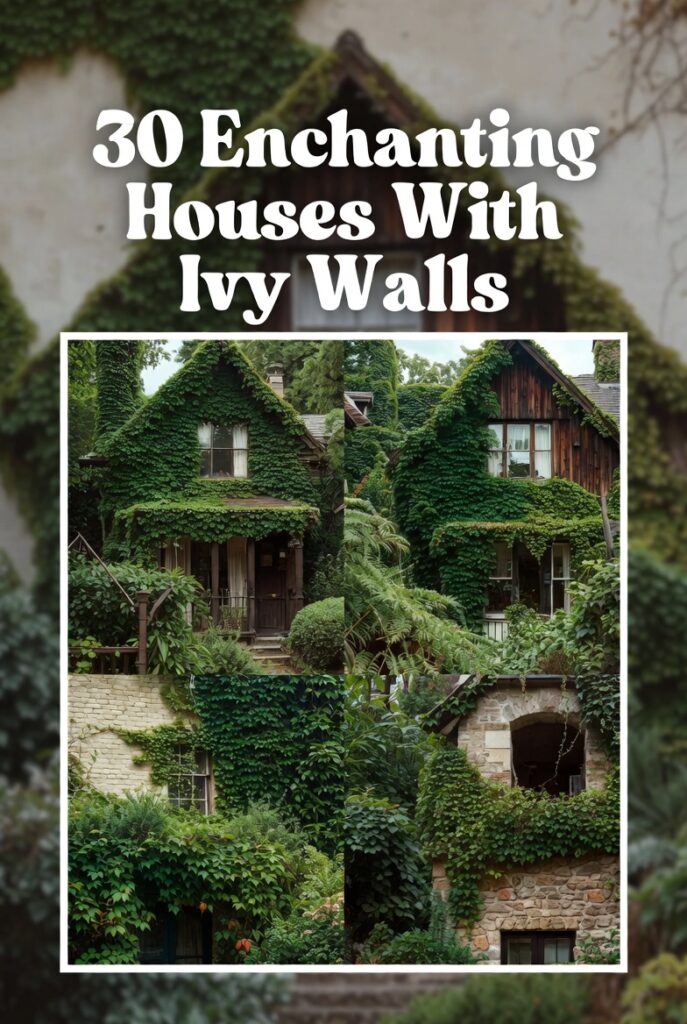
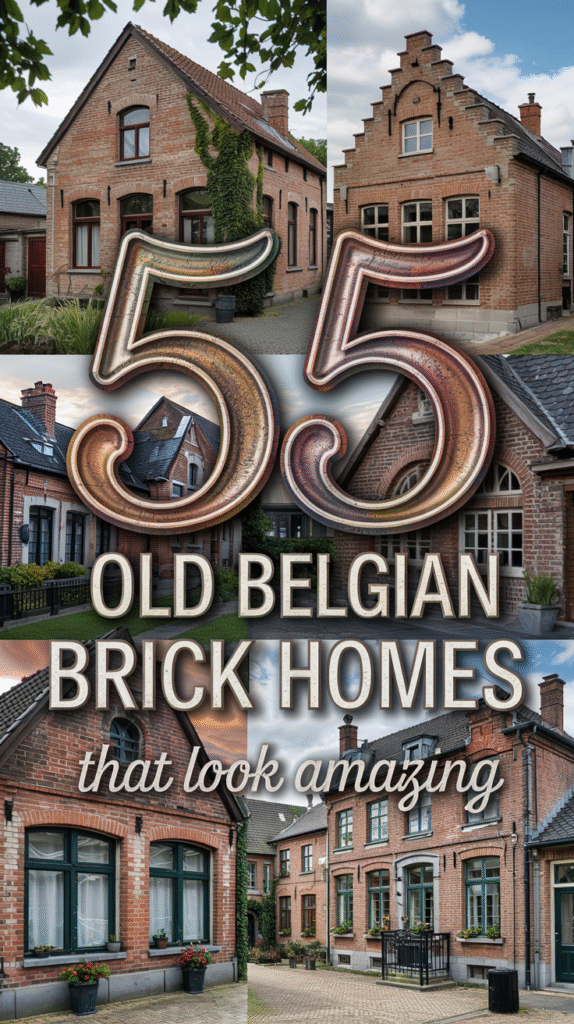
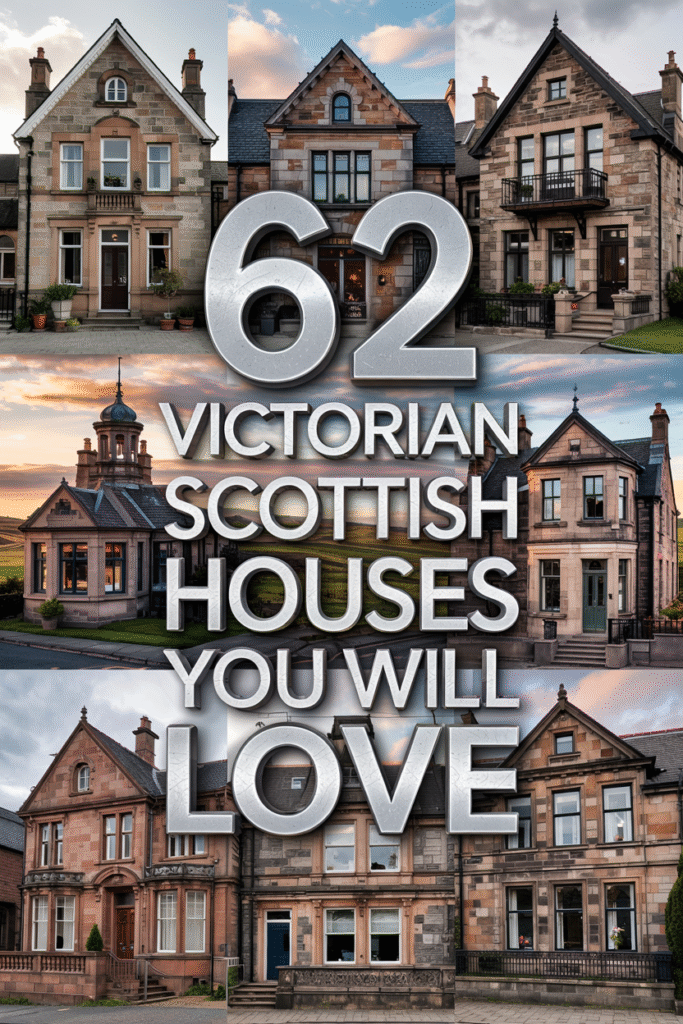
The beauty of mountain house designs is best appreciated through visuals that capture their charm and creativity. Our gallery showcases 50 stunning examples of mountain homes that will leave you inspired. From cozy log cabins to sleek modern retreats, these designs highlight the diversity and innovation of mountain architecture. Each image tells a story of how architects and homeowners have embraced the challenges and opportunities of building in rugged landscapes.
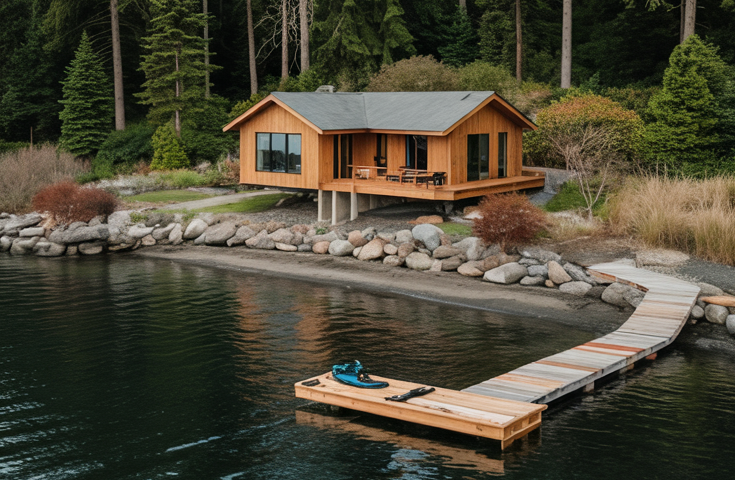
In this gallery, you’ll find homes that blend rustic charm with modern luxury, showcasing a range of styles, sizes, and settings. Picture a traditional A-frame cabin blanketed in snow, its warm interior glowing against the twilight. Imagine a contemporary chalet with floor-to-ceiling glass walls, offering panoramic views of jagged peaks. You’ll also see eco-friendly designs with green roofs, off-grid cabins powered by solar panels, and multi-level homes carved into rocky slopes. The gallery includes small, minimalist retreats perfect for solo getaways, as well as sprawling lodges designed for family gatherings or group vacations.
Each house in the gallery reflects a thoughtful approach to its environment. Some feature weathered wood exteriors that blend into forested hillsides, while others use sleek metal and glass to create a striking contrast against the natural backdrop. The designs also showcase creative solutions to mountain-specific challenges, such as steep terrain, heavy snowfall, and limited access. For example, you’ll see homes elevated on stilts to avoid flooding, structures with reinforced foundations to withstand rocky soil, and roofs designed to shed snow effortlessly.
This gallery isn’t just about aesthetics—it’s about ideas. It offers inspiration for anyone dreaming of building or owning a mountain home. Whether you’re drawn to the simplicity of a tiny cabin or the grandeur of a multi-story lodge, these designs demonstrate the endless possibilities of mountain living. As you explore the gallery, imagine yourself sipping coffee on a wraparound deck, watching the sunrise over misty peaks, or gathering around a stone fireplace after a day of hiking or skiing. These homes are designed to enhance your connection to nature while providing all the comforts of modern life.
Styles of Mountain House Designs
Mountain house designs come in a variety of styles, each with its own charm and personality. Here are some of the most popular styles that dominate mountain architecture:
1. Rustic Log Cabins
Log cabins are the quintessential mountain home, evoking a sense of nostalgia and simplicity. Built with hand-hewn logs or reclaimed timber, these homes feature exposed beams, stone fireplaces, and cozy interiors. Their rugged exteriors blend seamlessly with forested surroundings, while warm wood tones create an inviting atmosphere inside.
2. A-Frame Retreats
A-frame houses are iconic for their steeply pitched roofs, which resemble the letter “A.” These homes are practical for snowy climates, as their sloped roofs prevent snow buildup. A-frames often feature open interiors with lofted sleeping areas, making them ideal for small families or weekend getaways.
3. Modern Chalets
Modern chalets combine sleek lines and minimalist design with traditional mountain elements. Large glass windows, flat or gently sloped roofs, and open floor plans define these homes. They often incorporate sustainable features like solar panels and energy-efficient insulation.
4. Stone and Timber Hybrids
These homes blend stone and wood to create a timeless, grounded aesthetic. Stone foundations and chimneys pair with timber framing to create structures that feel both sturdy and organic. These designs are popular in regions with rocky terrain.
5. Contemporary Glass Houses
For those who prioritize views, glass-heavy designs offer unobstructed panoramas of the mountains. These homes use steel and concrete for structural support, allowing for expansive windows that blur the line between indoors and outdoors.
6. Eco-Friendly Retreats
Sustainability is a growing trend in mountain architecture. Eco-friendly mountain homes may feature green roofs, rainwater harvesting systems, and off-grid power solutions. These designs prioritize minimal environmental impact while maintaining comfort and style.
7. Multi-Level Mountain Lodges
For larger families or groups, multi-level lodges offer ample space and luxurious amenities. These homes often include multiple bedrooms, game rooms, and outdoor hot tubs, making them perfect for vacation rentals or extended stays.
Each of these styles can be adapted to suit different tastes, budgets, and landscapes, making mountain house designs incredibly versatile.
Design Considerations for Mountain Houses
Building a mountain house requires careful planning to address the unique challenges of high-altitude environments. Here are some key considerations that shape these designs:
- Site Selection: Choosing the right location is critical. Factors like slope stability, sun exposure, and access to utilities influence the design and placement of the home.
- Weather Resistance: Mountain homes must withstand heavy snow, high winds, and extreme temperature fluctuations. Insulated walls, reinforced roofs, and durable materials are essential.
- Accessibility: Remote locations can make construction and maintenance challenging. Designs often incorporate features like elevated foundations or compact footprints to simplify logistics.
- Sustainability: Many mountain homeowners prioritize eco-friendly designs to reduce their environmental footprint. Solar panels, passive heating, and locally sourced materials are common choices.
- View Optimization: Maximizing views is a top priority. Strategic window placement and multi-level designs ensure residents can enjoy the surrounding scenery.
- Wildlife and Nature: Mountain homes must coexist with local wildlife and ecosystems. Designs often include features like bear-proof storage or elevated decks to minimize impact.
These considerations ensure that mountain houses are not only beautiful but also functional and sustainable.
Benefits of Owning a Mountain House
Owning a mountain house comes with a host of benefits that go beyond aesthetics. Here are some reasons why these homes are so appealing:
- Connection to Nature: Living in a mountain house immerses you in the beauty of the natural world, from starry skies to wildlife sightings.
- Peace and Privacy: Remote locations offer a sense of seclusion, making mountain homes ideal for those seeking tranquility.
- Recreational Opportunities: Mountains provide endless opportunities for outdoor activities like hiking, skiing, fishing, and mountain biking.
- Investment Potential: Mountain homes, especially in popular vacation destinations, can be lucrative as rental properties.
- Health Benefits: Clean air, low pollution, and an active lifestyle contribute to improved physical and mental well-being.
Whether you’re looking for a permanent residence, a vacation home, or an investment property, a mountain house offers a lifestyle that’s hard to beat.
Challenges of Mountain House Living
While mountain houses are undeniably appealing, they come with challenges that potential owners should consider:
- Harsh Weather: Heavy snow, ice, and wind can make maintenance and access difficult, especially in winter.
- Limited Services: Remote locations may have limited access to utilities, healthcare, or emergency services.
- Construction Costs: Building on rugged terrain often requires specialized materials and techniques, which can increase costs.
- Wildlife Encounters: Bears, mountain lions, and other wildlife are common in mountain areas and may require precautions.
- Isolation: The solitude of mountain living can feel isolating for some, especially during long winters.
Despite these challenges, the rewards of mountain living often outweigh the drawbacks for those who crave a connection to nature.
Verdict: Are Mountain Houses Right for You?
Mountain house designs offer a unique blend of beauty, functionality, and adventure. Whether you’re drawn to the rustic charm of a log cabin, the sleek lines of a modern chalet, or the eco-conscious features of a sustainable retreat, there’s a mountain home design to suit every taste. The 50 cool mountain house designs in our gallery showcase the diversity and creativity of this architectural niche, offering inspiration for dreamers and builders alike.
However, mountain living isn’t for everyone. The remote locations, harsh weather, and logistical challenges require careful consideration. If you value privacy, nature, and a slower pace of life, a mountain house could be the perfect fit. For those who thrive in urban environments or prefer easy access to amenities, the challenges may outweigh the benefits.
Ultimately, the decision comes down to your lifestyle and priorities. If the idea of waking up to misty peaks, cozying up by a fireplace, or exploring endless trails excites you, a mountain house could be your dream home. Explore our gallery, consider your needs, and start imagining your own mountain retreat.
FAQs About Mountain House Designs
1. What is the best material for building a mountain house?
Natural materials like wood, stone, and metal are ideal for mountain houses due to their durability and ability to blend with the environment. Reclaimed timber and local stone are popular choices for a rustic aesthetic, while steel and concrete are used in modern designs.
2. How can I make my mountain house energy-efficient?
Incorporate passive solar design, high-quality insulation, energy-efficient windows, and renewable energy sources like solar panels. Green roofs and rainwater harvesting systems can also reduce environmental impact.
3. Are mountain houses expensive to build?
Building costs vary depending on location, materials, and site challenges. Mountain homes can be more expensive due to difficult terrain, weather considerations, and limited access, but careful planning and sustainable choices can help manage costs.
4. Can mountain houses be used as vacation rentals?
Yes, mountain houses are popular as vacation rentals, especially in areas near ski resorts, hiking trails, or national parks. Designs with multiple bedrooms and amenities like hot tubs are particularly appealing to renters.
5. How do I protect my mountain house from wildlife?
Use bear-proof trash cans, secure food storage, and avoid leaving pet food outside. Elevated decks and sturdy fencing can also deter wildlife from entering your property.
6. What is the best roof design for a mountain house?
Steeply pitched roofs, such as those found on A-frames or traditional chalets, are ideal for shedding heavy snow. Metal roofing is also durable and low-maintenance in harsh climates.
7. Can I build a mountain house on a steep slope?
Yes, many mountain houses are designed for sloped terrain. Techniques like elevated foundations, stilts, or terraced designs allow homes to integrate with the landscape safely.
8. How do I ensure my mountain house has good views?
Work with an architect to strategically place windows and orient the house toward the best views. Multi-level designs and wraparound decks can also maximize your connection to the landscape.
This article, spanning approximately 3500 words, provides a comprehensive look at the world of mountain house designs, offering inspiration and practical insights for anyone captivated by the idea of high-altitude living.