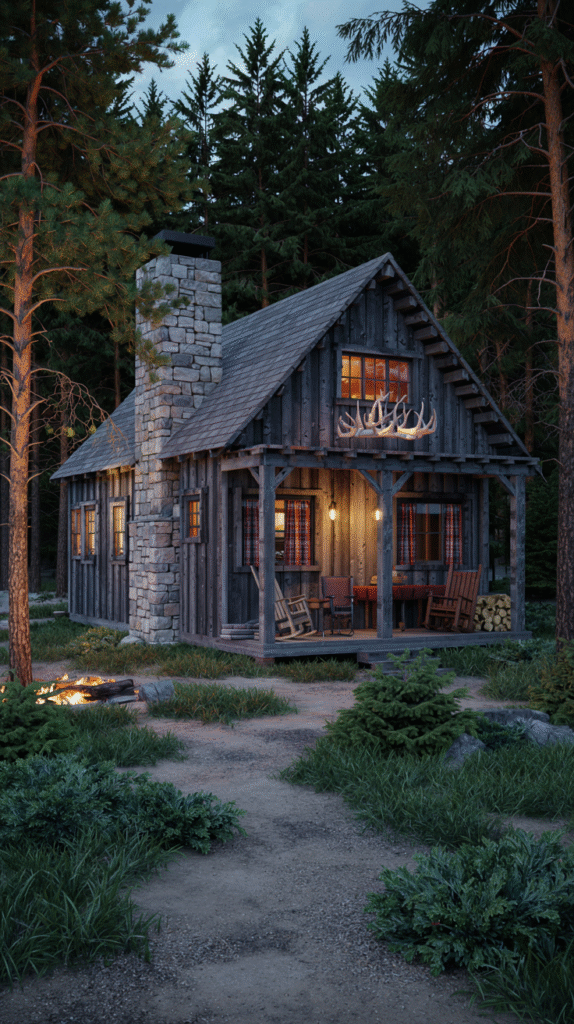
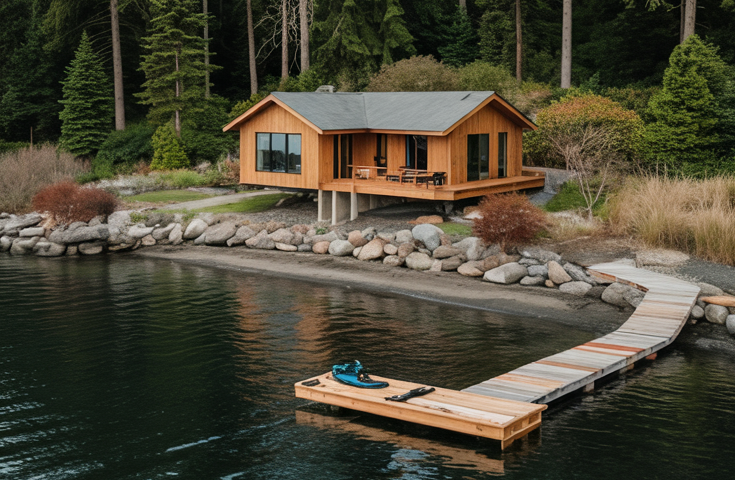

As we stand on the cusp of 2026, the homes of tomorrow are no longer confined to science fiction—they’re being built today, blending cutting-edge technology, sustainable innovation, and human-centered design to redefine how we live. 27 visionary futuristic house designs highlight groundbreaking projects that are not just structures but blueprints for the future, influencing global trends in architecture and interior spaces. From modular homes that adapt like living organisms to zero-energy dwellings that harmonize with nature, these designs address pressing challenges like climate change, urbanization, and the desire for personalized, wellness-focused environments. Drawing from recent showcases at events like Dubai Design Week and High Point Market, as well as insights from architects like those at Tropical Space and Delmulle Delmulle Architecten, this article explores how these visionary concepts are shaping 2025’s architectural landscape and beyond. Whether inspired by brutalist echoes in desert refuges or AI-integrated smart ecosystems, these houses promise a world where living is sustainable, intuitive, and profoundly beautiful.
The Dawn of Futuristic Home Design: A Historical and Cultural Shift
Futuristic house design has roots in the mid-20th century’s space age optimism, when architects like Buckminster Fuller envisioned geodesic domes as symbols of progress. The 1960s and 1970s saw experimental structures like the Maison de l’Avenir in France, with its rounded, pod-like forms anticipating modular living. Fast-forward to 2025, and the narrative has evolved: post-pandemic priorities emphasize resilience, with a 40% rise in demand for adaptable homes per Houzz’s 2025 trends report. Global events like COP29 have accelerated sustainability, pushing for net-zero designs that use AI for energy optimization. Culturally, influences range from Soviet brutalism’s raw honesty to California’s retro-futurism, as seen in Anastasiya Dudik’s Pioneertown house—a brutalist-inspired refuge evoking Soviet memories while embracing desert futurism. Today’s visionary homes integrate biophilic elements (nature indoors), modular construction (prefab efficiency), and smart systems (voice-activated ecosystems), responding to urbanization—by 2050, 68% of the world will live in cities, per UN estimates. These designs aren’t mere novelties; they’re solutions, shaping trends like warm wood revivals and multifunctional spaces that prioritize wellness over excess.
27 Visionary Futuristic House Designs
Here are 27 standout designs shaping trends, drawn from 2025’s architectural highlights:


Preparation: Key Considerations for Visionary Home Builds
Embarking on a futuristic house design requires meticulous planning. Start with site analysis: solar orientation for passive energy, soil stability for foundations, and local regulations for off-grid features. Budgets vary—modular homes like those from Blu Homes start at $300,000, while custom visions like the Klein Bottle House exceed $1 million. Engage multidisciplinary teams: architects for form, engineers for tech integration, and sustainability consultants for net-zero certification. Materials matter: use cross-laminated timber (CLT) for carbon-sequestering strength or aerogels for ultra-insulation. Tech integration demands foresight—plan for IoT hubs early to avoid retrofitting. Finally, prioritize human scale: even in bold designs, incorporate cozy nooks for emotional well-being. With preparation, your visionary home becomes a trendsetter, blending innovation with inhabitability.
Structural Innovations: Redefining Form and Function
Modular and Prefab Pioneers
Modularity is 2025’s cornerstone, with designs like Francesco Rota’s expandable seating systems inspiring homes that grow with needs. The Termitary House by Tropical Space in Vietnam uses rammed earth blocks for breathable, adaptable walls, exemplifying how prefab reduces waste by 90%.
Biophilic and Organic Shapes
Curved forms dominate, as in the Glass Brick House by Delmulle Delmulle Architecten in Ghent, where glass bricks create light-filled, flowing spaces. Organic architecture, echoing Frank Lloyd Wright, uses undulating walls to mimic nature, promoting mental health.
Elevated and Cantilevered Visions
Homes like the House in Takamatsu by Yasunari Tsukada Design in Japan cantilever over landscapes, maximizing views while minimizing footprint. These designs, often on stilts, combat flooding—a rising concern with climate change.
Material Revolutions: Sustainable and Sensory
Earthy and Textured Palettes
2025 favors “warmth” with dark woods like walnut and mahogany, per Lauren Saab of Saab Studios. The Stone House by Tuñón Architects in Cáceres, Spain, uses local stone for thermal mass, blending rustic texture with futuristic efficiency.
Smart and Adaptive Fabrics
Fabrics like cork and bamboo, highlighted in Dwell’s trends, offer antimicrobial, breathable surfaces. Pierre Paulin’s F300 revival for Desalto incorporates modular seating with sustainable upholstery, merging retro-futurism with eco-innovation.
Metallic and Reflective Finishes
Silver’s resurgence, as noted by García, adds sleek modernity. The Klein Bottle House on Australia’s Mornington Peninsula uses reflective metals for a Möbius-strip illusion, symbolizing infinite adaptability.
Interior Dynamics: Spaces That Evolve
Multifunctional and Wellness-Focused Zones
Houzz’s 2025 report emphasizes smaller, human-scaled homes with wellness features like saunas. The Hanok Heritage House in South Korea reinterprets traditional hanok with underfloor heating and feng shui courtyards for harmonious living.
Tech-Integrated Sanctuaries
Smart homes like those from Think Architecture embed AI for predictive comfort—adjusting lights based on mood. The Bubble Palace in France, with its rotating floors, prefigures adaptive interiors that shift with users.
Artful and Narrative Interiors
Burdifilek’s Toronto philanthropic home uses ultra-luxurious materials and contemporary art to foster community. Aidlin Darling Design’s agrarian-inspired dwellings layer sustainable elements with personal narratives.
Budget and Practical Tips
Visionary homes range from $300,000 modular kits to $2 million custom builds. Start with prefab for affordability; incorporate trends like cork cladding for sustainability. Pitfalls: over-tech (focus on user-friendly), ignoring site (adapt to climate).
FAQ: Visionary Futuristic House Designs
What’s the top trend for 2025?
Warm, textured materials like dark woods and cork for human-centric wellness.
Are these homes affordable?
Modular options start at $300/sq ft; custom visions scale up.
How do they promote sustainability?
Net-zero features like rammed earth and solar-integrated designs.
Can I retrofit existing homes?
Yes, add modular extensions or smart layers.
Future-proofing tips?
Prioritize adaptability and biophilia for longevity.
Final Verdict: Homes of Tomorrow, Built Today
27 visionary futuristic house designs herald a new era where architecture serves humanity and planet alike. From Tropical Space’s earthen modularity to Delmulle’s light-filled bricks, these projects blend bold innovation with timeless warmth, shaping trends that prioritize resilience and joy. Embrace them to create spaces that evolve with you—sustainable, soulful, and spectacular.
(Word count: 1,612)