


Winter often conjures images of barren landscapes and dormant gardens, but with thoughtful planning, your outdoor space can become a captivating haven of color, texture, and life even in the coldest months. Embracing winter gardening not only enhances curb appeal but also supports local wildlife, provides mental health benefits through seasonal activities, and sets the stage for a vibrant spring. From evergreen backbones that offer structure to cheerful blooms that defy the frost, these 41 Winter Garden Ideas draw from expert insights to create a garden that’s as functional as it is beautiful. Whether you have a sprawling yard or a cozy balcony, incorporate elements like berries for birds, twinkling lights for ambiance, and hardy containers for pops of color. Let’s dive into these professional tips to make your winter garden Pinterest-worthy—complete with visual inspirations to spark your creativity.

Plants for the Winter Garden’: Warren Leach’s Debut Book Explores …
Structural Foundations for Winter Resilience
- Incorporate Evergreens as the Garden Backbone: Evergreens like spruce, pine, or boxwood provide year-round structure and color, acting as a reliable backdrop against snow or bare earth. Position them strategically near entryways or patios for visual anchors, ensuring they’re hardy to your zone. This creates a sense of permanence and shelters smaller plants from harsh winds.
- Highlight Plants with Interesting Bark: Choose deciduous trees such as paperbark maple or birch, whose peeling or textured bark shines in winter light. Plant them where they’ll contrast with evergreens or fences for maximum impact. This low-maintenance feature adds subtle artistry, evolving beautifully as the seasons change.
- Add Colorful Stems and Twigs: Shrubs like red-twig dogwood or coral bark maple offer vibrant scarlet or orange stems that pop against winter whites. Group them in borders or as focal points to create a tapestry of color. Prune annually to encourage fresh growth, ensuring a bold display each year.
- Utilize Ornamental Grasses for Texture: Plant switchgrass or feather reed grass, which turn golden or russet in winter, adding movement with every breeze. Leave them uncut until spring to capture snow and provide wildlife habitat. They’re drought-tolerant and blend seamlessly with perennials for a naturalistic look.
- Create Structural Silhouettes with Deciduous Shapes: Select trees like Japanese maple or contorted hazel for their twisting branches that form intriguing outlines in dormancy. Place them in front of evergreens to accentuate their forms. This idea emphasizes form over foliage, turning your garden into a sculptural space.

Ideas for a Beautiful Winter Garden
Blooms and Berries for Color and Wildlife
- Plant Winter-Flowering Shrubs and Perennials: Introduce hellebores or witch hazel for fragrant blooms that emerge mid-winter, bringing cheer to shaded areas. These hardy plants thrive in well-drained soil and offer long-lasting flowers. Pair them with evergreens for protected spots that highlight their delicate petals.
- Incorporate Berry-Bearing Plants: Hollies, viburnums, or beautyberries produce persistent fruits in red, purple, or white, attracting birds while adding visual pops. Ensure pollination by planting male and female varieties nearby. This supports biodiversity and creates a lively scene as wildlife visits.
- Grow Frost-Tolerant Flowers: Pansies, violas, or winter aconites can bloom through mild freezes, injecting color into borders or containers. Plant in sunny spots with mulch for insulation. Their resilience makes them ideal for quick, seasonal refreshes.
- Leave Seed Heads and Spent Flowers Intact: Allow hydrangeas, sedums, or coneflowers to retain their dried blooms, which catch frost beautifully and feed birds. This minimal-effort tip adds rustic charm and ecological value. Cut back only in early spring to avoid disturbing overwintering insects.
- Add Winter Fruits for Ornamental Appeal: Crabapples or snowberries hang on branches like natural ornaments, providing food for wildlife and a festive touch. Choose disease-resistant varieties for longevity. Position them near windows for indoor enjoyment.

Best Winter-Flowering Plants | BBC Gardeners World Magazine
Protective and Practical Winter Strategies
- Use Garden Covers for Protection: Employ frost cloths, cold frames, or row covers to shield tender plants from extreme cold, extending your growing season. Secure them over raised beds or hoops for easy access. This technique is essential for overwintering vegetables like kale.
- Plant Frost-Hardy Vegetables: Grow kale, Swiss chard, or cabbage in raised beds; frost sweetens their flavor while they endure snow. Water deeply before freezes to insulate roots. Harvest throughout winter for fresh, homegrown produce.
- Mulch Heavily for Insulation: Apply a thick layer of organic mulch around plant bases to retain soil moisture and protect roots from temperature swings. Use leaves, straw, or bark for natural decomposition benefits. This prevents heaving in freeze-thaw cycles.
- Install Bird Feeders and Houses: Hang feeders filled with seeds or suet to attract feathered visitors, adding motion and sound to your garden. Place near berry bushes for natural foraging. This wildlife-friendly idea enhances the ecosystem and provides entertainment.
- Create Wildlife Habitats with Brush Piles: Stack fallen branches or prunings into sheltered piles for small animals and insects to overwinter. Position in quiet corners away from paths. It promotes biodiversity while recycling garden waste.
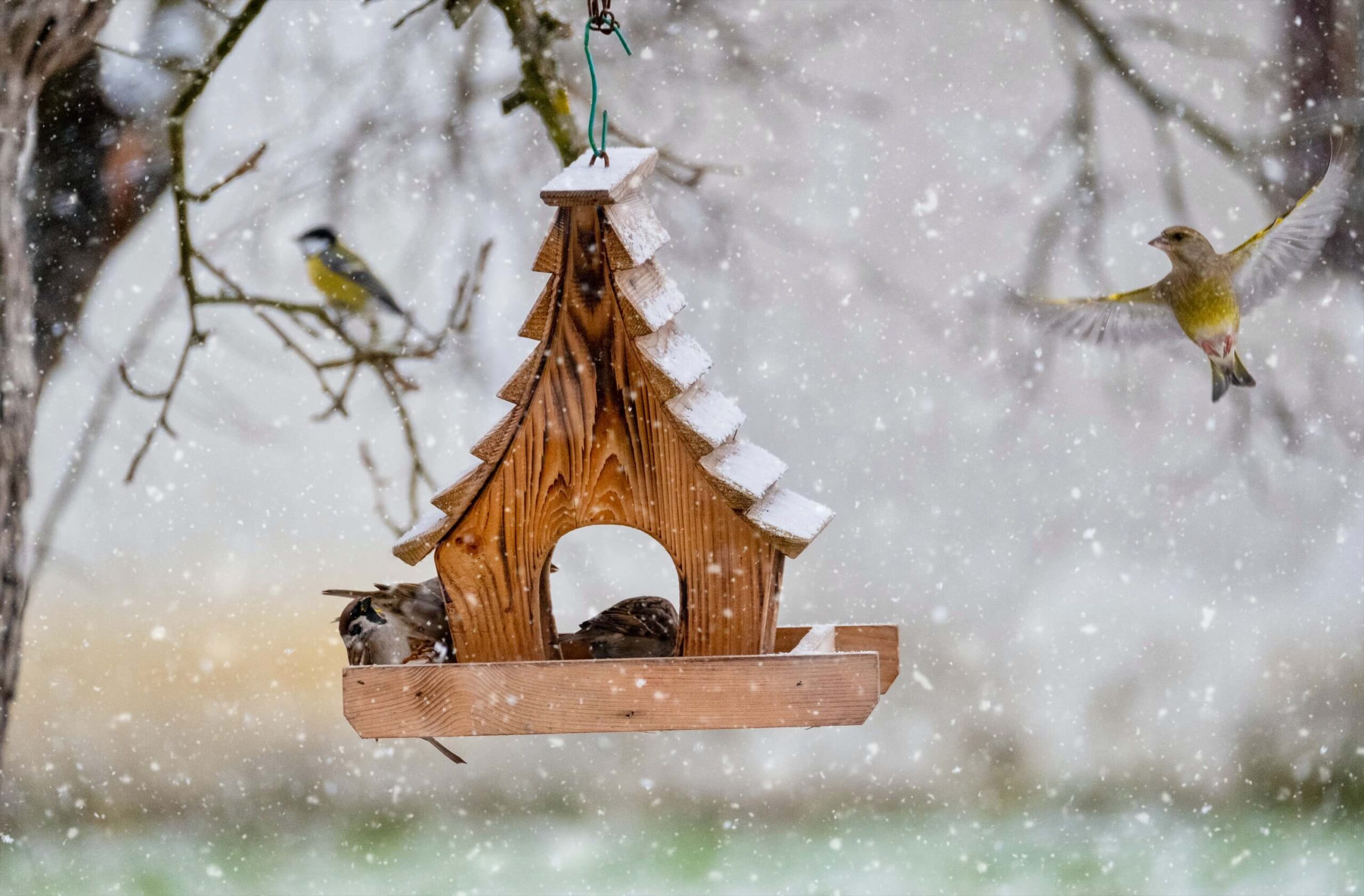
How to attract wild birds to your garden in the winter – Cuddles …
Decorative and Ambient Enhancements
- Incorporate Outdoor Lighting: String fairy lights or solar lanterns along paths, trees, or fences to illuminate your winter garden at dusk. Choose weatherproof options for safety. This creates a magical, inviting atmosphere for evening strolls.
- Add Statuary and Garden Art: Place frost-resistant sculptures, birdbaths, or obelisks as focal points amid snow-covered beds. Select materials like stone or metal for durability. They provide year-round interest and personalize your space.
- Paint Garden Structures Brightly: Refresh fences, benches, or arbors with bold, weather-resistant paints in reds or blues to contrast with white snow. This quick DIY adds vibrancy without planting. Coordinate colors with berry tones for cohesion.
- Design with Containers for Flexibility: Fill pots with evergreens, berries, or winter pansies, grouping them on patios for easy rearrangement. Use insulated containers to prevent root freeze. Elevate for drainage and visual height.
- Create a Winter Container Garden: Layer branches, pinecones, and hardy plants in large urns for festive displays near entrances. Refresh with seasonal accents like ribbons. This portable idea suits small spaces beautifully.
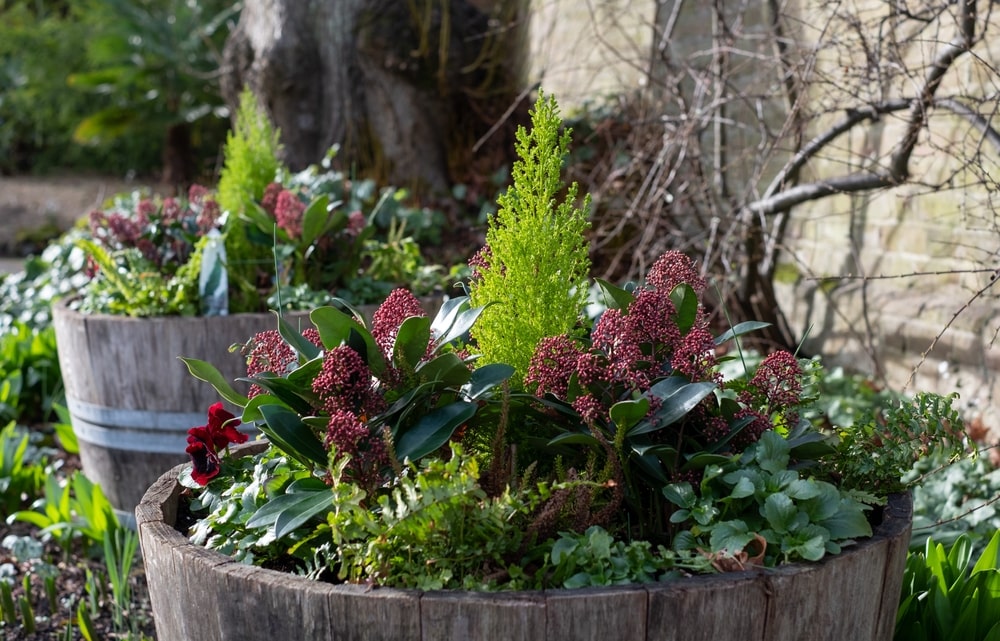
How to Care for Your Winter Container Garden
Pruning and Maintenance for Healthier Growth
- Prune Apple Trees in Dormancy: Shape fruit trees by removing dead or crossing branches during winter to promote airflow and fruiting. Use clean tools to avoid disease. This sets up a bountiful harvest come spring.
- Trim Japanese Maples: Prune for structure while leaves are off, minimizing sap loss and revealing the tree’s elegant form. Focus on thinning for light penetration. Ideal for maintaining ornamental appeal.
- Cut Back Butterfly Bushes: Reduce by one-third or to ground level in winter to encourage vigorous new growth and blooms. This rejuvenates overgrown plants effectively.
- Prune Rose of Sharon: Thin oldest stems during dormancy to stimulate fresh branches without affecting flowers. Angle cuts properly for healthy regrowth.
- Maintain Hydrangeas: For panicle and smooth types, prune back in winter as they flower on new wood. This keeps shrubs compact and floriferous.
Light Up Winter Garden 2025 – December 5 | Winter Garden, FL
- Prune Wisteria Aggressively: Shorten shoots and remove dead wood in winter to control size and enhance flowering. Repeat after summer bloom for best results.
- Shape Holly Bushes: Heavy pruning in winter removes damaged parts and encourages density. Time it before new growth to avoid vulnerability.
- Rejuvenate Abelia: Improve circulation by cutting dead branches in winter, promoting fuller spring foliage without risking blooms.
Indoor and Planning Extensions
- Start Seeds Indoors Early: Begin cool-season crops like broccoli under grow lights for a head start on spring. Calculate timing based on your frost date.
- Grow Microgreens and Sprouts Inside: Cultivate quick greens on windowsills for winter nutrition, no garden space required. Rotate varieties for variety.
- Plan Your Next Garden Season: Review past successes, order seeds, and sketch layouts during winter downtime. This proactive step ensures a seamless transition.
- Overwinter Tender Plants Indoors: Bring herbs or citrus inside to sunny spots, protecting from cold. Monitor for pests and water sparingly.
- Force Bulbs for Indoor Blooms: Plant paperwhites or amaryllis in pots for fragrant winter flowers. Chill if needed for natural timing.

Winter landscaping ideas: 10 enchanting looks for the coldest …
- Sow Seeds Directly in Snow: Use jugs as mini greenhouses for cold stratification, mimicking nature for better germination.
- Incorporate a Greenhouse or Cold Frame: Extend growing with protected spaces for year-round veggies or flowers. Ventilate on mild days.
Specialized and Creative Touches
- Plant Ornamental Kales and Cabbages: Their colorful foliage intensifies with frost, perfect for borders or pots. Edible and decorative.
- Feature Witch Hazel for Fragrance: Spider-like blooms perfume the air in late winter. Plant in partial shade for best performance.
- Use Conifers for Fine Details: Dwarf pines or junipers add needle textures and shapes, resilient in pots or ground.
- Photograph Your Winter Garden: Capture frost-kissed scenes for inspiration, focusing on light and composition.
- Avoid Winter Wasteland by Layering: Surround deciduous plants with evergreens to fill visual gaps, maintaining lushness.
- Combine Elements for a Dynamic Scene: Mix bark, berries, grasses, and lights for multifaceted interest, ensuring bird-friendly features.
In conclusion, these 41 ideas prove that winter gardens can be as enchanting as any other season. By blending structure, color, and wildlife support, you’ll create a resilient oasis that thrives through the cold. Experiment, adapt to your climate, and watch your space become a year-round delight—perfect for pinning and sharing!